Get Full Government Meeting Transcripts, Videos, & Alerts Forever!
Get email alerts on the Rent Increase Backlog topic
No spam. Unsubscribe anytime.
Portland Rent Board schedules April 9 special meeting to address backlog of rent-increase applications
Summary
Portland Rent Board members agreed to hold a special session on April 9 to begin resolving a backlog of 29 rent‑increase applications filed under older rules; the board will first address five applications that were previously tabled and asked applicants and staff to supply updated rent rolls and groupings by owner where appropriate.
The Portland Rent Board voted unanimously on Feb. 26 to hold a special meeting on April 9 to start processing a backlog of rent‑increase applications filed under the board’s prior rules.
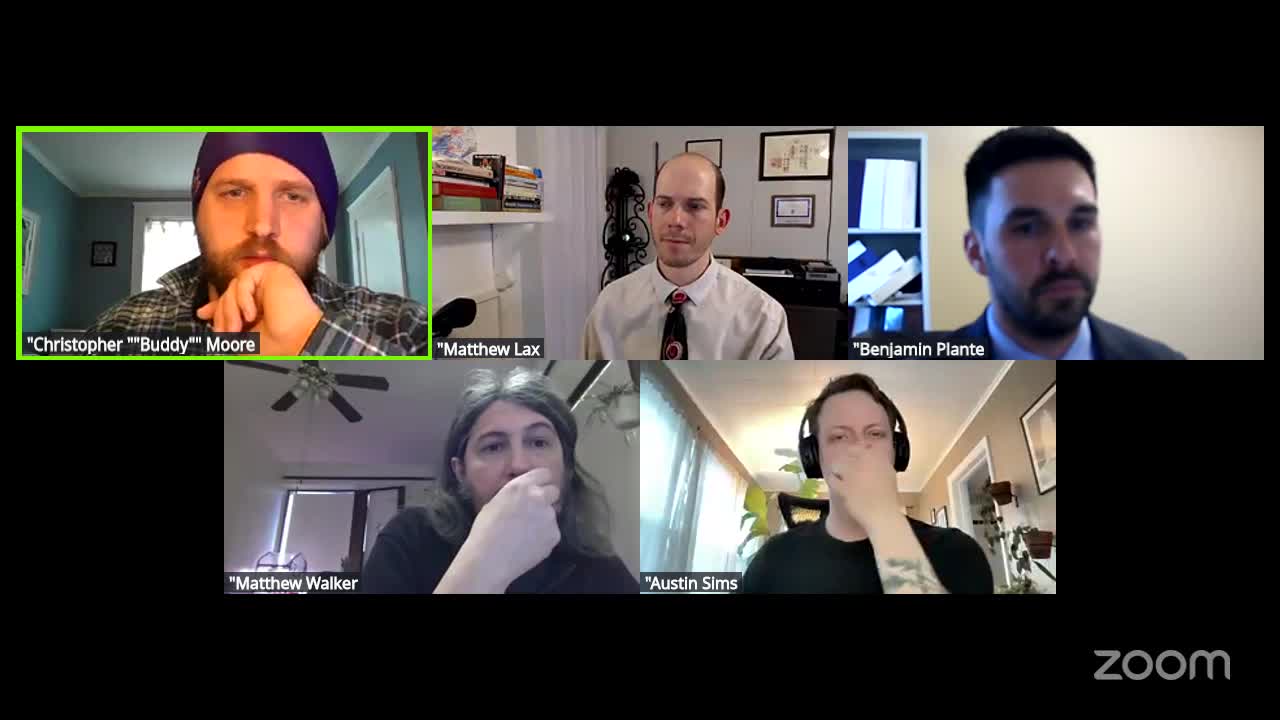
The board’s chair, Buddy Moore, said the backlog includes applications “under the old rules” and that some have been noticed and tabled while others have not yet been noticed. He told members the board had discussed “potential ways to sort of work through this backlog in an efficient way,” including consolidated hearings for applications that are similar.
Why it matters: The board has 29 applications in the backlog, five of which have already been on an agenda and were identified as the first group to address. The special meeting is intended to move those five applications forward while staff and applicants prepare materials for subsequent batches.
During the discussion, board member Matt Walker raised a practical concern about bundling applications, noting that many applications are property‑specific but that some share costs across multiple buildings owned by the same company. Walker said, “In some cases, I think a lot of these are…have a significant amount of shared costs where they should be treated together.”
An attendee representing applicants, Mr. Bergeron, told the board it could not “legally bundle these because… they are separate companies with different ownership structures,” but he said grouping applications that share the same legal owner would be feasible. Bergeron also said staff could supply suggested groupings and updated rent rolls quickly: “they're all in a system. So we could provide updated, you know, rent rolls with contact information within a couple of days.”
Board members debated whether to handle the backlog in regular meetings or in special sessions. Several members preferred a focused special meeting so the board could concentrate on the unusual workload; the board ultimately moved and approved a special meeting on April 9 to take up the five currently tabled Port property applications first. The board also discussed processing the remaining backlog in chunks (for example, groups of 8–10 applications) to make the review workload manageable.
What the board decided and next steps: The board asked staff to accept groupings from applicants where legal ownership permits, directed staff to supply updated rent rolls and contact information to support noticing, and scheduled the special meeting for April 9. Members asked that applicants provide requested materials with enough lead time to allow board members to review them; Bergeron said he could supply groupings and contact data promptly and that staff (Dylan) would coordinate timelines.
Board members also noted review workload: “At minimum, I spend about 8 hours per application,” Walker said, arguing that board members would need time to prepare if asked to review multiple applications at once.
Ending: The board approved the April 9 special meeting unanimously and asked staff to circulate a schedule and the applicant groupings so the board could prepare. The chair said staff would check the March meeting to confirm progress and that the board would use special meetings as needed to work through remaining backlog items.