Get Full Government Meeting Transcripts, Videos, & Alerts Forever!
Get email alerts on the Courts Judiciary topic
No spam. Unsubscribe anytime.
Judges and justice of the peace urge committee to let counties include county seats in justice court districts
Summary
Witnesses told the Senate Judiciary Committee that Senate Bill 913 would enfranchise residents who are currently barred from voting for or serving on justice-court juries because of a longstanding geographic restriction; supporters called the restriction outdated and potentially unconstitutional.
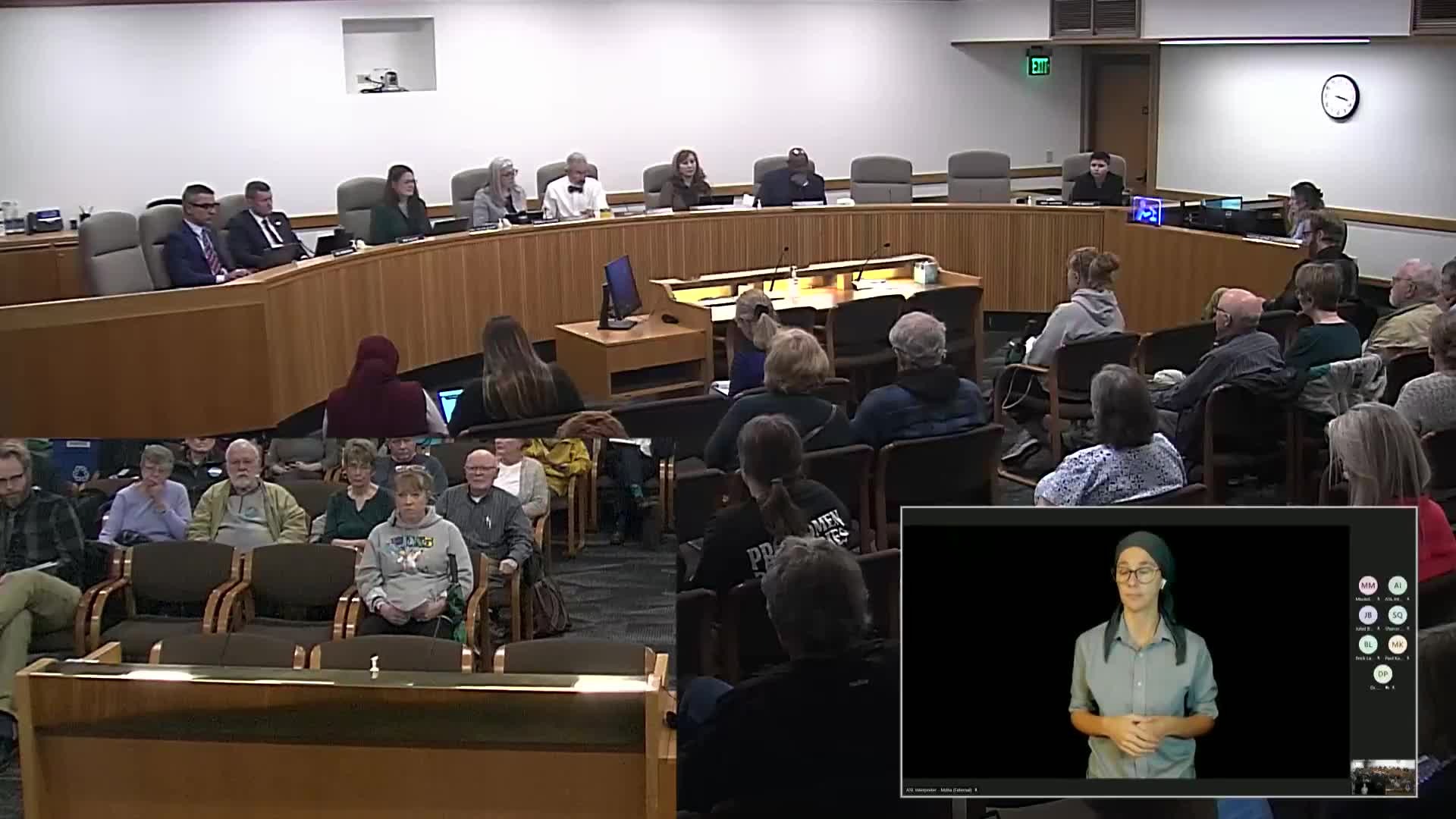
Senate Bill 913 would eliminate certain geographic limitations on justice court districts and allow counties to include the county seat or cities where circuit courts operate when establishing justice of the peace districts, witnesses told the Senate Committee on Judiciary on March 3.
Justin Kidd, the elected justice of the peace for Marion County, said the current statute bars roughly 140,000 Salem residents from voting for the justice of the peace or serving on justice-court juries despite being subject to the court's jurisdiction for many violations and civil matters. Kidd told the committee that the mismatch between who is subject to justice-court jurisdiction and who can vote in justice-court matters raises constitutional concerns and practical access problems.
Julia Britton, presiding judge of Beaverton Municipal Court and president of the Oregon Judges Association, testified in support on behalf of judges statewide. Britton said the current law disenfranchises large population groups in multiple counties (she cited Washington, Deschutes, Lane and Marion counties as examples) and that the legislature did not intend to exclude such large swaths of residents when the statute was written.
Judge Kidd also described operational consequences: justice courts are limited in where they may use county facilities, which can reduce access to accessible, transit‑served locations and create problems if a court building is rendered unusable by emergency. He said the bill does not change the court's jurisdictional authority; it would only allow county commissioners to include residents of the county seat in Justice Court electoral and jury processes.
Committee members asked questions about overlapping jurisdictions and the statute's history. Several senators described the provision as a historical artifact and expressed support for correcting the mismatch between who is governed by justice court jurisdiction and who can participate in selection and jury service. The public hearing was closed with no committee vote that day.
The witnesses requested that the legislature adopt the bill to enfranchise residents who are subject to justice-court jurisdiction but currently barred from voting or serving on juries in those courts.