Get Full Government Meeting Transcripts, Videos, & Alerts Forever!
Get email alerts on the Health End Of Life topic
No spam. Unsubscribe anytime.
Senate committee hears sharply divided testimony on bill to update OregonDeath With Dignity law
Summary
Supporters told the Senate Judiciary Committee that Senate Bill 1003 would modernize the Death With Dignity Act and improve access in rural areas; opponents said it would weaken safeguards by shortening waiting periods and allowing nonphysicians to authorize lethal prescriptions.
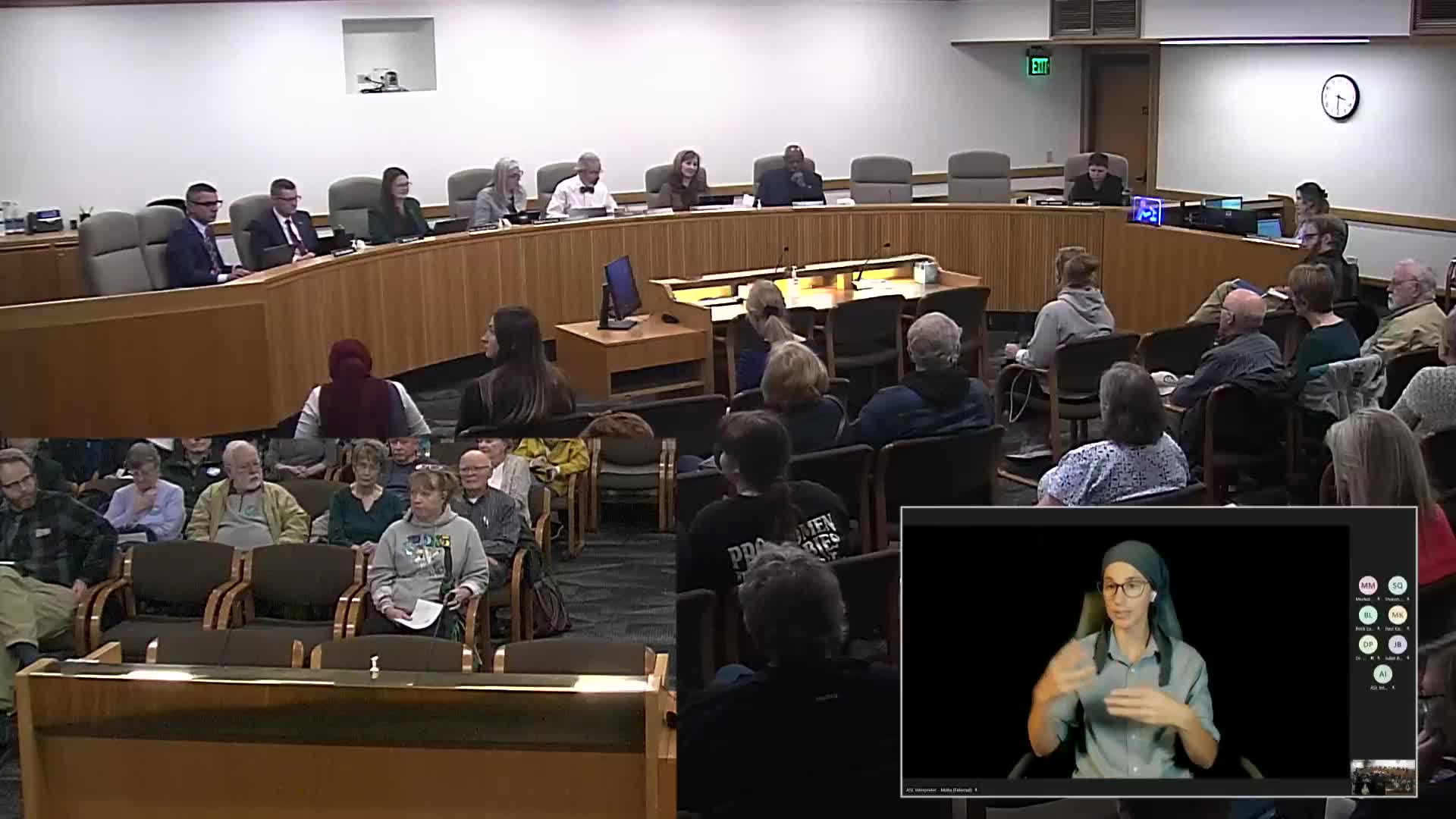
Senate Bill 1003 would update the Oregon Death With Dignity Act to allow electronic prescriptions and reporting, reduce waiting periods and permit nurse practitioners and physician assistants to participate, proponents told the Senate Committee on Judiciary on March 3. Testimony at the public hearing was sharply split, with physicians, disability advocates and faith groups warning the changes would weaken patient protections.
Supporters said the bill addresses practical barriers and geographic disparities in access to the program. Dr. Kaplan, a physician who said he works with volunteer clinicians affiliated with End of Life Choices Oregon, told the committee the bill would update paper-based reporting and allow electronic transmission of prescriptions that today must be hand-delivered or mailed, and would permit qualified nonphysician clinicians to serve patients in rural areas who otherwise lack providers.
Opponents said the bill reduces essential safeguards. Sister Veronica Schueller of the Oregon Catholic Conference said allowing clinicians with "less medical training and experience" to prescribe life-ending medication posed risks to patients, and that shortening the waiting period from 15 days to 48 hours could hasten death without ensuring adequate palliative care or mental-health screening. Multiple medical witnesses said the bill permits a single nonphysician opinion in some circumstances and does not require mandatory psychiatric or psychological evaluation.
Several witnesses described concrete safety concerns. Dr. Sharon Quick, president of Physicians for Compassionate Care Education Foundation, told the committee the bill would allow "only one nonphysician without any stated expertise" to make difficult assessments about capacity, coercion and imminent death, and that patients near death often lose the capacity to provide informed consent. Dr. Angela Plowhead, a clinical psychologist with postdoctoral palliative-care training, said removing in-person licensing requirements and permitting remote out-of-state assessments would make it harder to detect coercion and compromised capacity.
Supporters emphasized access and rural shortages. Laurel Hines, a retired clinical social worker, said many patients in advanced stages can lose the ability to self-administer within the 15-day period and described family experience in which a loved one could not have used the program under current timing. Dr. Kaplan told the committee that in large parts of rural Oregon nurse practitioners and physician assistants deliver the majority of primary care and that excluding them leaves patients without meaningful access.
Committee members asked technical questions about scope of practice, licensing and how the bill would treat hospice assessments. Senator McLean asked whether nurse practitioners and physician assistants are licensed to diagnose terminal illness; witnesses said they frequently serve as primary clinicians in rural areas and that gaps in training and hospice certification raise substantive issues. Several speakers urged the legislature to require clearer training standards, mandatory mental-health evaluations when indicated and more robust safeguards for hospice patients.
The chair closed the public hearing and left the record open for two days for additional written testimony.
Votes are not part of the hearing record; the committee did not take a work-session vote on SB 1003 during this meeting.
The hearing record contains extended technical and personal testimony from both sides, and the committee will receive additional written submissions through Wednesday at 3 p.m.