Get Full Government Meeting Transcripts, Videos, & Alerts Forever!
Get email alerts on the Hb3012 Student Voting topic
No spam. Unsubscribe anytime.
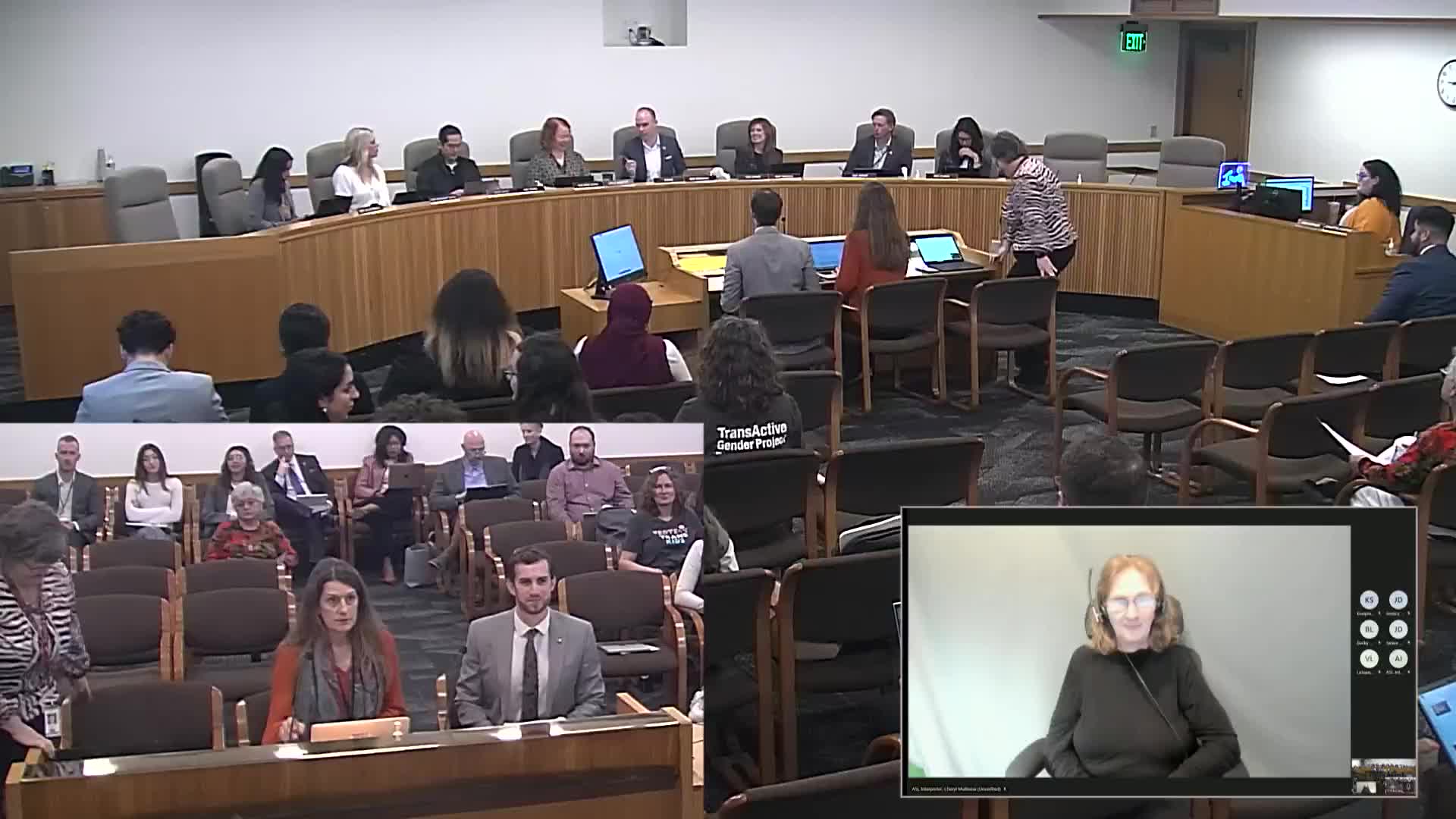
House Rules holds public hearing on bill to allow 16‑ and 17‑year‑olds to vote in school board elections
Summary
The House Committee on Rules took public testimony March 3 on House Bill 30 12, which would permit registered 16‑ and 17‑year‑olds to vote in school district elections; the committee heard proponents citing civic engagement and opponents citing maturity and fiscal concerns.
The House Committee on Rules took public testimony March 3 on House Bill 30 12, the Student Voice and Democracy Act, which would allow registered 16‑ and 17‑year‑olds to vote in school district elections. Sponsor Rep. Courtney Neuron and dozens of students, educators and advocacy groups spoke for and against the proposal.
Melissa, the committee staffer, summarized the bill for the record: “House Bill 30 12 permits an individual who are 16 or 17 years of age and is registered to vote to cast a ballot in school district elections that occur on or after 01/01/2027. There's a -1 amendment that changes the effective date to 01/01/2029.”
Proponents argued the change would strengthen civic engagement and give students a voice where policy decisions directly affect them. Representative Courtney Neuron, sponsor of the bill, said the proposal “will allow 16 and 17 year olds to vote in their local school board elections, giving students a voice in their education and strengthening our democracy.” Student witnesses and organizations such as NextUp, Vote 16 USA, the Oregon Education Association and Common Cause testified that students are politically engaged, often pay taxes or work, and deserve representation on matters that shape their schooling. One student witness said, “Students are the primary constituents of our school boards. We spend 7 hours every day at school, yet these critical needs persist.”
Those opposing the bill raised concerns about cognitive maturity, parental influence, citizenship verification and fiscal impacts. Representative Dwayne Yunker argued teens lack the “necessary understanding of the political landscape” and said lowering the voting age would inappropriately expand political influence. Several individual opponents cited neuroscience research and low turnout among young adults as reasons to keep the voting age at 18. Janice Dysinger highlighted a citizenship concern, noting the bill’s text did not explicitly address verification in her view.
The Oregon School Boards Association (OSBA) testified as neutral and asked the committee to examine fiscal impacts. OSBA said county clerks told them school districts currently cover ballot costs and that adding a separate ballot type for 16‑ and 17‑year‑olds could increase printing, programming, postage and staffing costs; OSBA said it would seek more data from business officials before taking a position. Kevin Sullivan of the Oregon Education Association noted there are roughly 50,000 16‑ and 17‑year‑olds already preregistered, as stated in testimony, and urged expanding student voice; League of Women Voters, Common Cause and other civic groups said they support HB 3012.
Testimony noted examples and precedent. Speakers cited jurisdictions in the U.S. and overseas that allow 16‑ and 17‑year‑old participation in certain local or primary elections; panelists also pointed to recent state curriculum changes requiring civics education as context for the proposal.
The hearing included roughly two dozen registered testifiers; the committee limited in‑person speakers to brief remarks so many left full remarks on the legislative information system. No committee vote occurred during the public hearing; the chair closed the hearing and adjourned the meeting after taking testimony from supporters, opponents and neutral witnesses.