Get Full Government Meeting Transcripts, Videos, & Alerts Forever!
Get email alerts on the Thc Zero Tolerance Under21 topic
No spam. Unsubscribe anytime.
Panel advances bill to set zero THC tolerance for drivers under 21 amid debate over tests and medical cards
Summary
Sen. Willis Curti's Senate Bill 508 would make any measurable THC in a driver under 21 a per se violation; law enforcement and county attorneys supported the bill citing rising THC involvement in crashes, while opponents warned testing can detect non-impairing metabolites and could criminalize medical users.
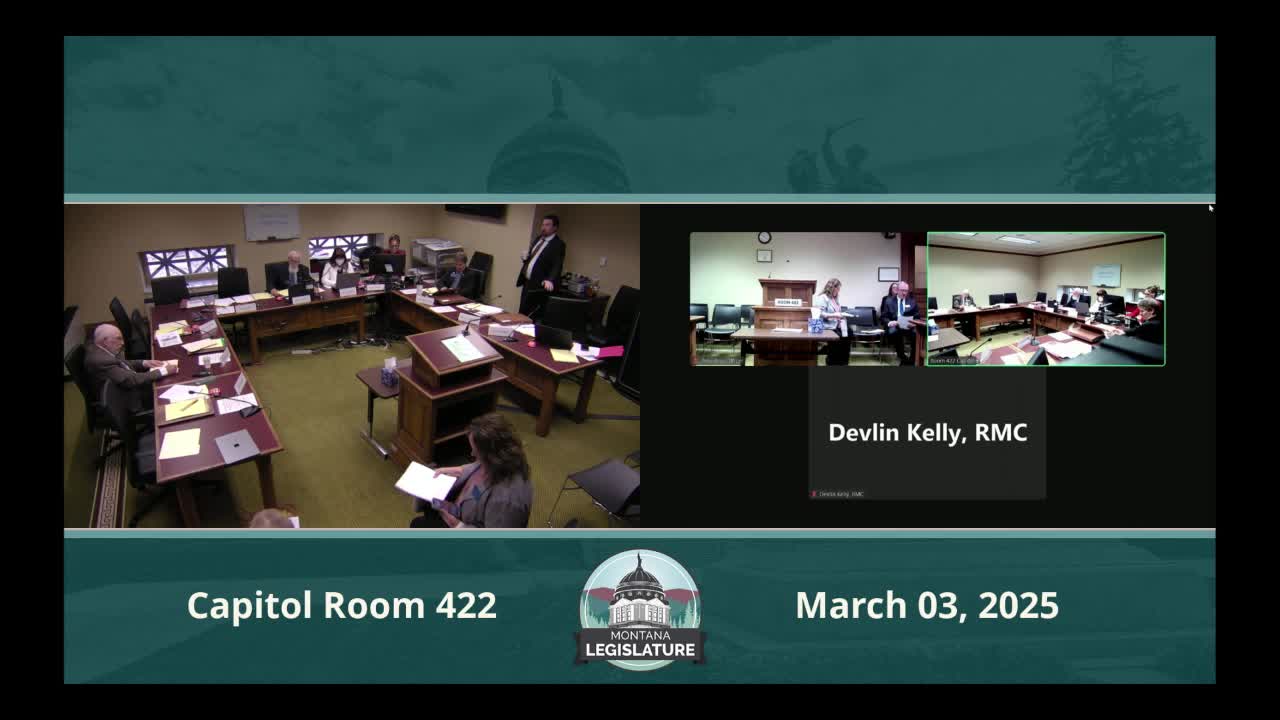
Sen. Willis Curti, R-Missoula, introduced Senate Bill 508, which would set the allowable level of THC in the blood of drivers under 21 at zero. "So basically it puts the limit for having THC in your blood for somebody who's under 21 years of age at none," Curti said when he opened the hearing.
Proponents included Colonel Kurt Sager of the Montana Highway Patrol, who said the patrol supports the bill and presented recent data showing increases in THC involvement in impaired-driving metrics from 2020 to 2023: a 6.23 percent rise in DUIs involving THC, a 16.54 percent increase in crashes with THC involved, a 51.16 percent increase in fatal crashes involving THC, and a 100 percent increase in THC-only fatalities. "The alarming rate that we're seeing THC increase in driving needs to be addressed," he said, and urged the committee to pass the bill.
Nanette Gilbertson, representing both the Montana Sheriffs and Peace Officers Association and the Montana County Attorneys Association, testified in support and described the bill as a tool to shape young drivers' behavior: "We want to create a culture in our young drivers that driving high is driving under the influence and there's a 0 tolerance policy," she said.
Don Cape, representing the Coalition for Safety and Justice, opposed the bill and warned of scientific and fairness problems with a strict zero-tolerance standard and the bill's language on "blood or other bodily substance." He said THC metabolites can persist long after impairment ends and that the bill "creates some issues" for medical-card holders who may legally use cannabis but not be impaired. "This is fraught; it will become a nightmare of appeals," Cape said.
Colonel Sager and other witnesses clarified technical points at the committee's request. Sager said the bill focuses on psychoactive delta-9 THC and that current testing options covered by statute include blood and oral fluid; he explained the detection window for psychoactive THC is short and not the same as the longer-lasting carboxy metabolites opponents referenced.
After debate, a committee member moved a do-pass recommendation for SB 508. The motion passed by unanimous voice vote and the committee advanced the bill to the next stage.
Ending: Sponsors and law-enforcement proponents argued the bill would prevent young drivers from developing risky habits and would give prosecutors and police a clearer statutory standard; opponents asked lawmakers to reconsider the types of biological samples covered and the bill's impact on medical cannabis patients.