Get Full Government Meeting Transcripts, Videos, & Alerts Forever!
Get email alerts on the Education Governance topic
No spam. Unsubscribe anytime.
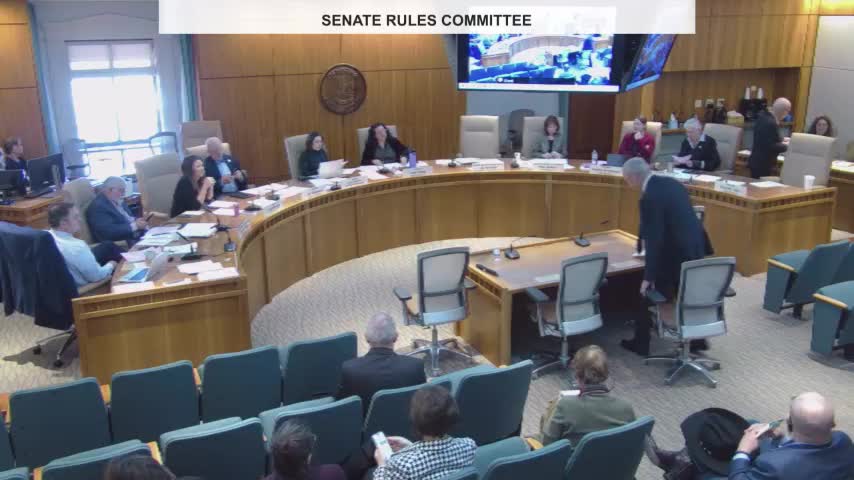
Senate panel advances SJR 15 to restore a state board of education after extended debate on governance and accountability
Summary
A Senate committee gave SJR 15 a due pass after extended testimony and debate over whether restoring a state board of education would improve student outcomes, preserve collaboration across agencies, and depoliticize education governance.
A Senate Rules Subcommittee gave SJR 15 a due pass after extended testimony and debate over a proposal to restore a state board of education in New Mexico.
The resolution would create a nine-member board appointed by stakeholders (legislative leaders, the governor and education stakeholder organizations) rather than return to the prior 15-member partially elected model or a fully elected board. The sponsor said the proposed board would be composed of education stakeholders so that "the board would be run by people who are deeply invested and care about education" and to reduce what the sponsor called "culture wars" in school board elections.
Opponents, including representatives of state education agencies, charter-school advocates and teacher organizations, warned that the change could complicate coordination among state agencies and slow work that requires urgent action. Gregory Frostad, assistant secretary (title given in testimony), told the committee that changing governance "would take a lot of time and resources" and that those resources would be better spent on direct student outcomes. Hope Morales of Teach Plus New Mexico said educators had concerns about an appointed board and that more details would be needed about appointment mechanisms and the board's relationship to existing bodies.
Public testimony also included charter-school groups and education advocates who urged caution and recommended interim study, and proponents argued the measure would depoliticize governance and create a stakeholder-driven board. Senators on the committee expressed a range of views: some said persistent poor education metrics demand systemic change, while others warned against losing clear lines of accountability.
Procedure and votes
Committee members first considered a motion to table the resolution; that motion failed on a roll-call vote. A later roll-call vote to give SJR 15 a due pass succeeded; the clerk announced the committee recorded five votes in favor and three against on the due-pass motion.
What the committee recorded
- Measure: SJR 15 (proposed constitutional amendment to create a nine-member state board of education appointed by stakeholder groups) - Outcome: Due pass (committee roll-call: 5 in favor, 3 opposed)
The resolution will move forward for further constitutional amendment consideration if it clears additional steps in the legislative process.