Get Full Government Meeting Transcripts, Videos, & Alerts Forever!
Get email alerts on the Education.school Safety Alerts topic
No spam. Unsubscribe anytime.
Advocates push 'Alyssa's Law' to fund wearable panic alarms in Oregon schools
Summary
Supporters, including the mother of Parkland victim Alyssa Alhadeff, urged passage of HB 3,083 to allow schools to adopt wearable panic devices that connect to 911; sponsors described the proposal as a funded, optional program and said implementation details and per-school allotments would be addressed by amendment.
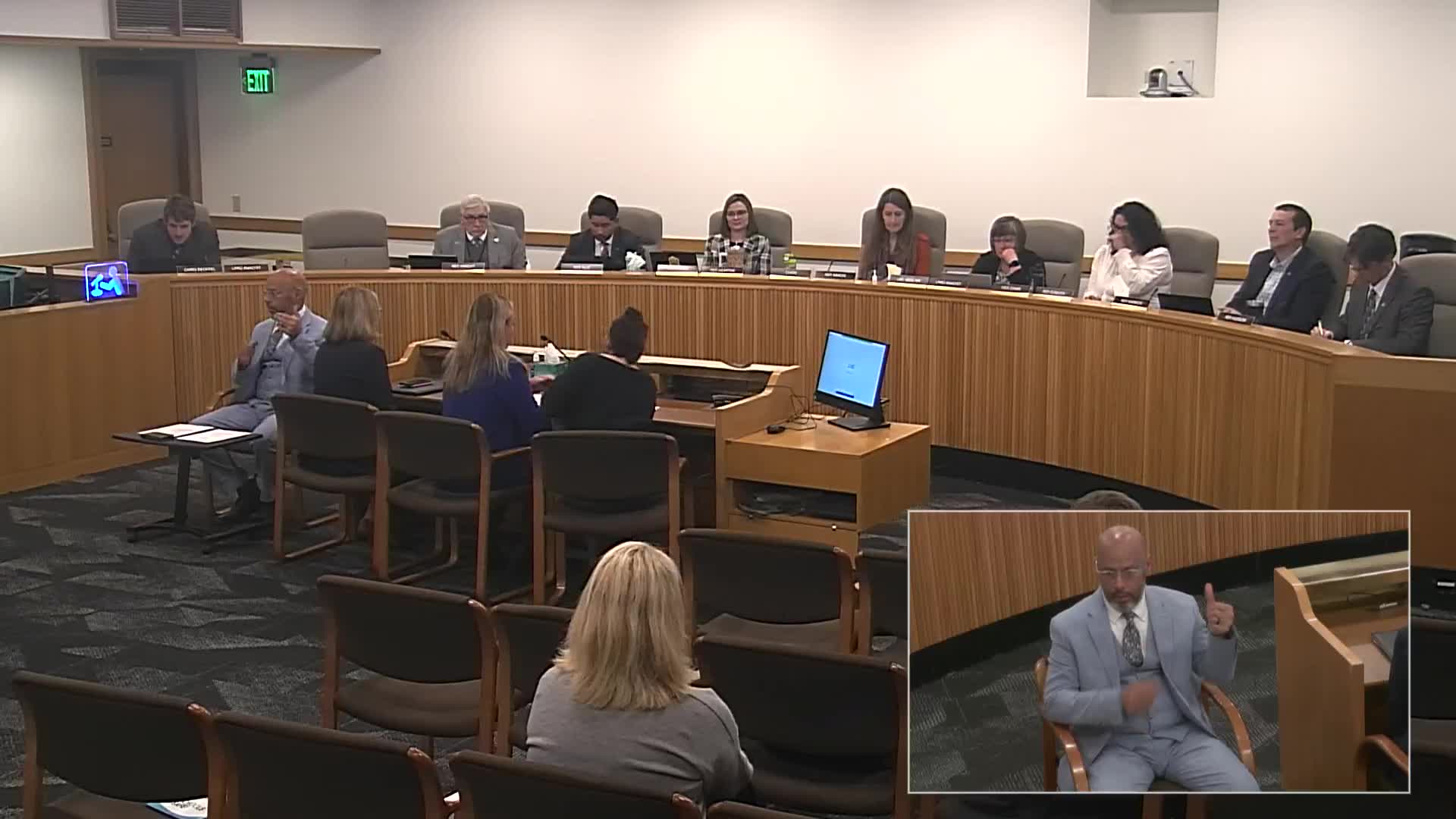
House Bill 3,083, titled "Alyssa's Law," drew emotional testimony on March 3, 2025, as proponents urged the House Committee on Education to allow Oregon schools to adopt wearable panic-alert devices that directly connect to 9-1-1 and speed coordinated emergency response.
Senator (name withheld in transcript) and Representative Teresa Levy (Representative Levy is referenced as sponsor) described HB 3,083 as a security measure to strengthen emergency preparedness that builds on existing drills and safety planning. Representative Levy said the bill is a "funded nonmandate," and sponsors indicated they placed funds in a budget note last session and expect an amendment to specify that devices must provide geolocation and direct 9-1-1 connectivity. Levy said the committee would pursue a per-school allotment increase to about $4,000 to cover typical vendor pricing.
Lori Alhadeff, founder of Make Our Schools Safe and mother of Alyssa Alhadeff, one of the 17 victims in the Marjory Stoneman Douglas High School attack, testified about response delays in that shooting and urged adoption of panic-alert devices. "Time equals life," Alhadeff said, arguing wearable panic alarms can shorten the time for first responders to reach students and staff during active threats, medical events and other emergencies. She cited examples from other states in which alert systems reportedly enabled faster medical response or campuswide lockdowns.
Julia Salimoni, a Marjory Stoneman Douglas survivor now living in Oregon, also urged passage and said adopting Alyssa's Law would reaffirm Oregon's commitment to safety.
Technical testimony from a vendor representative described modern emergency-alert systems that integrate mobile apps, two-way communications with 9-1-1, and campus notification tools. Representatives and witnesses emphasized the technology should augment, not replace, layered safety approaches such as drills and training.
Administrators and advocates said the bill is voluntary for districts and that funding for purchases would come from existing school safety allocations under the Student Success Act and related budget items; sponsors noted they will address per-school allotments through an amendment. Committee members asked about scope, cost ranges (witnesses cited vendor ranges of roughly $2,000 to $8,000 per school), how bans on student cellphones could affect communications strategies, and how geolocation and 9-1-1 integration would be verified. The hearing closed without a committee vote recorded on HB 3,083.