Get Full Government Meeting Transcripts, Videos, & Alerts Forever!
Subcommittee Hears Budget Request for Oregon Long Term Care Ombudsman; Governor’s Proposal Makes Five Public‑guardian Positions Permanent
Summary
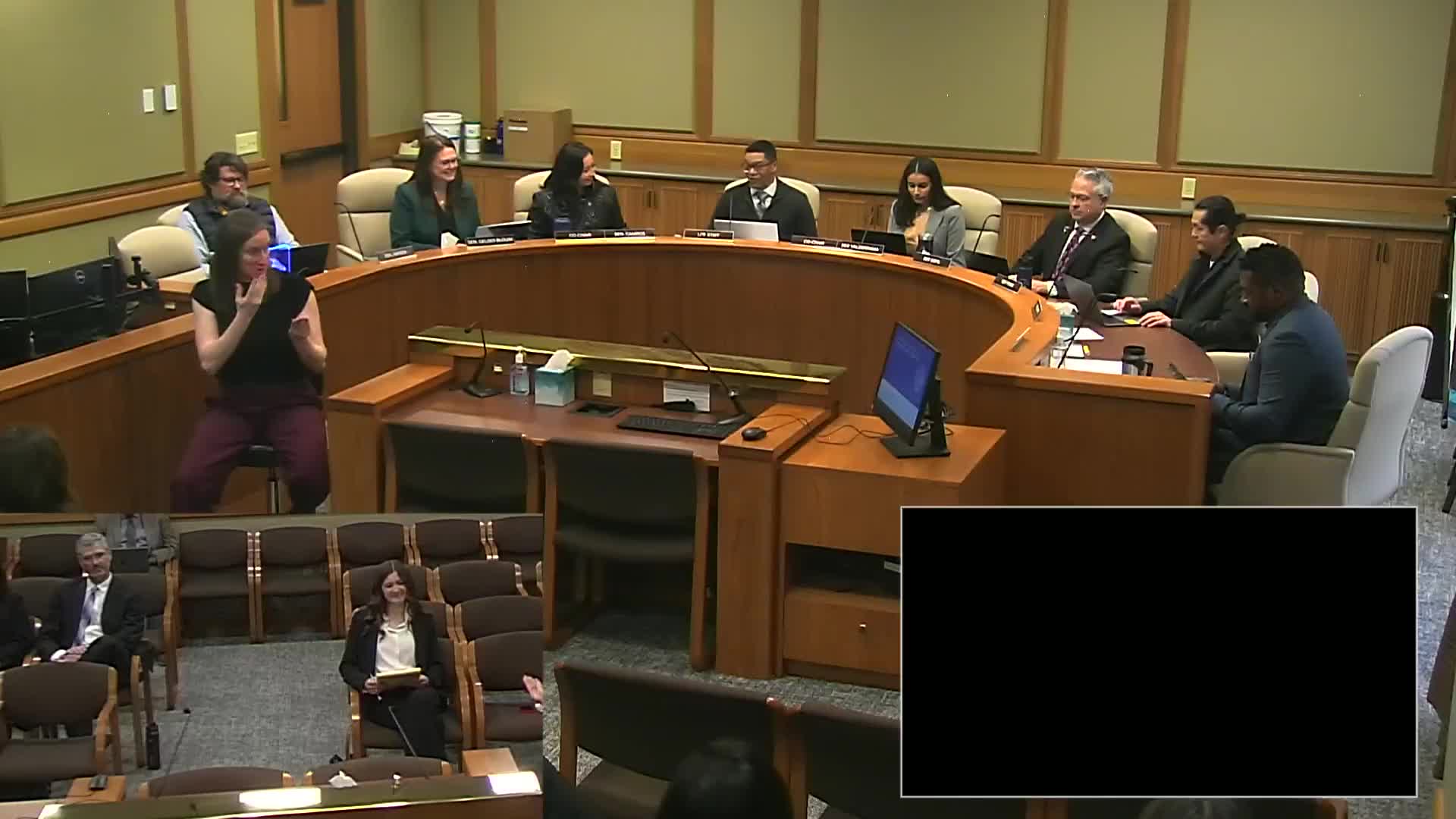
The joint subcommittee on Human Services convened a public hearing March 3 on House Bill 5020, the primary budget bill for the Oregon Long Term Care Ombudsman (LTCO), during which agency leaders described a $17.55 million governor’s recommended budget for the 2025–27 biennium and urged continued state support to maintain services for residents of long‑term care and developmental‑disability residential settings.
The joint subcommittee on Human Services convened a public hearing March 3 on House Bill 5020, the primary budget bill for the Oregon Long Term Care Ombudsman (LTCO), during which agency leaders described a $17,550,000 governor’s recommended budget for the 2025–27 biennium and urged continued state support to maintain services for residents of long‑term care and developmental‑disability residential settings.
Kendra Beck, a Department of Administrative Services chief financial office analyst, told the committee the LTCO budget proposal is “the 25–27 governor's recommended budget for the long term care ombudsman,” and she summarized the agency’s revenue mix: about 92% general fund and roughly 8% other funds, primarily Older Americans Act and Senior Medicare Patrol grant pass‑throughs from the Oregon Department of Human Services.
The LTCO’s mission is to “protect individual rights, promote independence, and ensure quality of life for Oregonians living in long term care and residential facilities,” Fred Steele, the agency director and state long term care ombudsman, told the subcommittee. Steele and his staff outlined three distinct agency programs: the Long Term Care Ombudsman program (which covers nursing homes, assisted living and similar APD‑licensed settings), the Residential Facility Ombudsman program (which serves homes licensed by the Office of Developmental Disability Services and some OHA mental‑health homes), and the Oregon Public Guardian (OPG) program.
Why it matters: LTCO staff said the programs serve roughly 55,000 Oregonians across the three program areas and rely heavily on state general fund appropriations. Agency witness Dr. Nasreen…
Already have an account? Log in
Subscribe to keep reading
Unlock the rest of this article — and every article on Citizen Portal.
- Unlimited articles
- AI-powered breakdowns of topics, speakers, decisions, and budgets
- Instant alerts when your location has a new meeting
- Follow topics and more locations
- 1,000 AI Insights / month, plus AI Chat