Get Full Government Meeting Transcripts, Videos, & Alerts Forever!
Get email alerts on the Education Student Teacher Stipends topic
No spam. Unsubscribe anytime.
Senate committee hears bill to pilot stipends for student teachers
Summary
A Senate Education Committee hearing on March 3, 2025 reviewed SB 717, a bill to create a stipend pilot for student teachers to ease financial barriers and encourage recruitment in high-need fields; testimony came from student teachers, the Oregon Education Association and Pacific University officials. No final action was taken.
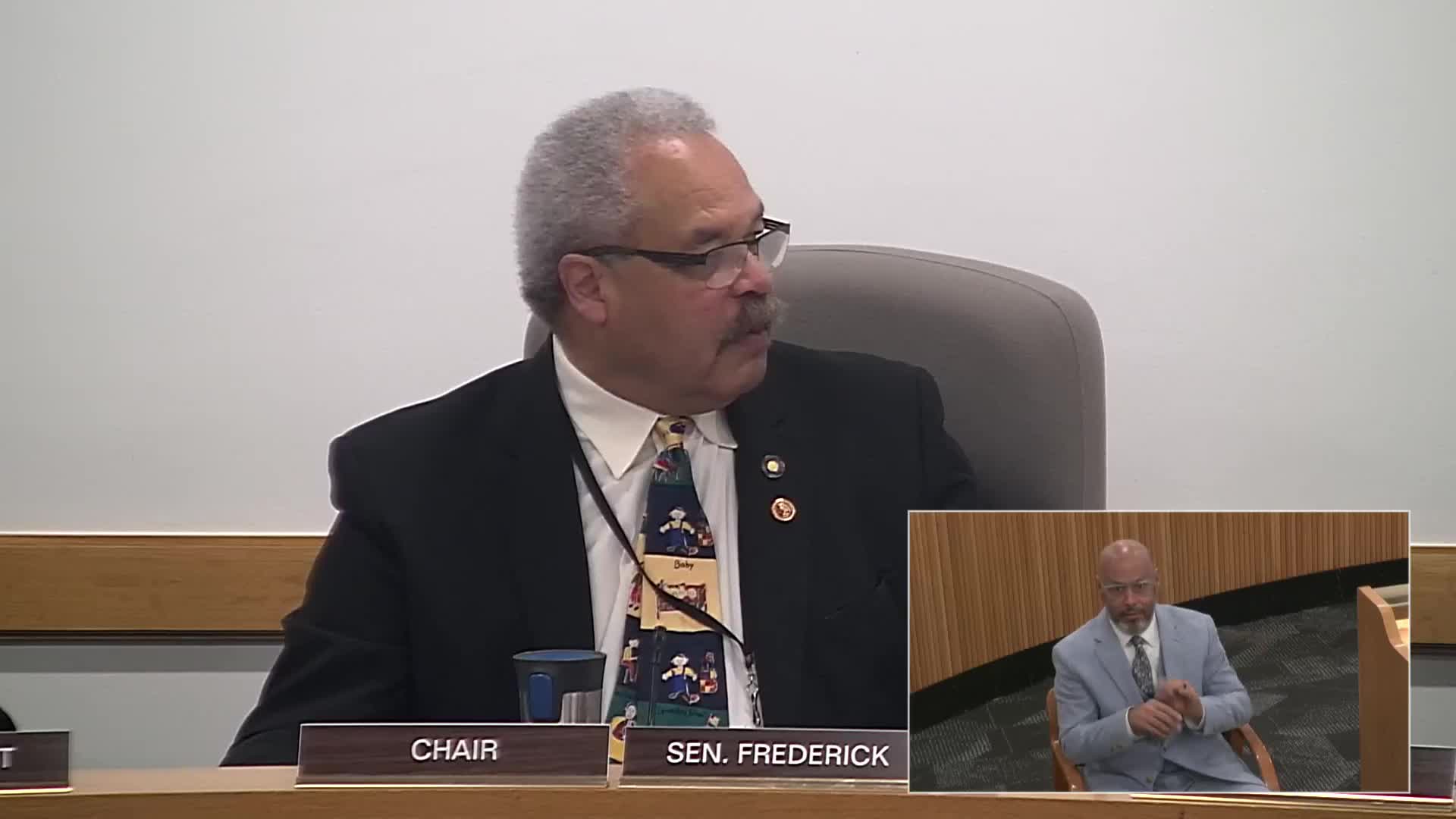
Senate Committee on Education Chair Lou Frederick on March 3, 2025 opened a public hearing on Senate Bill 717, which would have the Higher Education Coordinating Commission (HECC) establish a pilot stipend program to pay student teachers and compensating mentor teachers during supervised clinical placements.
The pilot, as described at the hearing, would prioritize student teachers from underrepresented backgrounds, those placed in rural school districts and those in special education and STEM fields. Testimony to the committee said the pilot would apply to the 2026–27 school year and that the provision is written to repeal after one year.
The measure’s sponsor, state Senator Chris Gorsek, presented the bill to the committee. "Paid student teaching not only alleviates the financial strain new teachers face, it also means those teachers can fully engage with their new roles," Senator Gorsek said, asking the panel to support SB 717. Gorsek also noted a technical amendment would permit a nonpublic institution, Pacific University, to host the initial pilot.
Student testimony relayed the financial pressures that unpaid student teaching creates. Maddie Wilson, identified as president of the Oregon Education Association Aspiring Educator Council and a student at Western Oregon University, told the committee that a full year without income creates "a significant financial hardship" and prevents many aspiring teachers from focusing on their practicum.
Cynthia Branger Muñoz, representing the Oregon Education Association, urged passage and said the bill — referred to during testimony as "Gigi's bill" after a student organizer — would allow the state to test stipends without immediately expanding the program statewide. "Underrepresented teachers that are placed in classrooms without these supervised clinical experiences leave at higher rates," Branger Muñoz told the committee.
Pacific University and higher-education officials described workforce impacts and precedent in other states. Andy Saltz, interim dean of the College of Education at Pacific University, said research shows districts face shortages in special education, bilingual education and math and noted that other states, including Kentucky, Michigan, Colorado and Maryland, pay student teachers through similar programs.
Several student speakers described how unpaid placements forced them to work multiple jobs, take loans, rely on family support, or use food pantries. Gigi Whistler, a Pacific University student and aspiring special educator, testified that the combination of tuition debt and unpaid practicum work creates equity barriers for students of color and those from immigrant families.
The committee closed the public hearing on SB 717 without taking a final vote. Chair Frederick thanked witnesses and moved to the next item on the agenda.
The record did not show any committee vote or final disposition for SB 717 during the March 3 hearing.