Get Full Government Meeting Transcripts, Videos, & Alerts Forever!
Get email alerts on the Grand Jury Sb204 topic
No spam. Unsubscribe anytime.
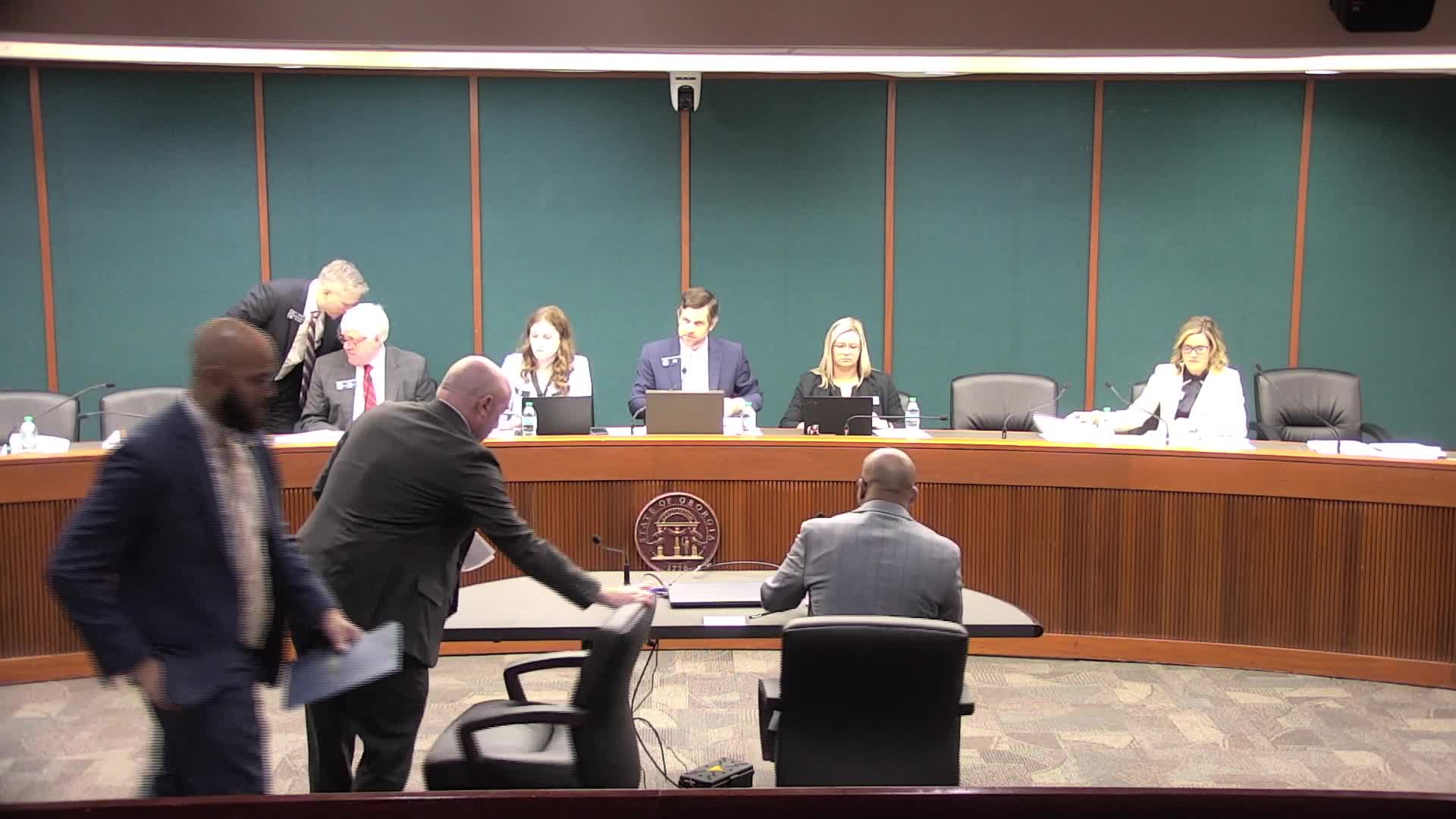
Senate advances bill allowing prosecutors to accuse many felonies without grand jury; critics cite loss of grand jury check
Summary
Senate committee voted 6-1 to allow prosecutors to file accusations (instead of seeking grand‑jury indictments) for a list of felonies intended to speed case processing and reduce law‑enforcement downtime; opponents argued the change reduces a constitutional check and recommended procedural safeguards including timely delivery of accusations.
A Senate committee on Tuesday voted 6‑1 to advance Senate Bill 204, a measure that would allow prosecutors to bring accusations in many felony cases that currently require grand‑jury indictment, a change sponsors said would speed prosecutions and reduce burdens on law‑enforcement officers.
Senate Bill 204, sponsored by Leader Jones, narrows the mandatory use of grand juries to the most serious violent and capital‑exposure offenses and expands the use of prosecutor‑filed accusations for other felonies so those cases can proceed without delay. The sponsor called the bill an efficiency and transparency measure: moving appropriate matters to accusation would allow prosecutors to be “more accountable” for charging decisions while freeing deputies from repeated grand‑jury appearances.
Jared Williams, district attorney in the Augusta judicial circuit, told the committee his office indicted about 3,685 offenses since the COVID grand‑jury exception expired and reported only 23 “no bills,” arguing the grand jury rarely declines to return an indictment and that accusations would reduce the time officers spend absent from duty. He said in some rural circuits grand juries meet infrequently, which delays case processing.
Opponents urged caution. Thomas Weaver, a public commenter, and juvenile‑defense advocates argued the grand jury is an important pre‑trial check and that narrowing its use risks constitutional and due‑process questions. Defense advocates proposed procedural safeguards: timely service of accusations to defendants (proposed five days in testimony), transcription or other transparency measures for grand‑jury proceedings, and limits on who may draw accusations.
The committee debated legal and constitutional questions, including whether the Fifth Amendment’s grand‑jury protections would be implicated in limited circumstances (a public commenter raised the example of aircraft hijacking, which can carry capital exposure). Sponsor and supporters noted 23 other states use similar frameworks and that Georgia temporarily used accusations during the COVID emergency.
After questions and extensive public comment, the committee voted 6‑1 to pass the measure out of committee (motion moved by Senator Rhett, seconded by Senator Perrine). The committee record shows the sponsor and opponents agreed to continue working on implementation details; defense groups asked the sponsor to consider mandatory timely notice to defendants when an accusation is filed and to restrict who may prepare accusations.
The bill now proceeds toward the Senate floor; supporters characterize it as a public‑safety and efficiency reform, while civil‑liberties and defense groups say further procedural safeguards are needed to protect defendants’ rights.