Get Full Government Meeting Transcripts, Videos, & Alerts Forever!
Get email alerts on the Transplant Policy topic
No spam. Unsubscribe anytime.
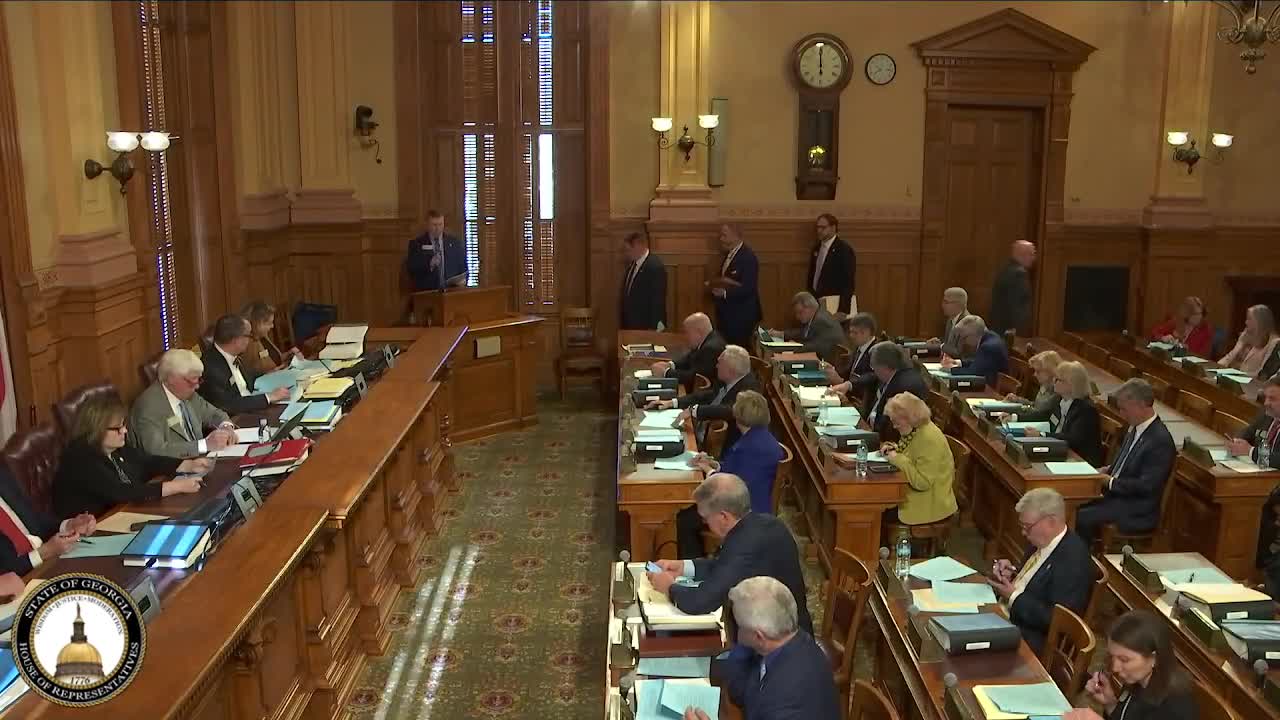
Committee debates bill barring transplant centers from denying organs solely over COVID‑19 vaccination status
Summary
House Bill 522, which would prohibit transplant centers from denying organ transplants solely because a recipient lacks a COVID‑19 vaccination, drew extended questioning about medical judgment and transplant eligibility during the Rules Committee hearing.
A bill that would prohibit organ transplant centers from discriminating against prospective recipients solely because of COVID‑19 vaccination status prompted extended questioning from committee members about the bill’s interaction with medical practice and patient selection.
The bill sponsor told the committee the measure would prevent transplant centers from using COVID‑19 vaccination status as the sole basis to refuse a transplant. The sponsor cited recent news reports that transplant candidates had been denied or delayed over vaccination status and said the policy was occurring today at some centers. Several committee members expressed concern that transplant‑eligibility determinations are complex and typically consider multiple medical and behavioral factors, and that medical judgments about post‑transplant infection risk and organ viability are important to protect scarce donor organs.
Why it matters: transplant decisions involve clinical assessments that weigh comorbidities, behavioral risk factors and the likelihood of post‑transplant survival. Committee members repeatedly questioned whether the bill would improperly intrude on medical decision‑making or create legal constraints preventing clinicians from considering clinically relevant vaccination status among other factors.
Discussion highlights: a committee member described the complexity of transplant candidacy evaluations and asked whether the bill would impede clinicians who assess suitability based on holistic medical factors. The sponsor said the bill only prohibits sole‑factor exclusion for COVID‑19 vaccination status and noted that not all transplant centers require vaccination. Another member noted that vaccine effectiveness changes with variants and asked whether that was a rationale for the sponsor’s proposal. The transcript records references to specific media reports and to the experience of an individual whose transplant was affected by vaccination status; those references were presented by the sponsor to illustrate the policy’s relevance.
Outcome: the exchange was recorded as a committee discussion; there is no vote on HB 522 in the transcript. The bill remains in committee and may be subject to further hearings or amendments.