Get Full Government Meeting Transcripts, Videos, & Alerts Forever!
Get email alerts on the Sex Offender Classification topic
No spam. Unsubscribe anytime.
Appeals court reviews Sex Offender Registry Board's classification of man described as low-risk after decades without new offenses
Summary
John Doe appealed the Registry Board's decision classifying him a risk to reoffend despite three decades without a new sexual-offense conviction; defense counsel argued the board relied improperly on police reports and restraining-order filings and gave insufficient weight to the outdated evaluator report and long period without new offenses; the
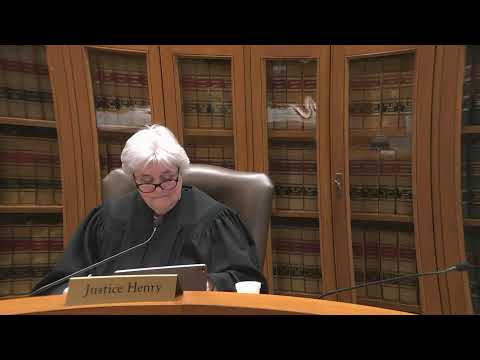
The Appeals Court heard arguments in John Doe v. Sex Offender Registry Board, an appeal challenging the board's classification of an appellant who, counsel said, had not committed a new sexual offense in nearly 30 years.
Appellant's counsel Frederick Bartman told the court the administrative record lacked evidence that the appellant currently posed a risk to reoffend. Bartman argued the hearing examiner relied largely on police reports and a restraining-order affidavit rather than reliable, contemporaneous evidence and gave unduly little weight to a decade-old specialized evaluator report and to the absence of subsequent offenses over a long period.
The board's counsel responded that the examiner permissibly considered subsidiary facts proved by a preponderance (for example, the existence of restraining orders and corroborating police reports) and that the tribunal applied statutory factors that permit reliance on such documents when they bear indicia of reliability. The board emphasized other risk indicators in the record: limited evidence of pro-social desistance and repeated noncriminal allegations and contact patterns the examiner found concerning.
The parties debated whether a district court order or a sworn affidavit in support of a restraining order (a separate judicial action) supplied sufficient indicia of reliability for the examiner to credit the underlying allegations. Counsel also discussed waiver issues concerning which mitigation- and-factor-specific objections were raised in the superior court.
Ending: The court asked focused questions about the weight to be afforded to old evaluator reports, the effect of long periods without offenses, and the proper role of police reports and restraining orders in administrative risk findings. The panel took the matter under submission.