Get Full Government Meeting Transcripts, Videos, & Alerts Forever!
Get email alerts on the Contract Earnout Fraud topic
No spam. Unsubscribe anytime.
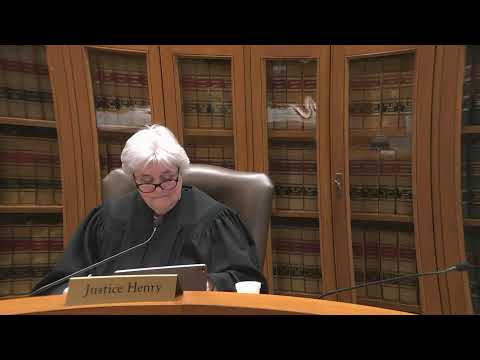
Appeals court weighs fraud and contract claims over earn-out payments in software asset sale
Summary
The Appeals Court heard arguments over whether buyers were fraudulently induced into an earn-out arrangement in the sale of an email-archiving product and whether the asset purchase agreement's written terms bar those claims.
The Appeals Court heard argument in Peter Alex et al. v. Arcserve USA LLC and others over whether summary judgment properly disposed of fraud, breach of contract, and Chapter 93A claims tied to an asset purchase agreement (APA) for an email-archiving product and disputed earn-out payments.
Appellants' counsel Timothy Cutler said the buyers were induced to accept an earn-out structure (instead of an upfront payment) by oral and written representations that Arcserve had strong customer demand, a ready sales force, and financial strength to execute a global roll-out. Cutler argued those representations were 'fraud in the inducement' and that fact issues precluded summary judgment. He said the plaintiffs did not seek to rewrite contractual terms; rather they would not have entered the APA had they known the underlying facts were false.
Opposing counsel Whitney Willets for Marlin Management and other appellees urged the court to enforce the APA's written terms. She pointed to section 1.04(b)(7) (and related clauses) that expressly disclaimed any assurance that earn-outs would be paid and said the contract gave the buyer discretion over post-closing operation and marketing. Willets argued the merger/integration clause and explicit language that the buyers were not to rely on outside statements make reliance unreasonable as a matter of law under Massachusetts (and, alternatively, Delaware) authority.
Arguments also addressed the interplay of a 'no fraud'/section 5.05 provision, claims under Chapter 93A, and whether Marlin (a non-party to the APA) could be sued on derivative contract theories. Appellants said Section 5.05 was not a blanket defense and that representations about pre-closing customer demand and internal readiness were distinct, falsifiable factual claims that the plaintiffs reasonably relied upon in deciding an earn-out structure.
Ending: The panel questioned counsel about the specific APA language engineers used to disclaim guarantees, the reasonableness of reliance given the merger and anti-reliance language, and whether a Chapter 93A claim could survive if fraud and breach theories failed. The court took the arguments under submission.