Get Full Government Meeting Transcripts, Videos, & Alerts Forever!
Get email alerts on the Judicial Plea Involvement topic
No spam. Unsubscribe anytime.
Appeals court hears claim that trial judge improperly pushed plea; defense says judicial involvement created risk of unfairness
Summary
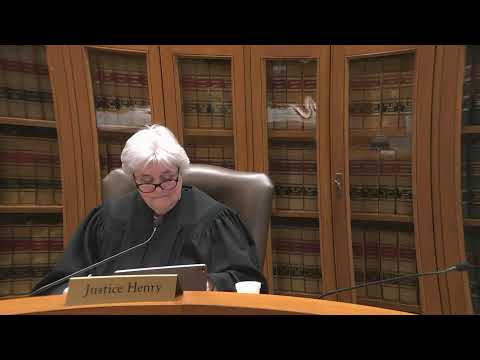
Appeals Court justices heard arguments in Commonwealth v. Hussein Zaza about whether a trial judge crossed the line from case management into improper plea advocacy and biased conduct at trial.
The panel considered an appeal by Hussein Zaza arguing that the trial judge's conduct at pretrial conferences and during trial created a substantial risk of miscarriage of justice. Defense counsel Dana Kerrigan told the court the judge 'orchestrated' plea discussions, put pressure on the defendant to accept a particular disposition, questioned witnesses in a manner that undermined defense theory, and later accepted the Commonwealth's sentencing recommendation.
Kerrigan described specific conduct: the judge proposed a plea (a 'continuance without a finding' or similar disposition), discussed immigration consequences in court, encouraged the complainant to accept a disposition that would avoid trial, and interrupted cross-examination to ask questions that defense counsel said effectively cut off a line of inquiry (for example on DNA preservation). Kerrigan said that pattern -- the judge actively selling a result and making repeated interjections -- created the impression the judge had put 'a thumb on the scale.'
The Commonwealth's substitute counsel, Rob Kidd, responded that active case management and pretrial efforts to resolve cases are common and that the judge's comments were aimed at avoiding the need for victim testimony and unnecessary incarceration in a case where the defendant had been warned his exposure if convicted. Kidd emphasized the lack of evidence of vindictiveness or an excessive sentence: the sentence imposed did not exceed the Commonwealth recommendation and fell within the statutory range.
Kerrigan also complained that the prosecutor elicited testimony about the complainant's mother's emotional state and that questioning and certain admissions on redirect were improperly allowed; the defense relied on prior appellate decisions warning against judicial participation in plea bargaining and urging caution when a judge appears to advocate for a disposition.
Ending: The panel questioned counsel about whether the record demonstrated actual bias versus routine (if rough) courtroom case management. The court submitted the appeal for decision.