Get Full Government Meeting Transcripts, Videos, & Alerts Forever!
Get email alerts on the Property And Land Registration topic
No spam. Unsubscribe anytime.
Appeals court revisits century-old deed, land registration and easement dispute in Wellfleet case
Summary
Argument focused on whether an over-inclusive 1922 deed conveyed land the grantor owned, and whether intervening registered-parcel easements are immune from attack under land-registration statutes.
The panel heard extensive argument in Sexton v. Barnstable County and Wellfleet Housing Authority over a 1922 deed described as ‘‘over-inclusive’’ and whether that deed conveyed the parcel the plaintiff-appellant claims. The appeal also raised whether registered-land intervenors hold easements immune from challenge.
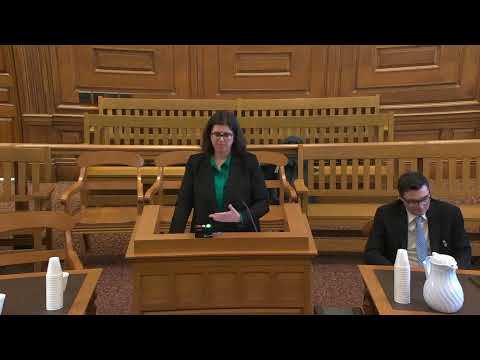
Daniel Dane argued for appellant Shalee Sexton that long-standing rules of deed construction require courts to give effect to a deed that describes property the grantor actually owned, even if the language is over-inclusive. Dane said the title history shows Lampson owned only one parcel between Old Kings Highway and Covell’s Way and urged the court to construe the 1922 deed accordingly.
Counsel for the appellees, including Zachary Burke and Giles Krill, urged deference to the land court’s findings that the deed’s description was not sufficiently definite to place the locus on the ground and that land-registration protections and good-faith purchaser findings insulated the interveners’ easement. Appellees argued the lower court’s conclusions relied on well-established principles of notice and recording that protect the public relying on recorded descriptions.
Argument turned on the interaction of Massachusetts deed-construction precedents (Hurley, Danforth and Powell were discussed), the rule disfavoring joint-tenancy defaults, and the operation of the land-registration statute when easements are recorded against registered lots. Appellees noted the plaintiff’s brief did not challenge the land-registration holding below and urged the panel to reject the appeal on that basis.
The court also discussed the scope and weight of extrinsic evidence—title history, subsequent actions by successors in interest, and the land court’s factual findings. No bench decision was announced at argument. The justices took questions on whether remand or fidelity to the land court’s factual findings was the correct course.