Get Full Government Meeting Transcripts, Videos, & Alerts Forever!
Get email alerts on the Securities Investor Restitution topic
No spam. Unsubscribe anytime.
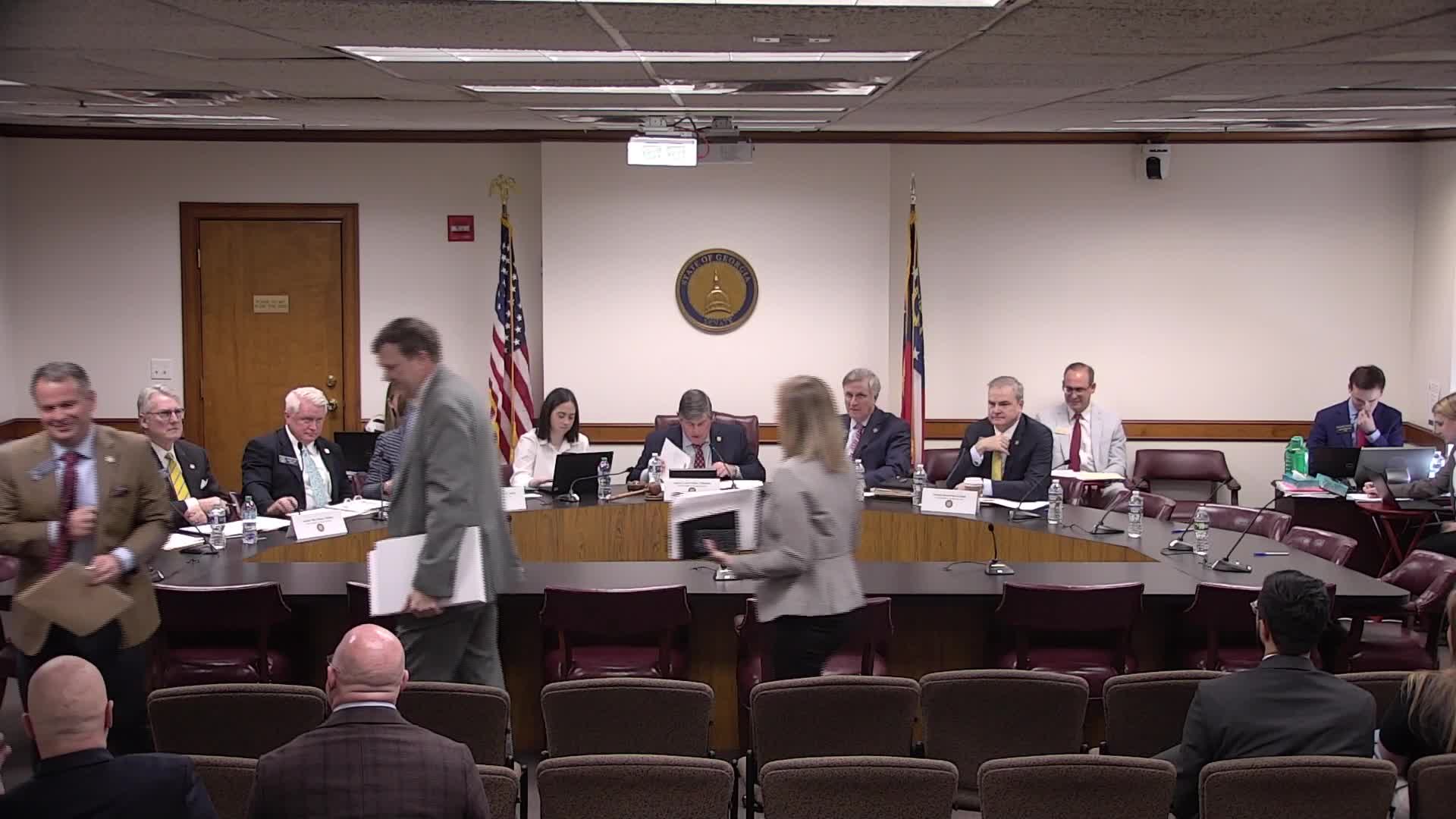
Committee narrowly expands securities regulator’s power to order investor restitution
Summary
Senate Bill 284 would allow the Georgia securities regulator to order return of investor funds when fraud is found and to use subpoena power to locate assets; the committee passed the bill after testimony by the Secretary of State’s securities division.
The Senate Insurance and Labor Committee voted to pass Senate Bill 284, which would add an investor restitution tool for the Secretary of State’s securities division when fraud has been found under the Georgia Uniform Securities Act of 2008.
Senator Walker, the bill’s sponsor, told the committee the change would give the Secretary of State an additional remedy beyond civil penalties and license revocation. He said the measure is limited to restoring investor funds in fraud cases and includes due‑process safeguards.
Nuala Zaharis, assistant commissioner of securities and director of the securities division in the Office of the Secretary of State, testified in support. “This bill allows us to help our investors who have been harmed by investment fraud,” she said, and described the current constraint that the division can order fines but must rely on negotiated consent orders to return money to harmed Georgians.
Zaharis said the provision would let the regulator require repayment only where fraud is proven, and that the amount returned would generally reflect the investor’s contribution: “For example, if an investor contributed $5,000 … if we find that they have committed fraud, we will order them to give that $5,000 back.” She also described the division’s existing practice of offering a notice of opportunity for a hearing or negotiating settlements, and said hearings follow the Administrative Procedure Act with independent hearing officers and attorneys for both sides.
Committee members asked about due process and enforcement. Zaharis said most matters are resolved in settlement discussions, but if a hearing results in an order that is not complied with, the division would refer enforcement to the attorney general and pursue remedies in superior court; a court could authorize asset seizure to satisfy the judgment.
After discussion the committee moved and seconded a recommendation to pass the bill; the chair announced the committee voted in favor and the bill passed unanimously. Supporters described the measure as an additional tool to return stolen funds to victims while retaining existing penalty authority; witnesses said prosecutions or court enforcement would still be required to collect from noncompliant respondents.
No fiscal estimate was provided during the hearing. The committee recorded no roll‑call vote in the transcript; the chair characterized the vote as unanimous.