Get Full Government Meeting Transcripts, Videos, & Alerts Forever!
Get email alerts on the Debt Collection topic
No spam. Unsubscribe anytime.
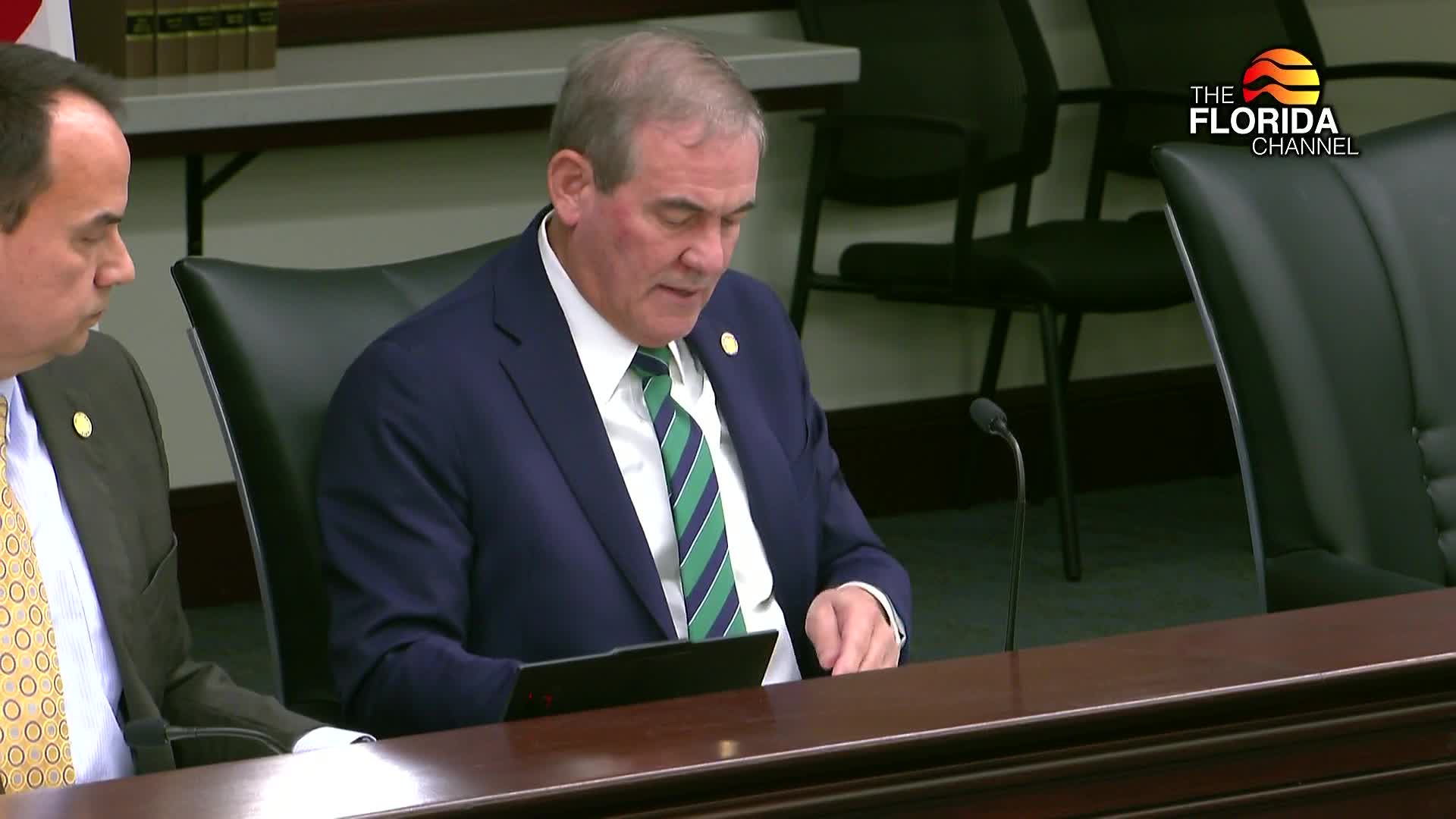
Senate committee narrows debt-collection bill after split public testimony on consumer protections
Summary
The Florida Senate Commerce and Tourism Committee adopted an amendment allowing emails at any hour in a debt-collection bill while retaining other limits on contact outside 8 a.m.-9 p.m.; consumer advocates warned narrowing who the law covers could remove protections for seniors and low-income residents.
The Florida Senate Commerce and Tourism Committee adopted changes to Senate Bill 232 on debt collection after hours of questions and public testimony on whether narrowing the law would weaken consumer protections.
Senators voted to adopt an amendment by Sen. Ben Gruters clarifying that email communications may be sent or received at any hour without violating the statute, while continuing to prohibit other communications outside the 8 a.m. to 9 p.m. window. The committee later considered, and rejected, a broader "delete-all" amendment offered by Sen. Rodriguez that would have substantially revised the bill's underlying text.
Why it matters: The bill and the amendments would change which actors must comply with Florida's consumer-debt statutes and how communications are regulated outside normal calling hours. Witnesses said the difference between the terms "any person" and "debt collector" determines whether original creditors, door-to-door scammers, restoration companies and others remain subject to the Florida statute.
Key facts and actions - The committee considered barcode 109,918 (Rodriguez) and barcode 706,006 (Gruters). Gruters' amendment was explained as allowing email at any hour while preserving other protections. Rodriguez' delete-all amendment was debated and later failed on a roll call. The Gruters email amendment was adopted earlier in the hearing. - Public testimony was split: trade groups sought clarity to avoid suits over server timing; legal-aid and consumer-advocate witnesses urged the committee not to narrow the statute from "any person" to "debt collector," saying that would remove protections used daily to protect seniors, veterans and low-income residents.
What witnesses said - Laura Yeomans, legislative affairs director for the Florida Justice Association, told the committee the proposed change from "person" to "debt collector" would narrow the definition in section 559.55 and would exclude in-house collectors. "We don't think that's the intention of this body," she said, and asked senators to vote against the strike-all amendment. - A consumer-protection attorney identified as Hansbo told senators the Florida statute (the Florida Consumer Collection Practices Act) applies to "any person" and that narrowing to debt collectors would leave many abusive actors beyond reach. He described cases where non-debt-collector actors (restoration companies, scammers) harassed or misled vulnerable people and said the broader Florida law is the principal tool to help those clients. - Jim Kowalski of Jacksonville Area Legal Aid said the change would "gut Florida's main consumer protection statute" and warned it would remove remedies used daily to protect seniors and low-income residents. - Victoria Zupp, representing the Self Storage Association, said member businesses had faced lawsuits over automated emails that landed on servers after-hours and supported clarifying the law to exclude inadvertent server timing from liability.
Sponsor responses and committee debate - Sen. Ben Gruters said his amendment was intended to preserve consumer protections while allowing email communications that are often routed by servers outside an operator's control. "Let's change that [email timing], but let's keep the other protections in place," he told the committee. - Sen. Rodriguez, sponsor of the underlying bill, thanked stakeholders and asked for the committee's favorable support after debate; his strike-all amendment did not pass.
Votes at the committee level - The committee ultimately reported CS for SB 232 favorably to the Senate (roll call recorded in the committee). The committee also adopted Sen. Gruters' email amendment earlier in proceedings and rejected the sponsor's strike-all amendment.
Context and next steps The transcript record shows robust, split testimony between industry groups seeking narrower liability for email timing and consumer advocates urging retention of a broad "any person" standard. The bill as reported from committee will move to the next Senate step; additional amendment opportunities remain in subsequent committees or on the Senate floor.
Provenance: Transcript excerpts include the bill explanation and amendment discussion starting with the committee moving to tab 2 and introduction of barcode 109,918, and public testimony from Laura Yeomans, Hansbo, Jim Kowalski, and trade representatives. The committee's roll-call reporting of CS for SB 232 appears later in the transcript.