Get Full Government Meeting Transcripts, Videos, & Alerts Forever!
Get email alerts on the Opioid Settlement topic
No spam. Unsubscribe anytime.
Barry County task force outlines recovery needs, opens applications for opioid-settlement funds
Summary
A Substance Use Task Force presenter summarized community needs — housing, mental-health access, transportation and harm-reduction — and announced an application process for opioid-settlement funds with a March 31 deadline and technical-assistance support.
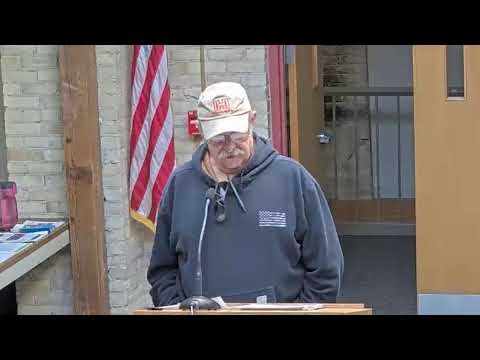
Liz, a member of the Barry County Substance Use Task Force, told the Board of Commissioners that community listening sessions identified housing, access to mental-health care, transportation and harm-reduction services as top priorities for people in recovery.
The presenter said stable transitional or supportive housing is “the biggest identified need” and quoted a local professional: “If people don't have stability and they know that they have a safe place to sleep at night, it's really tough to move forward.” She listed other recurring themes as transportation barriers to care, misunderstandings about how services are paid for, stigma, and a need for youth prevention and criminal-justice navigation supports.
The task force has released an application process for Barry County’s share of opioid-settlement funds, the presenter said. She said the task force and staff will serve as technical assistants to applicants, that a press release and social-media messages are under way, and that application materials are posted on the task force’s page on the county’s substance-use website. The presenter said the application deadline is March 31 and invited prospective applicants to contact her for help.
The presentation classified recommendations as tier 1 and tier 2 priorities and urged local organizations and individuals to submit proposals tied to the community’s needs. The presenter also emphasized the task force’s efforts to make materials accessible and said the website follows ADA accessibility standards.
Commissioners and other attendees asked for clarification about what “community support” means in practice, and the presenter said respondents described gaps such as agencies that close before a resident can attend or services scheduled when someone is at work. She said some perceived gaps may reflect lack of awareness about available services and that the task force intends to do more outreach and education.
The next step, the presenter said, is that a review committee will score applications and bring recommendations to the commissioners, who will make final funding decisions.
Liz said she has received phone and email inquiries and will provide technical assistance for applicants. "We've tried to have everything in an easy to read format to meet our accessibility criteria," she said.