Get Full Government Meeting Transcripts, Videos, & Alerts Forever!
Get email alerts on the Housing Weatherization Repairs topic
No spam. Unsubscribe anytime.
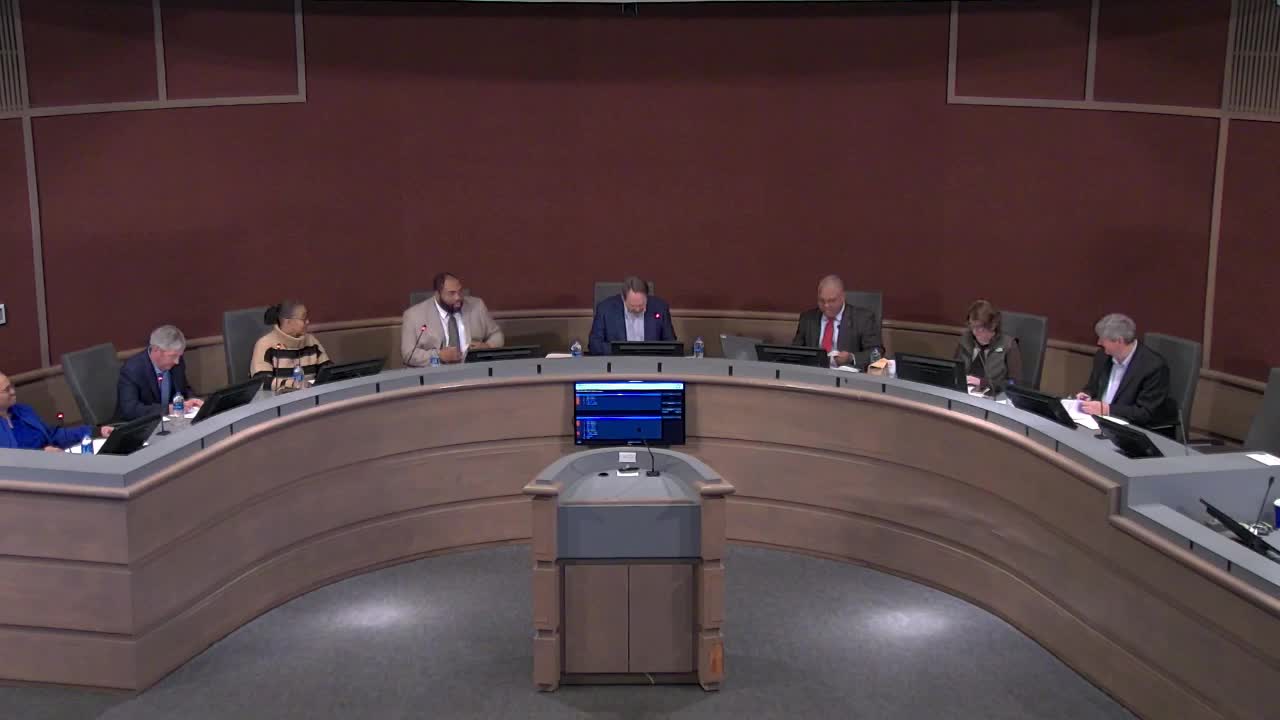
Albany utility board debates turning weatherization repair grants into deferred loans; board asks staff to return with options
Summary
The Albany Utility Board debated whether $15,000 per-home weatherization repair assistance should be delivered as a grant or converted to a low- or no-interest loan and approved a substitute approach directing staff to return with structured deferred-loan options.
The Albany Utility Board spent more than an hour discussing how to use roughly $15,000-per-home repair assistance tied to the city’s weatherization program and whether that aid should be a grant or a loan.
The item was introduced by a staff presenter as a proposed $15,000 low- or no-interest loan available to homeowners to make repairs that allow weatherization work to proceed. “What I have proposed is this $15,000 be available in the form of a low interest or no interest loan,” the presenter said.
Board members and staff described two separate programs that overlap: a customer-service–housed program and a Community Development Division program administered with HUD Community Development Block Grant (CDBG) funding. Housing and community-development staff told the board their department runs a grant program (up to $15,000, with director-level discretion to increase amounts in some cases) and uses a mix of federal funds, including CDBG allocations. “HUD gives us the flexibility,” one staff member said, describing the grant structure and director discretion for higher-cost repairs.
Concern about resale and “flipping” of homes prompted discussion of repayment safeguards. “We’ve got to have some guardrails,” board member Hawthorne said, arguing a loan structure could include protections so a home is not improved and immediately resold without the city recovering funds. Staff described a deferred-loan option already used in the minor repairs program: a lien-like arrangement that reduces (for example) 20% per year and disappears after a set period if homeowners remain in place.
Board member Bills introduced a substitute motion that would not create a standard repayable loan but would use a deferred-loan structure that functions as a grant diminishing over time. Bills argued she was “not in favor of a loan” but that a deferred arrangement would address concerns about resale without placing an immediate repayment burden on homeowners. The substitute motion was seconded and the board voted on it. The roll call recorded Burley, Collier and Fields voting yes and the mayor voting no; the substitute motion carried and the chair directed staff to develop options for restructuring the program and return with formal proposals for the board to consider.
Board members also emphasized coordination between the two city programs. Staff said the Community Development program currently holds federal CDBG funds (the city’s allocation this year was discussed as roughly $720,000–$770,000 across CDBG lines) and that past COVID-era underuse left a balance of roughly $170,000 the city intends to deploy for repairs. Staff warned the total federal allocation can fluctuate by year and that the department juggles allocations among minor repairs, emergency repairs and weatherization eligibility.
No change was retroactively applied to applicants already approved under the prior policy; staff said applicants already in the pipeline would remain eligible under the rules in place when they were approved. The board asked staff to return with specific program options, guardrails to prevent resale abuse, and suggested provisions tying repayment or lien obligations to property sale or utility billing recapture mechanisms.
The board made no final structural adoption beyond approving the substitute motion to explore and return with formal policies; staff will prepare and present draft restructuring options at a future meeting.