Get Full Government Meeting Transcripts, Videos, & Alerts Forever!
Get email alerts on the Housing Weatherization Repairs topic
No spam. Unsubscribe anytime.
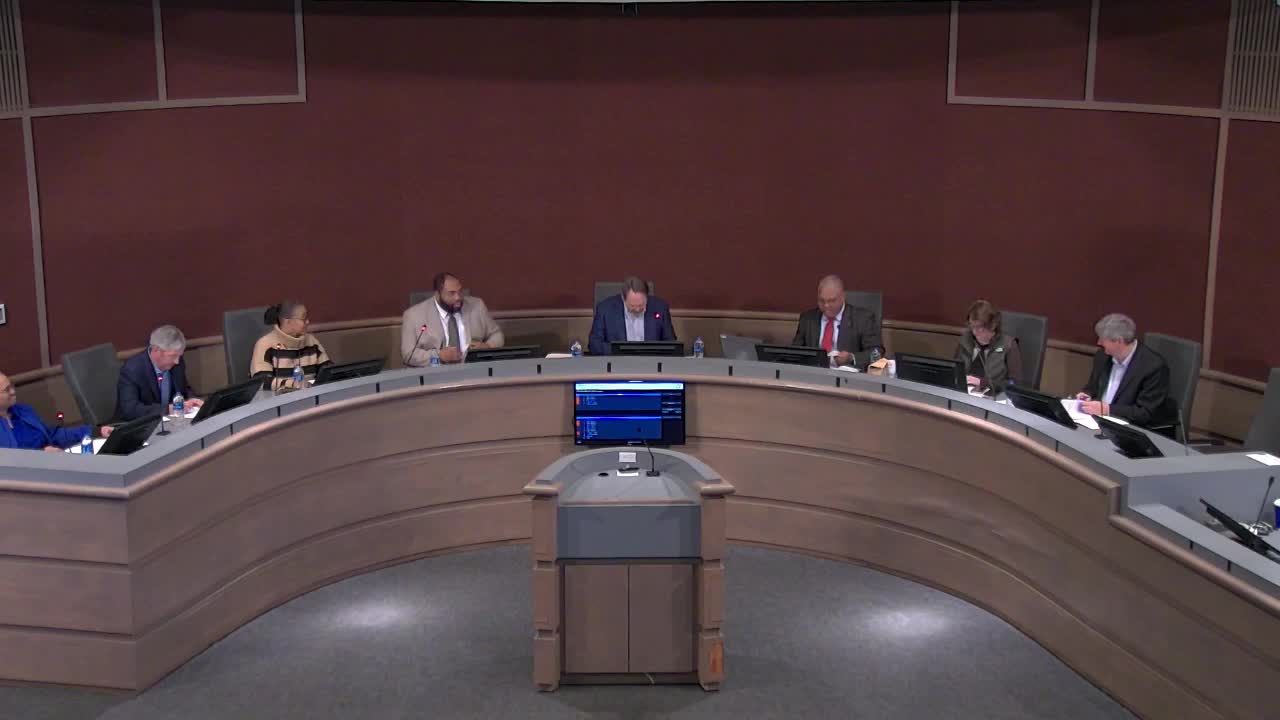
Albany utility board narrows repair-assistance plan; approves deferred loan-style grant for homeowners
Summary
After debate about grants, loans and program capacity, the board approved a substitute motion to structure $15,000 homeowner repair assistance as a deferred loan (administratively treated as a grant) and directed staff to return with implementation options.
The Albany Utility Board on Feb. 27 approved a change in how staff will structure a $15,000 assistance program to help homeowners make repairs needed before weatherization work can be completed.
Staff explained the city administers several programs that repair homes so they qualify for weatherization: an emergency-repair program, a minor-repair program and a weatherization program that had been placed within the utilities department. The city also receives Community Development Block Grant (CDBG) funds and other federal dollars tied to HUD, which staff said provide flexibility but require federal compliance and reporting.
Hawthorne, a city program director who oversees repair programs, told the board the department typically administers grant-funded repairs and that HUD allows flexibility because recipients—often seniors—may not be able to repay loans. Hawthorne said the city has an allocation of approximately $770,000 from CDBG-related funds (the transcript mentions $770,000 and $720,000 figures in discussion) and that staff currently estimate about $170,000 in carryover funds available for minor repairs after de‑obligating earlier allocations.
Board members noted demand: staff reported more than 600 applications and roughly 169 approvals in the initial pipeline, creating pressure to define whether future assistance should be grants, deferred loans, or low-/no-interest loans that are secured to prevent “flipping” of properties. One board member said the city had budgeted roughly $1 million for weatherization assistance and that many approved applicants remain in a queue.
After discussion, a board member offered a substitute motion to structure the $15,000 assistance as a deferred loan that is administratively treated as a grant (the amount would be reduced over a multi-year schedule unless conditions such as a sale require repayment). The board approved that substitute motion on a roll call and directed staff to return with specific policy options, eligibility guardrails and implementation details, including measures to prevent property flipping and to coordinate with contractors handling outreach and repairs.
Board and staff comments emphasized that HUD‑funded programs impose constraints and that some homes require repairs before weatherization can proceed. Staff also said they are considering contracting with an outside firm that previously handled much of the program work to improve capacity and implementation.
The board’s action does not retroactively change assistance already approved and paid under the earlier structure, staff said. Members asked that staff return with formal program language, recommended repayment/forgiveness schedules, and a plan for communicating eligibility to applicants who remain in the queue.