Get Full Government Meeting Transcripts, Videos, & Alerts Forever!
Get email alerts on the Road Safety Vulnerable Users topic
No spam. Unsubscribe anytime.
‘Lataha’s Law’ proposed after multiple bike, pedestrian deaths; senators weigh stiffer penalties and move‑over duties
Summary
Sen. Kathleen Kauth’s LB530 would create a statutory category of ‘vulnerable road user,’ increase penalties for extreme speeding and require drivers to move over or slow when passing people on foot, bikes, mobility devices or roadside workers.
Senator Kathleen Kauth introduced LB530—branded in testimony as ‘‘Lataha’s Law’’—to raise criminal penalties for extreme speeding and create a statutory category of ‘‘vulnerable road user’’ with specific move‑over and safe‑passing duties.
Kauth said the bill responds to a string of recent deaths and growing public concern about drivers racing, distracted driving and close passes that injure or kill bicyclists and pedestrians. ‘‘We take our lives and the lives of those around us in our hands every time we get behind the wheel,’’ Kauth said, citing fatal crashes and an increase in youth violent crime at other hearings that day as part of a broader safety conversation.
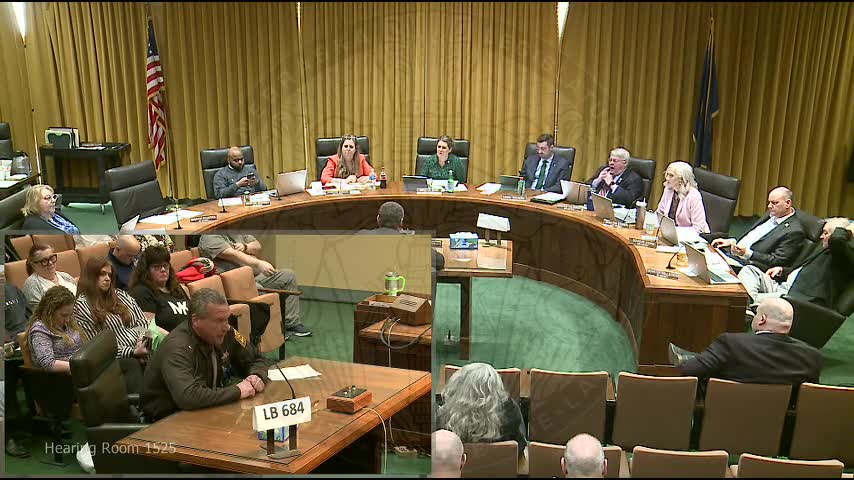
Sheriff Aaron Hansen and police union and chiefs testified in support, saying speeding and distracted driving are the top public safety complaints in many counties and that current fines and penalties don’t deter reckless behavior. ‘‘Average fines for willful reckless driving convictions have been around $200,” said Sheriff Hansen. ‘‘That’s not a deterrent for someone driving 100+ mph.’’
Cycling and pedestrian advocates urged the committee to adopt the bill’s definition of vulnerable road users, which covers cyclists, people on foot, users of mobility devices, people working on roadsides and others, so drivers must ‘move over’ when safe or slow down otherwise. ‘We need laws that protect people who don’t have a ton of protection,’ testified Julie Harris of Bike Walk Nebraska. Family members of people killed while riding legally described ongoing trauma and asked lawmakers to provide clearer legal accountability.
Industry groups including AAA and representatives of banks and business associations told the committee that stricter penalties and clearer move‑over duties can reduce crashes and are consistent with national safety trends. Some committee members questioned enforcement mechanics and whether higher fines alone change behavior; proponents and law enforcement pointed to a mix of education, enforcement and higher penalties as the intended approach.
No vote was recorded. Sponsors said they will continue drafting to reflect policing and judicial concerns about enforcement and to ensure penalties are proportionate. The committee heard multiple emotional stories from families who lost loved ones in bicycle and pedestrian collisions; several witnesses asked lawmakers to act quickly to change the law.