Get Full Government Meeting Transcripts, Videos, & Alerts Forever!
Get email alerts on the 529 Nest K12 topic
No spam. Unsubscribe anytime.
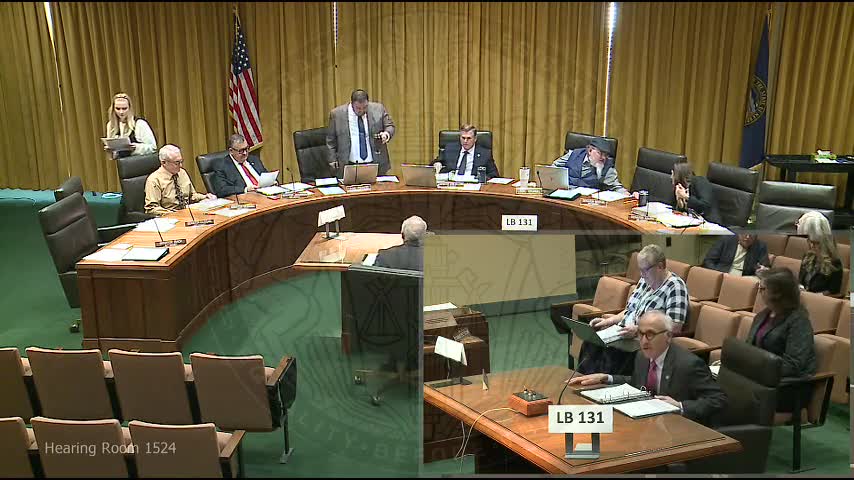
Revenue Committee hears proposal to let Nebraska 529 (NEST) pay K–12 tuition; sponsors and treasurer back expansion, education groups split
Summary
Senator Tony Sorrentino introduced LB 131, a bill to allow Nebraska’s NEST 529 plan to pay up to $10,000 per beneficiary per year in K–12 tuition, aligning state law with federal tax law changes and supporters said would keep Nebraska competitive.
Senator Tony Sorrentino opened the hearing on LB 131 by saying the bill would conform Nebraska law with federal changes that allow 529 plans to be used for K–12 tuition, and would permit Nebraska taxpayers to use the Nebraska Educational Savings Trust (NEST) to make tax‑favored withdrawals up to $10,000 per beneficiary per year for elementary and secondary tuition. "LB 131 allows Nebraskans the opportunity to save money for their children or grandchildren's education," Sorrentino said.
Deputy State Treasurer Rachel Beyer, who manages the NEST program, told the committee Nebraska’s program holds about $7.26 billion in assets with more than 301,000 accounts and a strong in‑state participation rate. Beyer said the state’s plan is at a competitive disadvantage if it does not permit K–12 withdrawals because families and financial advisors choose plans that allow the broader federal eligibility. She challenged assumptions in the Department of Revenue fiscal estimate, saying it assumes a one-time surge of large new contributions and immediate withdrawals that Beyer called unlikely based on program history.
Why it matters: supporters argued LB 131 expands families’ choices, helps parents and grandparents save for a wider set of education costs, and keeps the Nebraska plan competitive against plans in other states. Faith‑based and nonpublic school associations emphasized tuition relief for families who already pay private-school tuition and noted the bill would benefit families at a range of income levels.
Support and testimony in favor: Tom Bensor (Nebraska Catholic Conference), Matt Litt (Nebraska Coalition of Nonpublic Schools), Nicole Fox (Platt Institute), Jay Steinacher (program manager, NEST program manager contractor) and other backers said expanding qualified distributions to K–12 would increase family flexibility and support educational choice. Supporters also said the change could increase program scale and lower administrative costs.
Opposition and fiscal concerns: Tim Royers of the Nebraska State Education Association and other education and policy groups opposed the bill. Opponents argued the primary beneficiaries would be families who already can afford private tuition, that the proposed Nebraska tax deduction would primarily help higher-income filers, and that allowing immediate contributions and withdrawals could turn a long‑term savings vehicle into an immediate tax shelter in some cases. OpenSky Policy Institute’s witness also described revenue‑loss concerns at a time when the state faces budget pressures and said administrative churn from shorter holding periods could increase costs.
Technical and legal questions: committee members asked whether contributions and withdrawals in short order could be used to create immediate state tax benefits; Senator Sorrentino and Deputy Treasurer Beyer said such rapid in‑and‑out transactions are technically possible in limited circumstances (for example, to support an adult learner who is a beneficiary) but are uncommon, and Beyer said the Department of Revenue fiscal estimate overstated probable behavioral responses.
Outcome and next steps: after public testimony for and against the bill, Senator Sorrentino said he would stay to close and urged the committee to advance LB 131. The committee did not record a committee vote at the hearing.
Ending note: LB 131 drew a clear split along lines of education choice and fiscal policy: NEST administrators and school‑choice advocates urged modernization to match federal law and maintain competitiveness; many public education groups and fiscal-policy witnesses urged caution, citing distributional effects and state revenue impacts that they want addressed before advancement.