Get Full Government Meeting Transcripts, Videos, & Alerts Forever!
Get email alerts on the Prison Contraband Testing topic
No spam. Unsubscribe anytime.
Bill would let Nebraska prisoners request lab confirmation of contraband tests after inspector general flags false positives
Summary
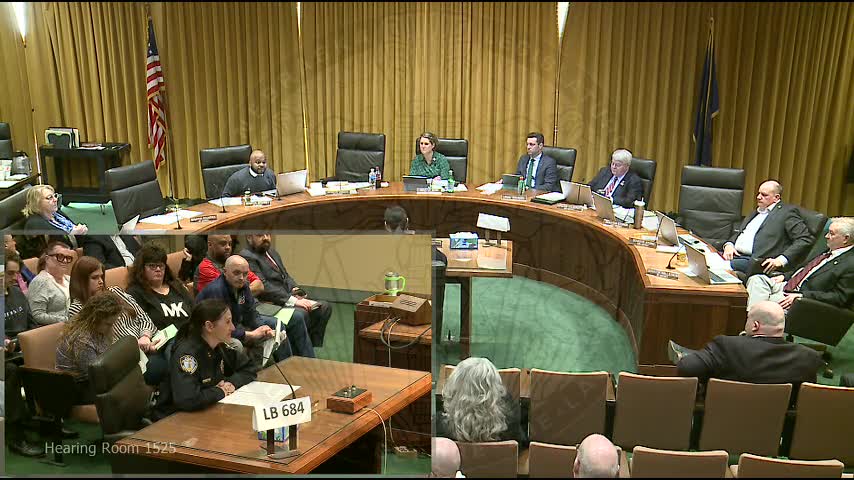
Sen. Margaux Juarez told a Judiciary Committee hearing that LB519 would let inmates request independent laboratory confirmation of positive field tests for contraband in Nebraska prisons after an inspector‑general review found false positives.
Sen. Margaux Juarez proposed LB519 to let incarcerated people request independent confirmatory testing when department staff report positive results on presumptive contraband field tests.
Juarez said her bill would reduce mistakes built on quick field results. ‘‘Field tests are a useful tool for preliminary screenings, but are too unreliable to decide an inmate’s disciplinary cases,’’ she told the Judiciary Committee, citing a 2024 inspector‑general report that documented instances in which positive spot tests led to disciplinary removals and even delayed parole.
Doug Coburnick, Nebraska’s Inspector General of Corrections, testified in neutral support and said his office’s 2024 investigation found that field screening devices sometimes give false positives and that NDCS should permit access to confirmatory testing similar to statutory protections already available for urine toxicology screening. He added that private labs generally return confirmatory results within about 30 days, though timing varies by lab.
The department’s witnesses and the ACLU backed the idea of confirmation but raised practical questions about turnaround time, logistics and costs. The bill as written requires an inmate to pay for confirmatory testing if the results remain positive; proponents said that rule discourages frivolous tests while sparing the department costs when a test proves negative.
The committee discussed whether appeals under the Administrative Appeals Act are an adequate remedy; sponsors said confirmatory tests are faster and less costly than repeated administrative and court appeals. No vote was taken. Senators and witnesses agreed to work on technical language about who pays for tests, how quickly labs must turn results around, and whether the department must set an official process.
Proponents included the ACLU and several current and former corrections professionals; the inspector general appeared neutral but supportive of changes recommended in his 2024 report. The Judiciary Committee will consider amendments on logistics and funding before scheduling further action.