Get Full Government Meeting Transcripts, Videos, & Alerts Forever!
Get email alerts on the Drugs Tianeptine topic
No spam. Unsubscribe anytime.
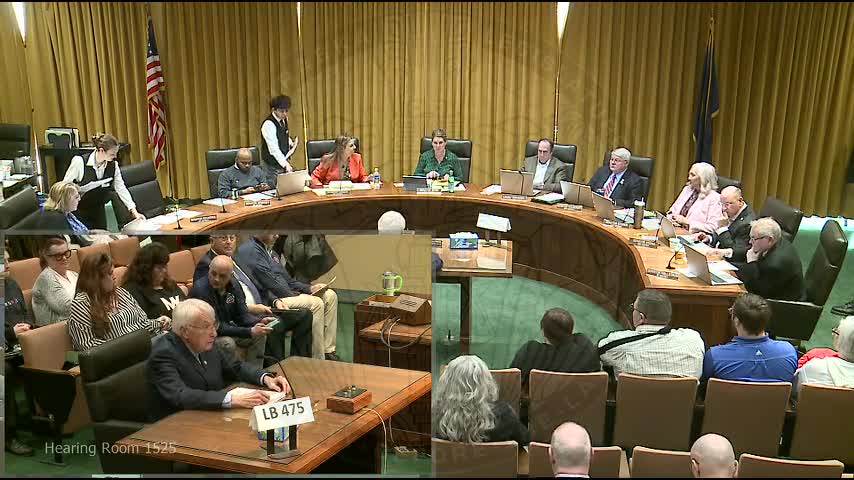
Nebraska hearing backs bill to add tianeptine to controlled substances list after family testimony
Summary
Senator Merv Riepe persuaded the Judiciary Committee to consider LB475 after family testimony and store verifications showing tianeptine sold in Nebraska head shops under names like Zaza Red.
Senator Merv Riepe introduced LB475 on the Nebraska Controlled Substance Act, asking the Judiciary Committee to add the synthetic drug tianeptine to the state schedule after testimony about local availability and harm.
Proponents said the drug—sold in head shops and online under names including Zaza Red—acts like an opioid, carries addiction and overdose risks, and is not federally scheduled. ‘‘Reports of abuse, severe withdrawal, and overdoses have surged across the U.S.,’’ Senator Merv Riepe told the committee, citing constituent reports and state head‑shop checks that found the product still being sold in Nebraska.
The bill drew emotional testimony from people who said tianeptine threatened their families. Haley Yelinek, whose adult son died in 2021, described his decline after using the product and pleaded for lawmakers to curb its sale. ‘‘My son was lured by the beautiful red bottle…It said ‘feel good. Clear your mind,’ but that isn’t what happened,’’ Yelinek said.
Lawmakers asked technical questions about scheduling. Senator Hallstrom pressed the sponsor on why the bill proposes Schedule IV rather than Schedule I or II, given there is no FDA‑approved medical use in the U.S. Riepe said he modeled the proposal on other states’ choices and sought a balance that would restrict unregulated sales while leaving the door open for any future legitimate medical uses.
Committee members also discussed federal versus state action; proponents said federal steps have lagged and states are acting now. No vote was recorded. The committee received one proponent letter and no opponent letters; Riepe said he would remain available to answer technical changes requested by the panel.
The measure will return to committee work sessions as sponsors and staff continue drafting language to address members’ questions about scheduling level and enforcement.