Get Full Government Meeting Transcripts, Videos, & Alerts Forever!
Get email alerts on the Anti Slapp Public Expression topic
No spam. Unsubscribe anytime.
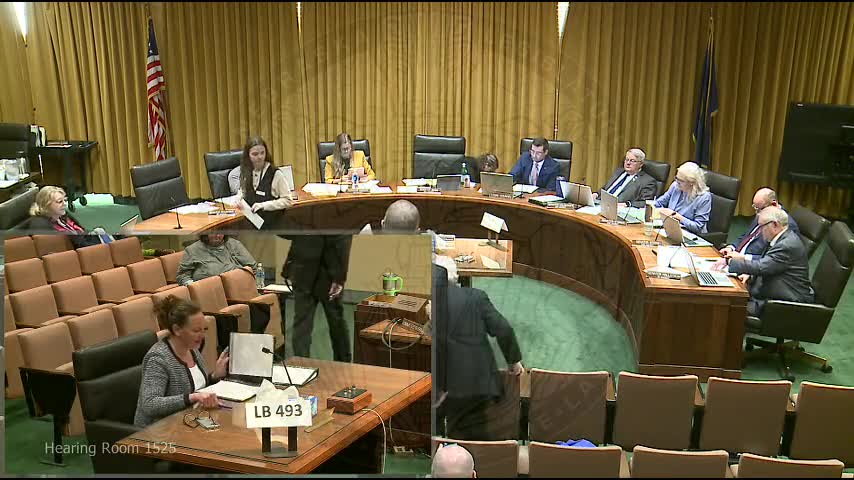
Committee hears Uniform Public Expression Protection Act; Attorney General warns of exemptions
Summary
Sen. Danielle Conrad introduced LB493 to expand Nebraska’s anti‑SLAPP law using the Uniform Law Commission model; supporters said the measure protects public expression from meritless suits, while the Attorney General’s office urged broader government exemptions and flagged constitutional and procedural issues.
Senator Danielle Conrad introduced LB493, a reintroduction of a model Uniform Public Expression Protection Act meant to modernize Nebraska’s anti‑SLAPP protections and provide a clear, expedited process to dismiss lawsuits filed to silence public participation.
Conrad told the Judiciary Committee the bill updates Nebraska’s existing, narrow anti‑SLAPP statute and builds on the Uniform Law Commission’s model language. “If we're going to have an anti‑SLAPP law on the books ... we should have a statutory framework that's clear for all stakeholders that's modern and that works well,” Conrad said.
Larry Ruth, a member of the Nebraska Uniform Law Commission, and Jay Adkisson, a practitioner experienced in anti‑SLAPP work, described the model act’s structure. Adkisson told senators the primary effect is procedural: defendants can move early to dismiss claims that target constitutionally protected expression because “if the lawsuit is meritorious, it's gonna survive the motion for summary judgment. If it's not meritorious, it's gonna be kicked out upfront.” He said the statute narrows discovery when a protected‑speech special motion is filed and shifts verification burden to the plaintiff.
Media and civil‑liberties groups supported the bill. Corby Gilbertson, for Media of Nebraska, said SLAPP suits have become more frequent and that journalists and community advocates face costly litigation intended to silence them. Dylan Severino, policy counsel for the ACLU of Nebraska, described SLAPP suits as “a common tool for intimidating and silencing criticism” and argued the uniform act would speed dismissal of meritless claims.
The Nebraska Attorney General’s Office opposed the bill as drafted. Bebe Sernad, Consumer Protection Bureau chief, said the bill’s government exemption is “inadequate” and warned the act could be used to delay or block important civil enforcement brought by state and local governments (for example in deceptive‑trade and consumer‑protection suits). The office recommended an express, broad exemption for attorney general, county attorneys, and district attorneys similar to exemptions adopted in several other states. Sernad also noted that anti‑SLAPP statutes have been struck down on constitutional grounds in other states and that the bill as written could raise access‑to‑court and due‑process concerns.
Committee members asked about balancing free‑speech protections with the state’s need to pursue enforcement actions and about constitutional risks. Several proponents and the Uniform Law Commission representatives signaled willingness to work on exempting core government enforcement activity while preserving private‑party protections for petition and speech. No committee vote was taken at the hearing; the sponsor said she would continue stakeholder discussions.