Get Full Government Meeting Transcripts, Videos, & Alerts Forever!
Get email alerts on the Tax Sale Certificates topic
No spam. Unsubscribe anytime.
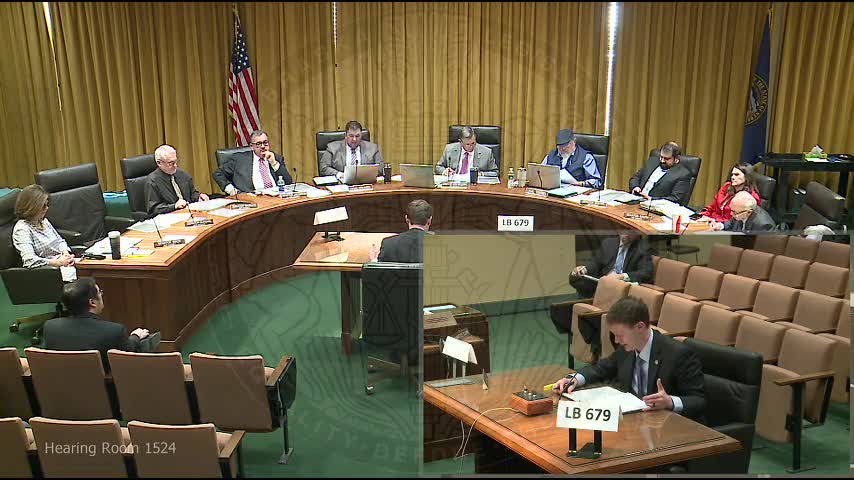
Bill to permit counties to negotiate bulk sales of tax sale certificates draws praise and caution
Summary
Sen. Beau Ballard’s LB679 would authorize counties to sell tax sale certificates in negotiated bulk transactions and clarify service and attorney‑fee rules; proponents said the change is optional and can help counties, while county associations urged caution and preferred alternate drafting.
Senator Beau Ballard introduced LB 679, which would (1) authorize county boards to approve negotiated bulk sales of tax sale certificates if the county concludes the tool is in its best interest, (2) clarify the mechanics of service for tax sale notices, and (3) set consistent rules about attorney fees in the tax‑sale process.
Why it matters: Counties use tax‑sale certificate procedures to collect unpaid property taxes. Ballard said the bill would give counties an optional tool to manage large inventories of delinquent certificates and allow negotiated agreements with reputable buyers, while leaving the ordinary public‑sale process intact for counties that prefer it.
Supporters testified that the proposal is optional, not mandatory, and can help counties that face heavy administrative burdens. Mark Laughlin, a long‑time tax‑lien investor, said a negotiated option allows county officials to choose a trusted partner and structure remedies such as payment plans instead of quick foreclosures. He told the committee that allowing counties to negotiate could let officials require buyer commitments on post‑sale conduct, potentially protecting vulnerable homeowners.
Opponents and county groups urged restraint. The Nebraska Association of County Officials (NACO) and Association of County Treasurers said the current statutory sale and round‑robin process ensures broad investor access; they warned that negotiated bulk sales could exclude local “mom‑and‑pop” buyers, favor large out‑of‑state purchasers, and raise fairness concerns. Mark McGillard, representing Guardian Tax Partners, argued that proposed statutory fixes to certificate mechanics are better addressed in an alternative bill (LB458) and cautioned that local boards may not have the capacity or expertise to run negotiated procurement well.
Committee discussion focused on guardrails. Senators asked whether negotiated sales would change county revenue per certificate (witnesses said aggregate county receipts would not increase per certificate though negotiated sales could expand the pool of buyers), whether negotiated sales could preclude neighbors or small buyers from purchasing individual liens, and how to prevent influence or bias in local procurement. Senator Ballard agreed to work with opposing groups, and several senators encouraged combining helpful technical fixes from competing bills into an amendment.
No committee vote was taken; the sponsor said he will work with stakeholders on amendment language.