Get Full Government Meeting Transcripts, Videos, & Alerts Forever!
Get email alerts on the Medicaid Audits Protections topic
No spam. Unsubscribe anytime.
Providers urge limits on managed-care audits and clawbacks; A.G. and DHHS warn of fraud-investigation constraints
Summary
At a second hearing related to managed care, LB381 drew extensive testimony from behavioral-health clinicians who described prolonged audits, large retroactive clawbacks and appeal difficulties. The attorney generaland DHHS said a one-year lookback or other limits could impair fraud investigations and federal compliance.
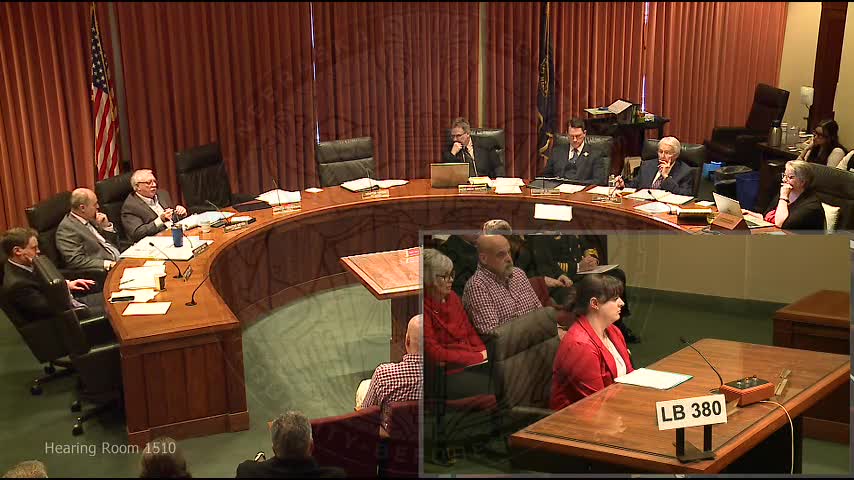
More than a dozen behavioral-health clinicians and several provider groups told the Health and Human Services Committee that Nebraska Medicaid contractors have conducted prolonged and aggressive audits that leave small practices facing large clawbacks and limited appeal remedies. LB381, introduced by Sen. John Frederickson, would impose time and process guardrails on MCO audits.
Under LB381 proponents asked for written justification for audits, a 180-day completion requirement for contractors, a one-year limit on audit lookbacks except in cases of fraud, limits on the number and scope of record requests, and clearer appeals protections so contractors cannot recover payments until appeals are exhausted.
Several licensed practitioners described audits that requested hundreds of records, demanded tens of thousands of dollars in repayment, and took months or years to resolve. Therapist Drew McMillan said audits he faced lasted 12 months and produced a demand for $20,000 in repayment; another practitioner said audits resulted in more than $1 million in recoupment across dozens of providers. Providers described audits done by nonclinical reviewers, denials of informal consultations and NDAs that prevented transparency.
Supporters included the Nebraska Psychological Association, the National Association of Social WorkersNebraska chapter and county-level providers. Mary Kelly of the League of Women Voters cited surveys showing many counties lack mental-health providers and said aggressive audit practices risk further shrinking the provider network. Witnesses said audits have driven clinicians to stop accepting Medicaid or to close practices.
The Department of Health and Human Services and the Nebraska Attorney GeneralMedicaid Fraud and Patient Abuse Unit opposed or raised concerns. DHHS said LB381 would limit the department's ability to perform federally-required program-integrity work and noted the federal government requires extended lookback periods in some audit programs. The AG's Medicaid fraud unit said fraud investigations often require more than a year of review and that a one-year cap could hinder criminal and civil enforcement.
Committee members pressed DHHS and the AG about oversight and appeals procedures and expressed concern at accounts of delayed audits and poor communication. Several senators said they expected DHHS to follow up on providers' reports of inadequate communication and training.
The hearing did not include a committee vote. Proponents filed dozens of written comments and many clinicians gave in-person accounts; DHHS and the attorney general asked legislators to avoid changes that might hamper detection and prosecution of Medicaid fraud.