Get Full Government Meeting Transcripts, Videos, & Alerts Forever!
Get email alerts on the Managed Care Transparency topic
No spam. Unsubscribe anytime.
Bill to strengthen Medicaid managed-care oversight draws broad provider support, DHHS raises concerns
Summary
Senators heard proponents urge LB380 to require greater transparency and statutory guardrails for managed care organizations, especially on rates, parity and network adequacy. DHHS and MCO trade groups warned the bill could limit contractual negotiation and add reporting burdens.
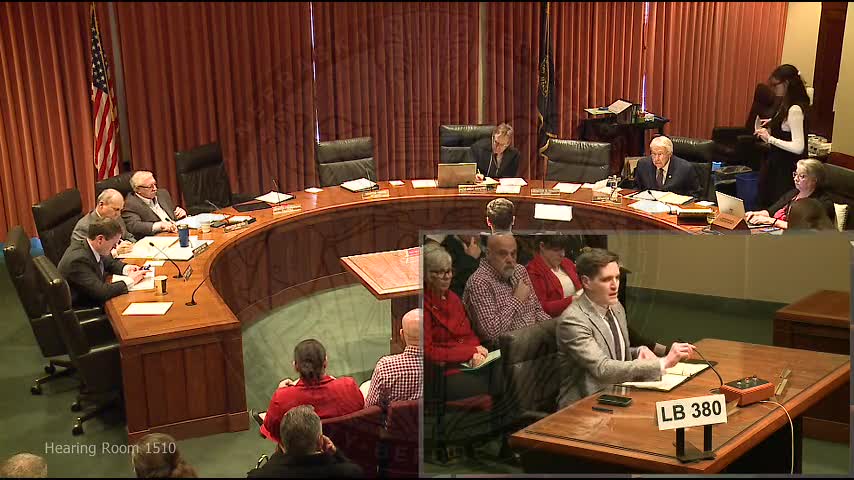
The Health and Human Services Committee heard extensive testimony on LB380, a bill introduced by Sen. John Frederickson to tighten statutory oversight of NebraskaMedicaid managed-care organizations (MCOs), with proponents arguing the measure is needed to protect providers and patients and opponents warning of unintended operational consequences.
LB380 would add explicit statutory expectations for MCOs, requiring that Medicaid providers be paid at rates set or funded by the Legislature, that contract changes be communicated to providers, and that MCOs maintain parity between behavioral and physical health services, make utilization-review policies public and comply with generally accepted standards of care.
Supporters included the Nebraska Association of Behavioral Health Organizations (NABHO), the Council of Autism Service Providers, Nebraska Counseling Association and individual behavioral-health clinicians. Annette Dubas, executive director of NABHO, told the committee that providers have seen lower reimbursement and needed statutory clarity so the legislatureand DHHS know what is expected in contracts. Mike Wasmer of the Council of Autism Service Providers said LB380 would prevent MCOs from cutting rates for applied behavior analysis (ABA) services and would push for stronger network adequacy standards.
Providers from rural Nebraska described difficulties contracting with three different MCOs and inconsistent communications. Kristen Rose, a mental-health practitioner in Sidney, said clinicians are sometimes paid less than negotiated or posted rates and that limited provider networks are a particular problem in rural counties.
DHHS Deputy Director Dree Wgon Shorowski testified in opposition, saying LB380 would restrict MCOsability to negotiate contracted rates and could prevent MCOs from applying medical-necessity criteria for behavioral health services. DHHS also raised confidentiality concerns about some reporting requirements and said that network adequacy is already addressed in MCO contracts with the division.
The Nebraska Association of Medicaid Health Plans and the Medicaid plan trade group also testified, urging caution on measures that would limit MCOs' contracting flexibility, noting MCOs negotiate above and below fee-for-service rates as part of broader cost-efficiency strategies.
Senators pressed both sides with questions about whether the legislature should set a floor for negotiated rates, how to balance rate consistency with competitive contracting, and whether current audit and appeals processes are adequate for providers. Several providers described aggressive audits and clawbacks under separate testimony (heard later on LB381), which helped build momentum for statutory protections in LB380 proponents' testimonies.
No committee vote occurred at the hearing. Proponents filed written comments numbering in the dozens; DHHS and plan representatives asked for a collaborative path forward and noted potential drafting changes to focus the bill on behavioral health reimbursement and communication practices rather than broad rate mandates.