Lifetime Citizen Portal Access — AI Briefings, Alerts & Unlimited Follows
Senate committee hears bill to require landlords to disclose rental 'junk fees'
Loading...
Summary
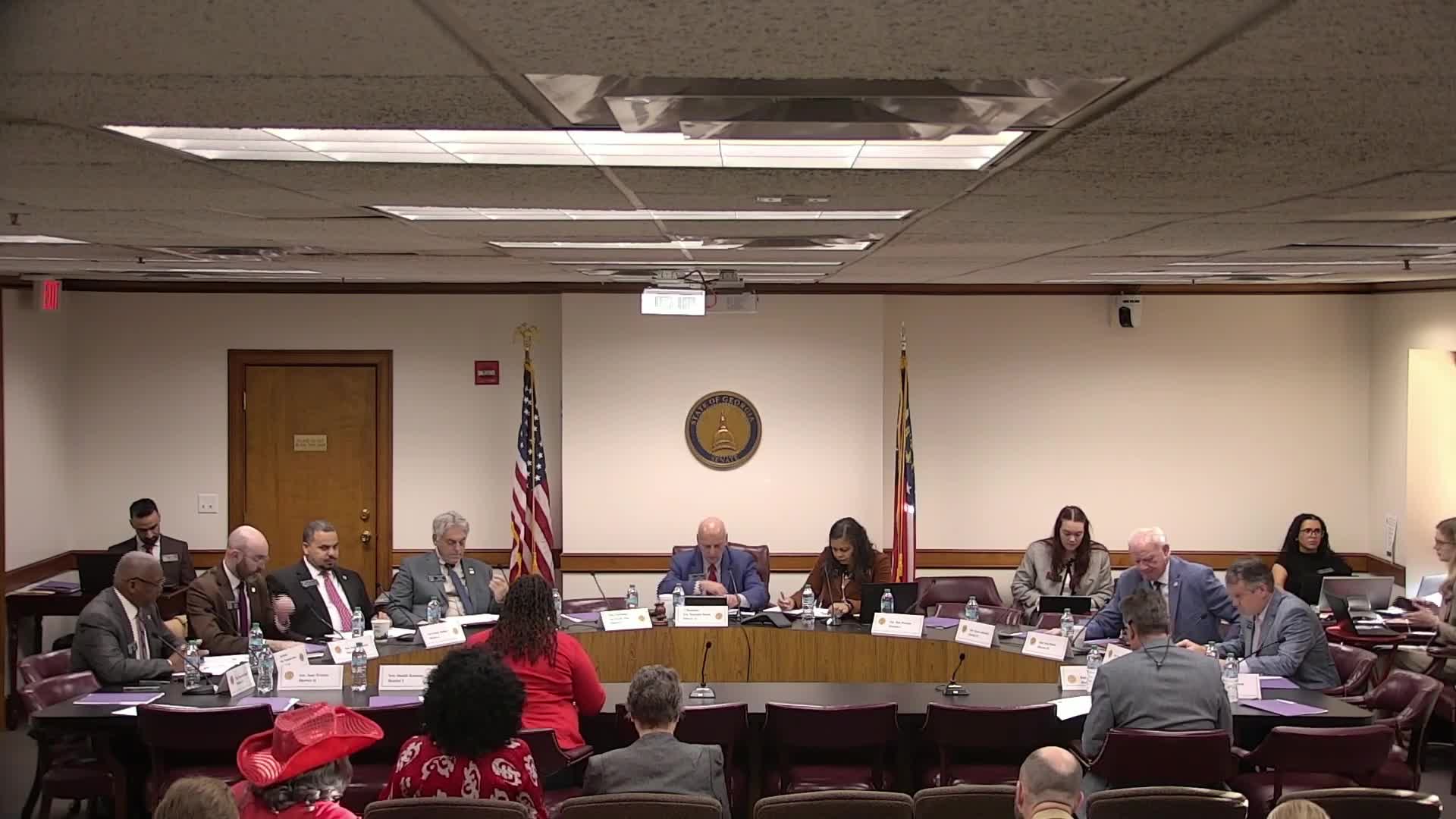
Senator Jackson, sponsor of Senate Bill 251, told the Senate Economic Development Committee that the bill would require landlords to disclose fees that currently can be hidden from prospective renters.
Senator Jackson, sponsor of Senate Bill 251, told the Senate Economic Development Committee that the bill would require landlords to disclose fees that currently can be hidden from prospective renters.
The measure would require that total rent and any mandatory recurring charges — for example, trash service or required third‑party payment surcharges — be disclosed “clearly and conspicuously,” and that fees that are mandatory to live at the property be included in the advertised rent rather than listed separately.
Supporters said the bill targets so‑called “junk fees” that can raise advertised rents substantially and unexpectedly. “We're not talking about [pet fees],” Senator Jackson said. “We're talking about administrative fees, processing fees for paying your rent when the landlord insists that you have to use a particular third party payer ... then there's a surcharge on top of that.” She said the bill leaves room for legitimate charges to exist but requires those charges to be presented up front so renters are not “caught off guard.”
David Wheaton, an attorney with the NAACP Legal Defense Fund, urged a favorable report from the committee, saying junk fees disproportionately harm low‑income and Black renters and can push tenants into rental debt. “Rental junk fees have harmful effects on most renter households, but disproportionately harm the lowest income and most marginalized renters, including Black renters,” Wheaton said in testimony. He cited national estimates and local examples in which advertised rents rose sharply once undisclosed fees were added.
Tenant advocates and researchers also testified in support. Matthew Nursery, an organizer and policy advocate with Housing Justice League, described the bill as a transparency measure “that just says that this is what you are paying for and this is exactly what is going to be in the lease.” Anton Tran, a PhD candidate at Georgia Tech who studies housing data, presented research estimates on household losses to junk fees and described corporate landlords as common sources of those charges. Latrice Chaney, a tenant organizer and eviction defense advocate with Housing Justice League, described personal examples in which advertised rents were far lower than the total move‑in cost after administrative, water, trash, pet and insurance fees were added.
Hayden Stanley, representing the Georgia Apartment Association, said most apartment communities disclose fees and costs to prospective tenants and that the association shares the goal of disclosure. But Stanley asked the committee to use the interim to refine the bill’s language so it does not unintentionally prohibit beneficial arrangements or create unnecessary new liabilities for landlords that already disclose costs.
Committee members asked how the bill would handle short‑term rentals and insurance mislabeling. Senator Jackson said the text covers residential occupancy broadly and includes hotels and short‑term rentals in its disclosure requirements; she also said the attorney general could help identify deceptive insurance practices and that the bill’s language allows enforcement through existing consumer‑protection channels rather than creating a new private‑right‑of‑action in the bill itself.
The committee treated the hearing as a legislative review; committee members and stakeholders agreed to continue work on narrowing definitions and drafting clarity during the interim.
The bill was heard in committee; no committee vote on final passage was recorded at this hearing.
Questions or requested clarifications recorded during the hearing included whether mandatory services (trash, mail handling) must be included in advertised rent, how promotional pricing for apartments interacts with long‑term housing choices, and whether fee disclosures must appear in the rental agreement. The sponsor repeatedly said mandatory charges should be included in the advertised/contract rent and that other charges must be “clear and conspicuous.”
Next steps: committee members said they would work with the sponsor and stakeholders between sessions to clarify definitions and draft technical changes, then consider the bill at a future committee meeting.