Get Full Government Meeting Transcripts, Videos, & Alerts Forever!
Get email alerts on the Civil Rights History topic
No spam. Unsubscribe anytime.
Stillman College leaders recount campus role in 1964 Tuscaloosa protests, unveil photo gallery
Summary
Stillman College leaders told the Tuscaloosa City meeting that students, faculty and staff were central to local 1964 civil-rights actions and presented a gallery of previously unseen photographs documenting marches and the June 9, 1964 "Bloody Tuesday" confrontation.
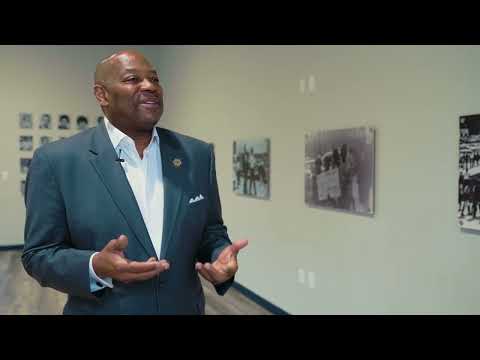
Yolanda Page, president of Stillman College, and Dr. Gordon Govans, an associate professor of history and executive director of faith-based and social justice initiatives at Stillman College, told the Tuscaloosa City meeting that the college’s students, faculty and staff played a central role in local civil-rights protests in 1964 and presented a gallery of photographs documenting those events.
“Stillman College played a tremendous role in the civil rights movement in Tuscaloosa as well as the state of Alabama,” Page said during the public-comment portion of the meeting.
Govans said the college’s participation is documented in scholarship and the newly displayed images. “There would have been no civil rights movement in Tuscaloosa but for Stillman College students, faculty, staff,” he said, citing John Giggie’s book Bloody Tuesday and his own research.
The speakers highlighted two linked episodes from 1964: a march on April 23, 1964, and the larger confrontation known locally as “Bloody Tuesday” on June 9, 1964. Govans said photographs in the gallery show protests at the courthouse on April 23 and that Stillman students made up a large portion of congregants at First African Baptist Church before the June 9 confrontation. He told the meeting that roughly 500 people were packed into the church on that day, and that Stillman students constituted about 300 to 350 of those participants, along with faculty and staff.
Govans credited the discovery of the photographs to the sheriff’s department. He said Deputy Chief Lloyd Baker uncovered documents and images that had not previously been seen and shared them with a local unity group and historians. Research based on those images, Govans said, identified campus faculty including Bill Chase and Jabbeth Hall in some photos.
The presenters described other student-led actions, including protests targeting the Druid Bus Company’s segregation practices, and said campus schedules — notably chapel times — shaped when marches occurred. Govans said Pastor T. Y. Rogers would not schedule marches or protests until Stillman students left classes and chapel, and that organizers timed actions around students’ schedules.
Page and Govans said the gallery’s aim is to expand the photographic record and to commemorate the students, faculty and staff they described as “unsung heroes.” Govans said the gallery is intended both to document Stillman College’s role in local and state civil-rights history and to ensure families and the broader Tuscaloosa community can see and be proud of that legacy.
No formal action, vote, or city directive on the gallery or related historical work was recorded in the meeting transcript.