Get Full Government Meeting Transcripts, Videos, & Alerts Forever!
Get email alerts on the Nuclear Energy Study topic
No spam. Unsubscribe anytime.
Oregon lawmakers hear mixed views on bill ordering state study of nuclear energy
Summary
Supporters told the House Climate, Energy and Environment Committee that Oregon should study nuclear power’s feasibility and benefits; opponents said the bill is biased because it asks only for “advantages” and not disadvantages. Lawmakers signaled willingness to amend the measure to make the study more objective.
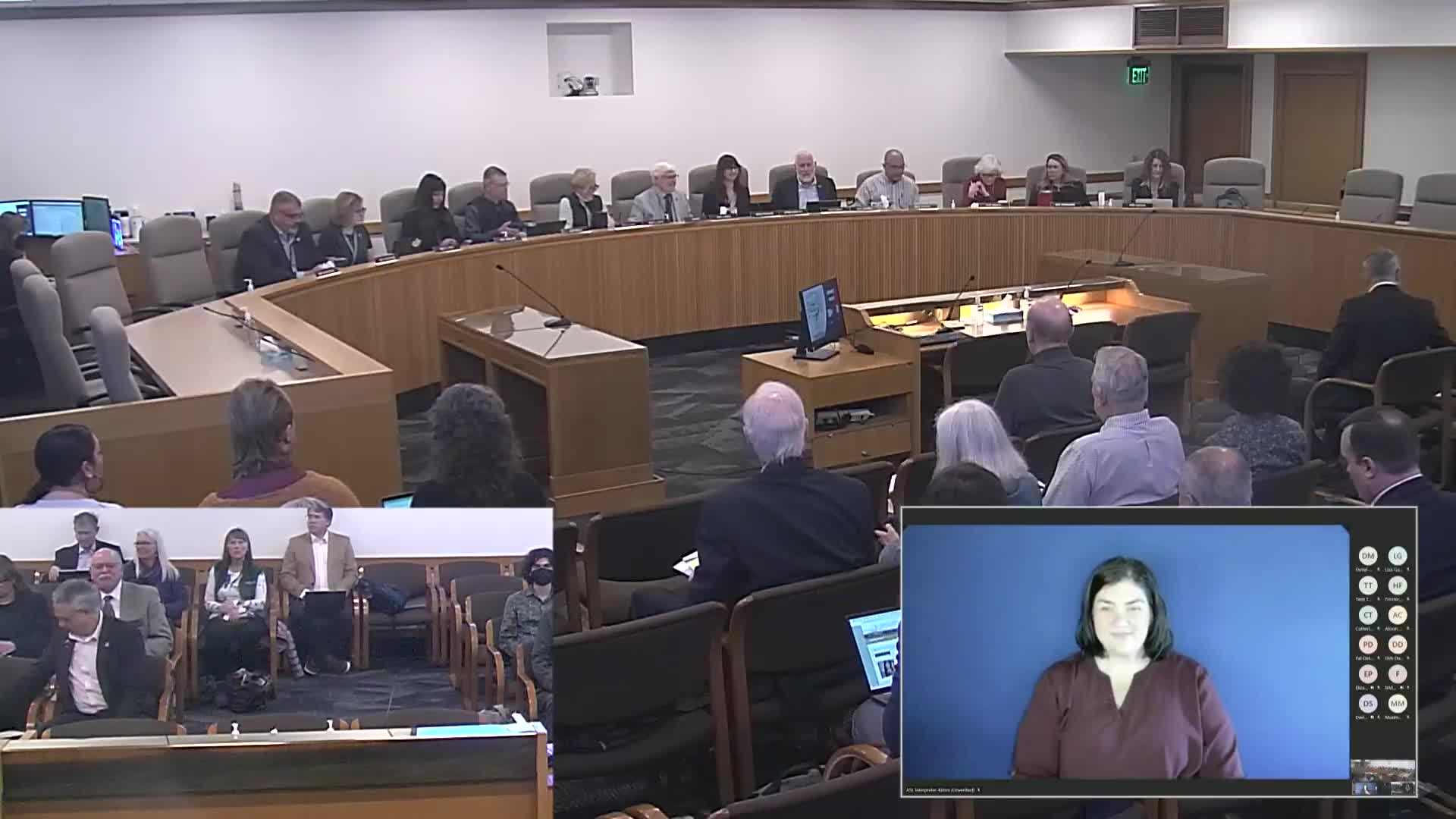
The House Climate, Energy and Environment Committee on Feb. 27 heard competing testimony on House Bill 2,038, a measure that would require the Oregon Department of Energy to study specific aspects of nuclear energy and submit a report by Sept. 15, 2026.
Proponents, including Representative Ed Deal (House District 17), Representative Boomer Wright and Representative Bobby Levy, urged an objective review of modern nuclear technology’s role in Oregon’s energy future. "I firmly believe that our state stands to benefit immensely from a serious in-depth analysis of nuclear energy and all it has to offer," Deal said, adding that nuclear could provide "abundant, reliable, and clean base load power." Representative Wright and Levy likewise emphasized potential economic and reliability benefits.
Opponents pressed that the bill’s current language is one-sided. Kelly Campbell, policy director at Columbia Riverkeeper, said, "Columbia Riverkeeper opposes HB 2,038, which would direct the Oregon Department of Energy to study nuclear power. As several representatives have already noted, the way the bill is written currently is not an objective study." Physicians for Social Responsibility and physicians who testified also urged rejection or amendment, arguing the measure ignores health, safety and long-term waste challenges; Dr. Andy Harris said, "Nuclear energy is touted as, quote, clean energy, but in fact, it is dirty, toxic, and a major health risk."
Committee members flagged the language that instructs ODOE to study the "advantages" of nuclear power and asked that amendments broaden the charge to include disadvantages, feasibility, permitting timelines and alignment with Oregon’s decarbonization goals. Representative Marsh said he would seek amendment language to "position the study in a more objective way," and others including Representatives Gamblin and Anderson voiced similar requests.
The bill text read into the record notes the study topics and sets a sunset for the study requirements on Jan. 2, 2027. The committee opened and then closed public testimony on HB 2,038 within the allotted time; lawmakers directed proponents and opponents to work on amendment language and offered to open a follow-up work session to consider proposed changes.
No formal committee vote was taken on HB 2,038 at the Feb. 27 hearing.
Ending: Committee leaders said they expect draft amendments and will hold further deliberations or a work session to refine the bill before any formal committee action.