Get Full Government Meeting Transcripts, Videos, & Alerts Forever!
Get email alerts on the National Guard Deployment Restrictions topic
No spam. Unsubscribe anytime.
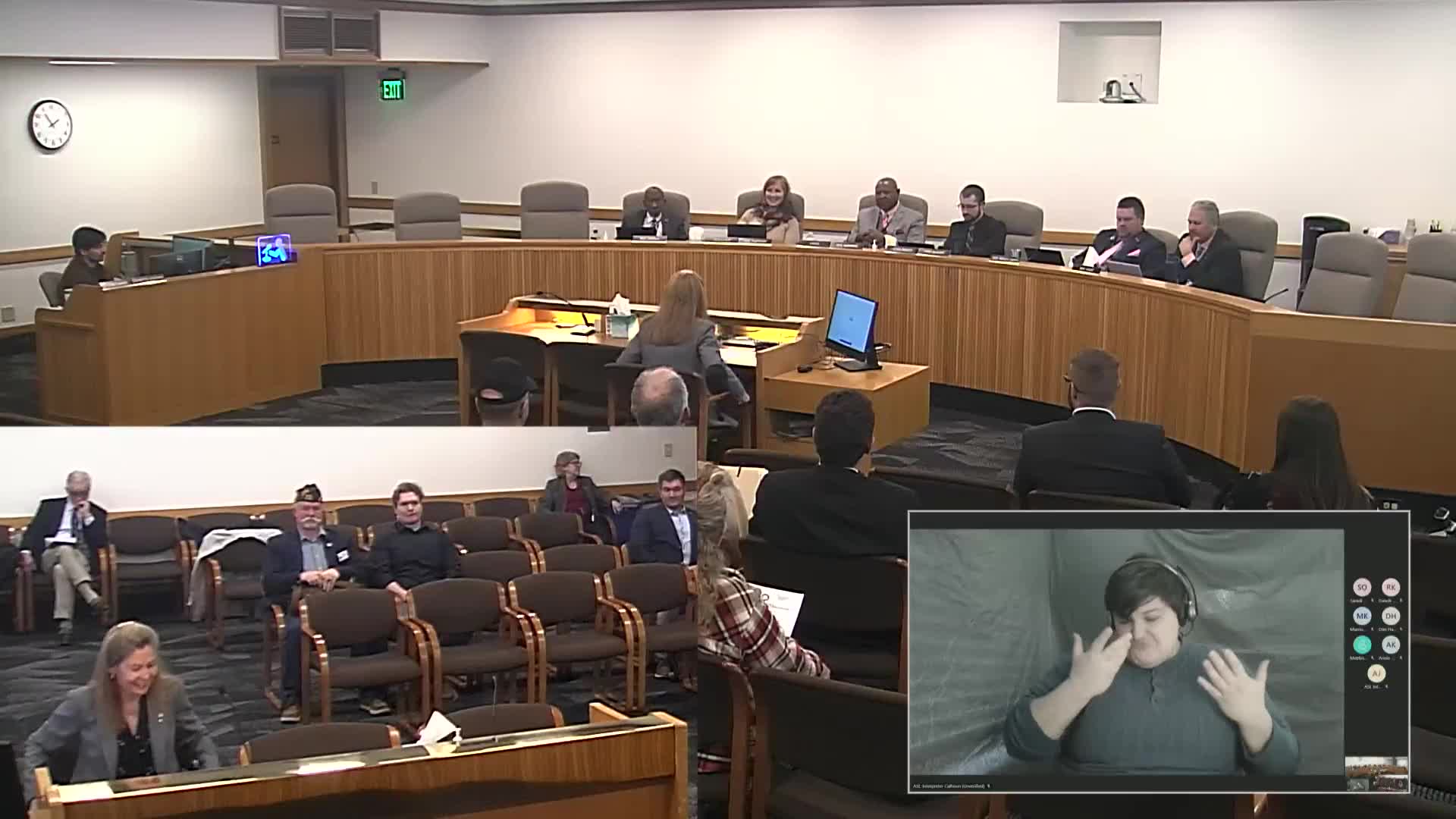
Public testimony supports 'Defend the Guard' bill that would bar undeclared-war deployments of Oregon Guard
Summary
Senate Bill 667, the 'Defend the Guard' measure, would prevent deployment of Oregon National Guard units into armed conflict without a formal declaration of war by Congress; supporters told a Senate committee it would protect Guardsmen and preserve capacity for state emergencies.
Senator Diane Linthicum (R., Dist. 28), sponsor of Senate Bill 667, told the committee the bill—widely called the "Defend the Guard" measure—would bar the deployment of Oregon National Guard units into active combat without a formal Congressional declaration of war.
"This legislation would prohibit the deployment of Oregon's National Guard units into active combat without a formal declaration of war by Congress, as required by Article 1, Section 8 of The U. S. Constitution," Linthicum said. She and other witnesses emphasized the bill would not restrict the president’s or governor’s ability to activate the Guard for domestic emergency response or under Title 32 activations; the bill’s stated purpose is to require congressional approval before sending Guardsmen into armed conflicts outside the United States.
Representative Alex Carlados (House District 4), a former Guardsman who deployed to Afghanistan, testified the Guard is primarily meant to remain in-state for missions such as wildfire response and search-and-rescue and argued recent frequent overseas activations have reduced available forces for state emergencies. "If that were to happen right now today, we would have almost no National Guard inside the state of Oregon to assist with that emergency," he said.
Multiple veterans, veterans' families and peace organizations provided testimony supporting the bill. Speakers raised concerns that deployments have occurred without clear congressional declarations and described consequences for service members and families. Testimony ranged from legal-constitutional arguments to personal accounts of long-term health and family impacts.
Committee members pressed technical questions about Title 10 and Title 32 activations, and Chair Manning clarified the governor cannot unilaterally send troops into combat: Title 10 federal activation places Guard units under the president, while Title 32 typically supports state-controlled domestic missions. Several witnesses and the sponsor acknowledged drafting and scope edits may be needed to align state statute with federal law and to avoid unintended consequences for training or allied-state cooperation.
Ending: The committee closed the public hearing on SB 667 after extensive testimony and discussion and did not take a vote. Staff and the sponsor indicated the bill may be edited to address drafting and governor/command-relationship concerns, and the sponsor expressed willingness to work with legislative colleagues on changes.