Get Full Government Meeting Transcripts, Videos, & Alerts Forever!
Get email alerts on the Anti SLAPP Survivor Protections topic
No spam. Unsubscribe anytime.
Survivor testimony, legal advocates push bill to bar retaliatory defamation suits after sexual-assault disclosures
Summary
SB 180 would prohibit retaliatory defamation suits against people who, without malice and with a reasonable belief, communicate about incidents of sexual assault, harassment or discrimination. Survivors, attorneys and advocacy groups urged the committee to pass the bill to protect people who disclose abuse online or to friends.
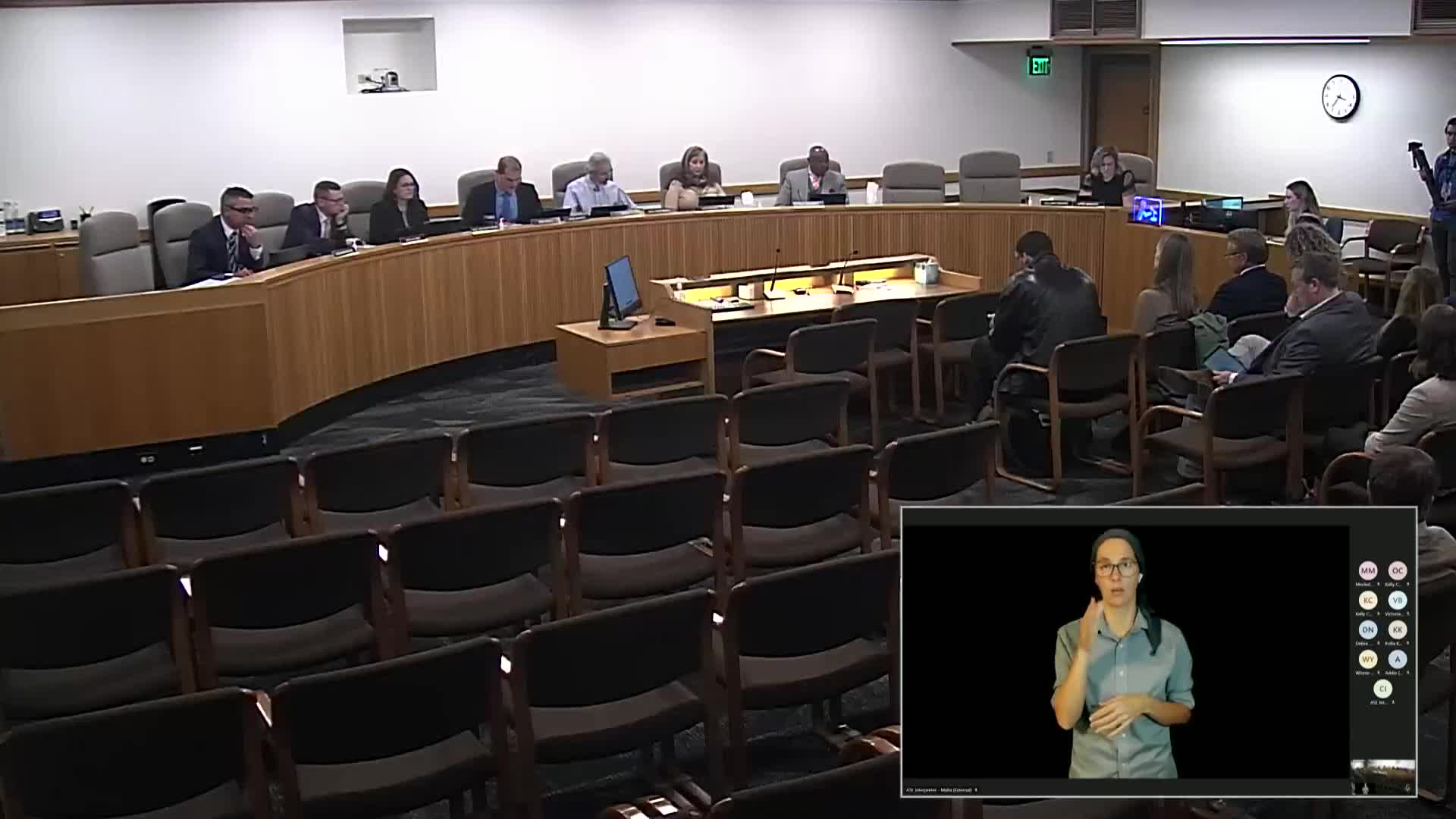
The Senate Judiciary Committee heard extensive emotional testimony Feb. 27 on SB 180, a bill that would prohibit civil defamation suits filed in retaliation against individuals who, without malice and with a reasonable belief, communicate about incidents of sexual assault, harassment or discrimination.
Why it matters: Witnesses said current law leaves survivors exposed to civil litigation that can be used to silence them. Advocates described the financial and emotional toll of defending defamation claims and urged a statutory safe harbor for disclosures made in good faith.
Survivor testimony: Maya (Em) Connes, who was a teenager when she disclosed an assault on Snapchat, recounted being served with a $500,000 defamation claim that led to two years of litigation. "It felt good to get something off my chest," Maya said; instead of relief she and her family endured depositions, mediation and a trial that disrupted her high school years and financial stability. Her mother described the family—s two-year legal and emotional ordeal and said they were forced to take a second mortgage to pay legal costs.
Attorney advocates: Amber Kinney, a civil attorney who previously prosecuted sex crimes and represented Maya in the civil case, said anti-SLAPP protections in Oregon (ORS 31.150) did not dismiss that lawsuit because the statute guards communications to investigative agencies or in judicial proceedings, not the informal disclosures often used by survivors. "We tell them to use their voice and to tell someone if they've experienced an inappropriate touching... But at the same time, we tell them not to speak out because if they do, they may get sued," Kinney said.
Other witnesses included Representative Kevin Mannix and Victoria Burke (an attorney who helped draft similar laws in other states) and advocacy groups such as National Organization for Women (Oregon) and survivors' advocates who supported the bill. Representative Mannix said a simple, focused statutory safe harbor would address the problem and flagged House bill 2300 as related legislative work.
Policy details: Committee staff described a dash-1 amendment that clarifies the bill—s definitions and remedies; the amendment defines incidents covered to include unwanted or coercive conduct of a sexual nature, discrimination as defined by ORS 659A, and unlawful dissemination of an intimate image, and it clarifies available remedies for prevailing defendants. Some senators expressed interest in whether amending the existing anti-SLAPP statute might suffice or whether a targeted statutory safe harbor is preferable given modern patterns of disclosure (social media, friends, counselors).
Ending: The committee did not vote on SB 180 on Feb. 27. Sponsors and a range of advocates urged further work on statutory language to protect survivors from weaponized defamation suits while preserving available legal remedies for false statements.