Get Full Government Meeting Transcripts, Videos, & Alerts Forever!
Get email alerts on the Ambulance Balance Billing topic
No spam. Unsubscribe anytime.
Oregon committee hears broad support and insurer concern over bill banning surprise ground ambulance bills
Summary
Lawmakers and stakeholders debated House Bill 3,243, which would ban balance billing for ground ambulance services and set a fallback reimbursement rate; proponents urged patient protections and local-rate recognition, insurers warned of premium and administrative impacts.
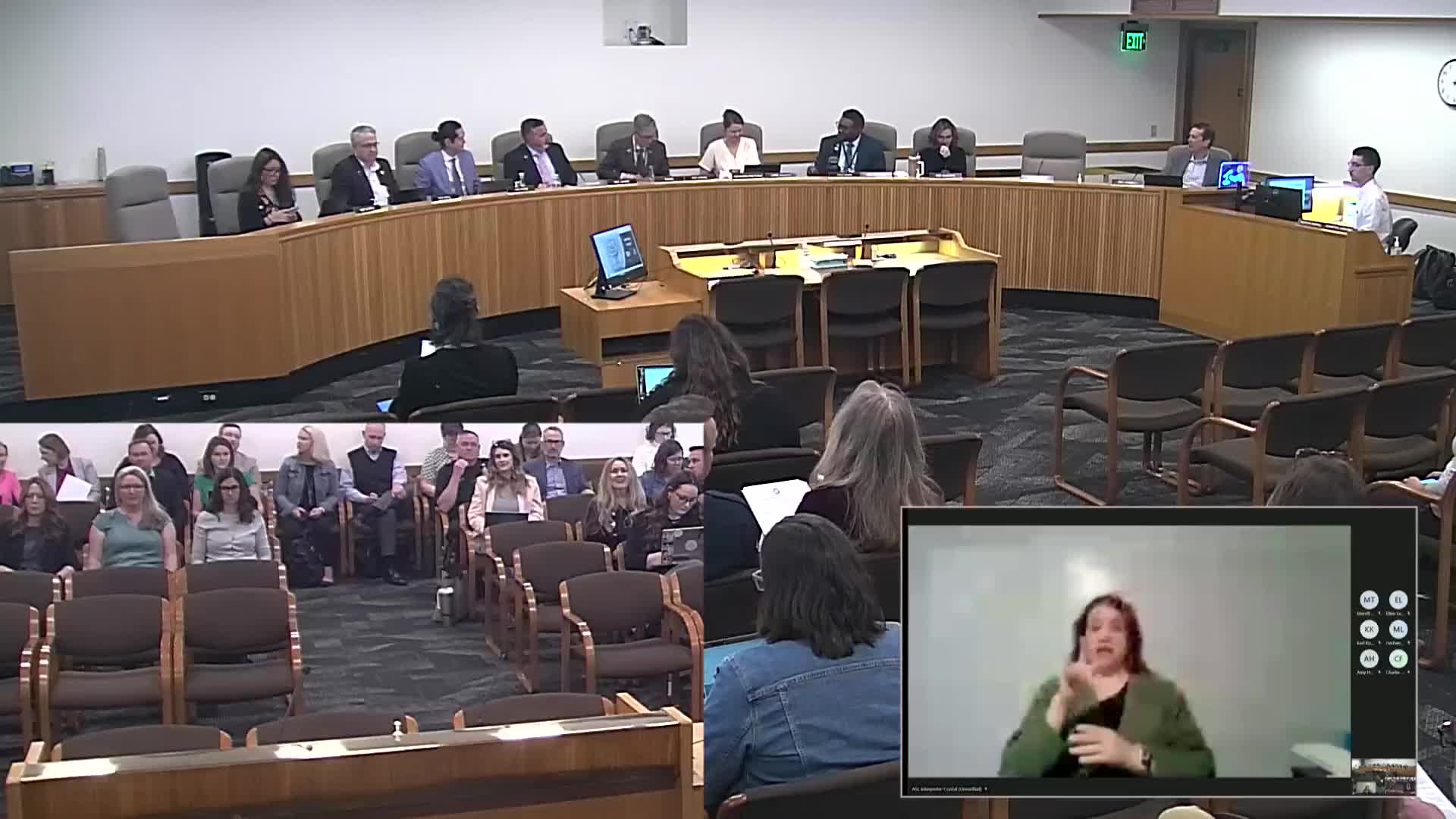
Representative Rob Nose, chairing the committee, opened public testimony on House Bill 3,243, saying the bill would “take patients out of the middle by banning balance billing and instead setting a reasonable reimbursement rate that insurers will have to pay to these providers, the ambulance services.”
Supporters — including the Oregon State Ambulance Association, municipal ambulance providers and statewide public-safety groups — told the committee HB 3,243 would protect patients who have no choice about which ambulance responds to a 911 call. Sabrina Riggs of the Oregon State Ambulance Association said Oregon’s earlier balance-billing laws and the federal No Surprises Act left a gap for ground ambulance services and that local governments already set area rates through a public process. “Local rates reflect local costs to provide care and are a critical piece of the reimbursement structure in this bill,” Riggs said.
Sean Baird of Woodburn Ambulance, who served on the federal advisory committee that studied ground-ambulance billing, described why a locally based rate matters: service costs vary by distance to hospitals, required staffing and response times. “That’s why the committee really felt that the primary approach to deciding what an appropriate reimbursement level is is what level of service is required to take care of patients,” he said.
Eugene Springfield Fire’s deputy chief Chris Supple described Eugene’s public process for setting ambulance fees and asked lawmakers to preserve local control. Multiple witnesses — including the Oregon Fire Chiefs Association and the Oregon State Firefighters Council — argued that some government and fire-based EMS providers use levies or bond support and that local rate-setting accounts for those differences.
Insurers and their trade groups urged caution. Rick Blackwell of PacificSource and Mary Ann Cooper of Regence Blue Cross Blue Shield said the bill’s fallback reimbursement levels (the draft referenced 325–400% of Medicare) are higher than many current payments and could raise premiums and administrative burdens. Cooper told the committee that allowing “local governments to be solely responsible for setting rates may reduce their incentive to fully fund their share of ambulance services,” and that tracking hundreds of local rates would be administratively difficult for carriers.
Representatives pressed both sides on practical points: who chooses the ambulance that responds (county or local authority, not the patient), how interfacility transfers are covered, and whether co‑op or membership plans would be affected. Insurers said some plans already reimburse ambulance claims through allowed amounts and that automating payments to hundreds of local rates would require complex systems changes.
Proponents said the draft amendment being negotiated narrows disputes: it clarifies that locally established rates must be publicly set and cost‑based, aligns any fallback rate with neighboring states (supporters proposed reducing a previously proposed 400% Medicare fallback to 325%), and times an effective date to new plan years to limit market disruption.
The committee did not take a final vote. Chair Rob Nose closed the hearing after extensive testimony and said parties were continuing negotiations on an amendment posted in concept on OLIS.