Get Full Government Meeting Transcripts, Videos, & Alerts Forever!
Get email alerts on the Retail Incentives Housing topic
No spam. Unsubscribe anytime.
Committee advances SB 280 to ease retail‑incentive rules, allows nearby housing option
Summary
The committee gave SB 280 a favorable recommendation 4–1. The bill narrows reporting requirements, creates a six‑month safe harbor for audits by the economic development office, and permits required affordable housing to be built within a quarter‑mile of a retail development rather than only inside the development.
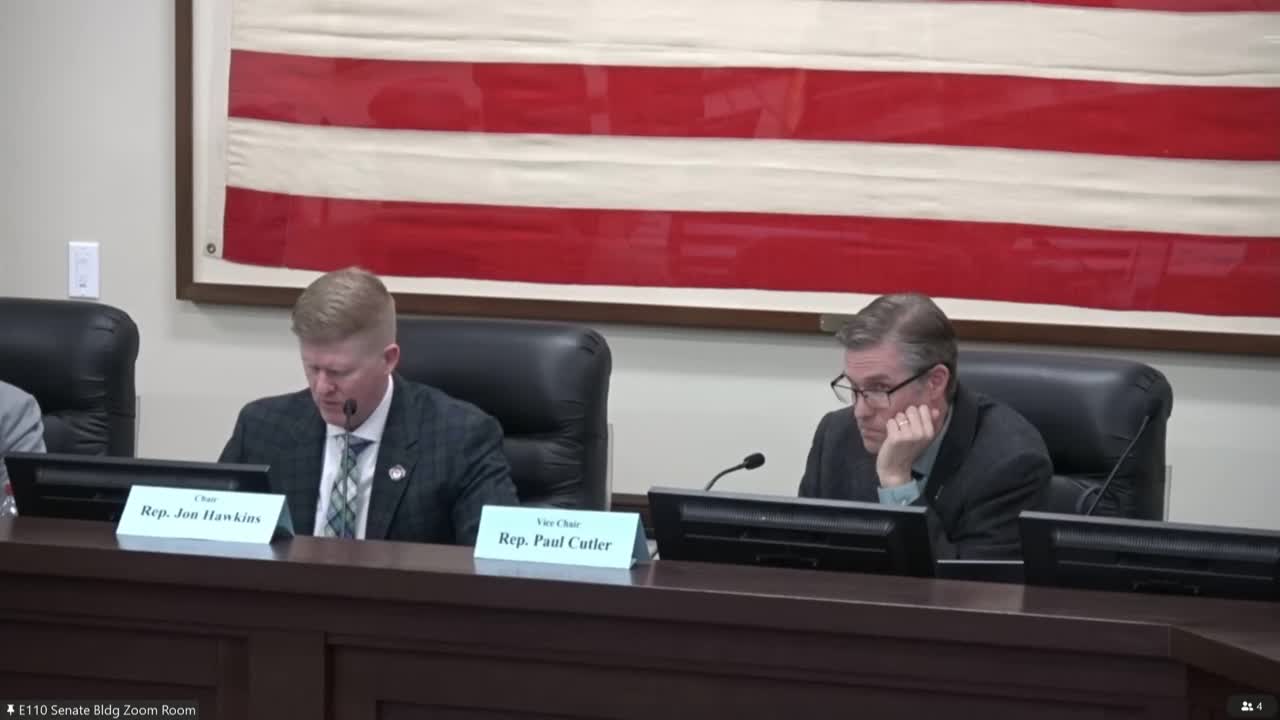
The House Economic Development and Workforce Services Committee on Friday voted 4–1 to favorably recommend SB 280, a bill that modifies the state’s rules for local retail incentives and clarifies the affordable‑housing component required for certain incentive packages. Representative Owens moved the motion; Representative Shelley cast the lone dissenting vote.
Sponsor Senator Vickers told the committee SB 280 is meant to fine‑tune a 2022 package of changes (referenced in committee discussion as HB 151) that reined in what local governments could offer to attract big‑box retail. "We actually put a narrowing of what could be done… and it was effective but maybe a little bit too effective," Vickers said, describing SB 280 as a recalibration that preserves the original intent while adding clarity.
Key provisions: The bill would allow the affordable‑housing component to be located within a quarter‑mile of the retail development rather than required to be within the retail parcel itself. It also adds a reporting and audit process handled by the Governor’s Office of Economic Development; under the bill, communities that submit required reports would receive a "safe harbor" if the office does not respond within six months, treating the city as compliant for audit purposes.
Supporters said the changes ease implementation burdens and are largely technical clarifications. Carson Eilers of the Utah League of Cities and Towns told the committee the bill "makes mixed use a little bit easier for local governments to do" and described the measure as technical cleanup to align practice with intent. Dave Davis, president of the Utah Retail Merchants Association, said the six‑month cutoff for audits is "really helpful for the cities" and that allowing housing within a quarter‑mile will help developers and communities meet the housing component requirement.
Opposition and concerns: Representative Shelley said she likely would vote against the bill in committee to preserve floor time for mayors and local leaders who raised concerns in earlier discussions, indicating she wanted to discuss the bill further with municipal officials.
Outcome and next steps: The committee favorably recommended SB 280 to the full House by a 4–1 vote, with Representative Shelley voting no. The bill will advance to the House for further consideration under regular procedures.