Get Full Government Meeting Transcripts, Videos, & Alerts Forever!
Get email alerts on the Medication Assisted Treatment topic
No spam. Unsubscribe anytime.
Committee backs rules to protect patients on medication‑assisted treatment in residential programs
Summary
Senate Bill 65 would require the Office of Substance Use and Mental Health to create rules ensuring people on medication‑assisted treatment (MAT) are not forced off medications as a condition of entering or completing publicly funded residential treatment; the committee advanced the bill and later placed it on consent.
SALT LAKE CITY — The House Health and Human Services Committee voted to favorably recommend Senate Bill 65 (second substitute), which directs the Department of Health and Human Services to establish rules for medication‑assisted treatment (MAT) in residential treatment programs and recovery residences that accept public funds.
Sponsor Senator Plumb told the committee the rules aim to prevent programs from requiring people who are stable on opioid‑use‑disorder medications (such as methadone or buprenorphine) to stop those medicines to enter or complete residential care. Supporters said that forced discontinuation increases the risk of overdose when people leave treatment.
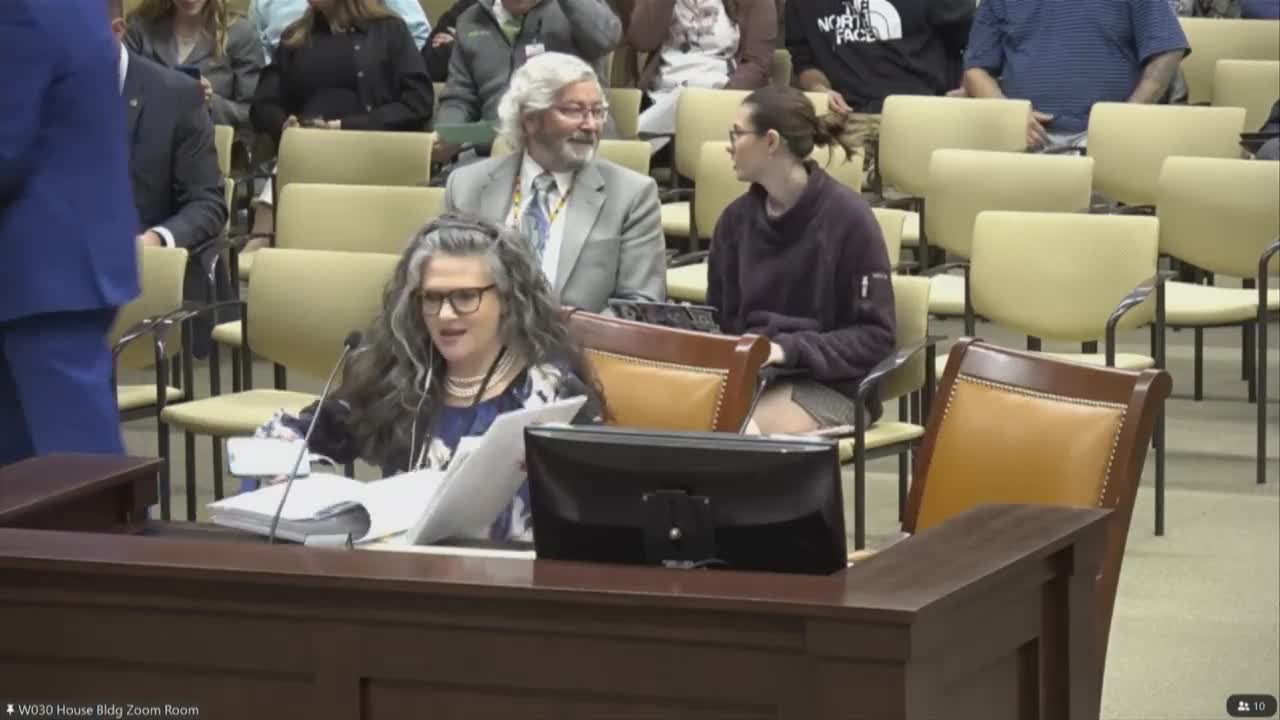
Testimony came from treatment providers, people with lived experience and advocacy groups. Evan Doan of Utah Support Advocates for Recovery Awareness called MAT a lifesaving, evidence‑based approach. Danielle Davidson of The Haven and Adam Cohen of Odyssey House told lawmakers that denying MAT in residential settings can raise post‑treatment overdose risk. The Utah Substance Use and Mental Health Advisory Committee also voiced support, citing research that buprenorphine reduces overdose risk by 50–80 percent.
Senator Plumb said the bill applies to programs that accept public funding through the Office of Mental Health and Substance Use (the bill covers roughly a defined set of providers) and clarified that private programs that do not accept public funds may follow different protocols.
Representative Clancy moved the committee recommendation; the committee approved the bill (second substitute) and later voted to place it on the consent calendar. Committee members noted there was broad agreement from public providers and stakeholders during prior Senate consideration.
The bill was advanced to the next stage with an 11‑vote favorable recommendation; the committee also placed the bill on consent later in the meeting.