Get Full Government Meeting Transcripts, Videos, & Alerts Forever!
Panel urges foster youth to confirm educational-rights holders, outlines AB 216 credit option
Summary
Panelists with lived experience described how educational-rights holders can support foster youth, explained AB 216 as an option to reduce credit requirements for students who missed school due to foster care or court involvement, and urged youth to consult social workers or attorneys if they need to change their educational-rights holder.
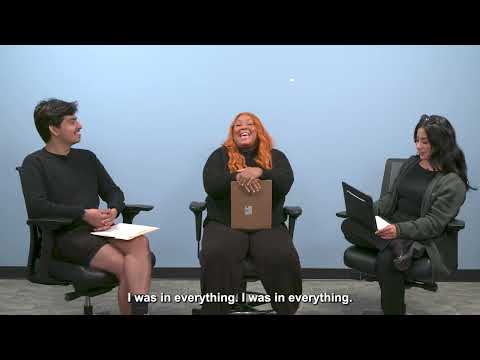
During a recorded panel discussion, Sherry Bradford, an educational-rights advocate and panel host, and two panelists with lived experience reviewed what an educational-rights holder is, how the role affects foster youth’s access to school services, and how AB 216 can provide an alternative path to a diploma for students who missed credits because of court, placement or probation-related absences.
Panelists said the education-rights holder is the person who advocates for a student’s schooling when a parent cannot, and that foster youth often do not know who holds that role. "If the court has not taken educational rights from your parents, then they hold these rights even if you're not living with them," Bradford said, explaining the basic legal framework the panel provided at the start of the session.
The discussion centered on why an advocate matters. Elizabeth, who identified herself as an educational-rights holder and panelist, described…
Already have an account? Log in
Subscribe to keep reading
Unlock the rest of this article — and every article on Citizen Portal.
- Unlimited articles
- AI-powered breakdowns of topics, speakers, decisions, and budgets
- Instant alerts when your location has a new meeting
- Follow topics and more locations
- 1,000 AI Insights / month, plus AI Chat