Get Full Government Meeting Transcripts, Videos, & Alerts Forever!
Get email alerts on the Ev Charging topic
No spam. Unsubscribe anytime.
Port Energy and East Coast Renewable Energy pitch zero‑out‑of‑pocket EV charging rollout at county sites
Summary
Presenters from Port Energy and East Coast Renewable Energy proposed using MassEVIP and utility incentives to install level‑2 chargers at public county properties at no upfront cost for many sites; commissioners requested site surveys and deferred a decision until the full board could weigh in.
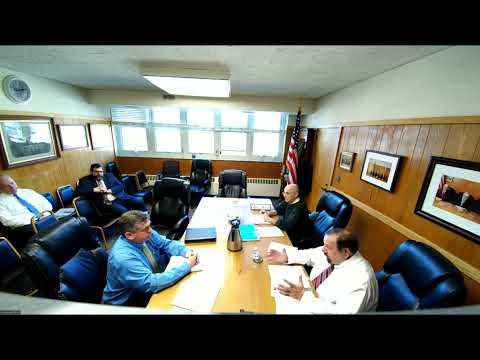
Representatives from Port Energy and East Coast Renewable Energy presented a proposal Feb. 26 to install electric vehicle charging stations at Norfolk County properties, saying a MassEVIP rebate and investor‑owned‑utility programs could fund installations with little or no out‑of‑pocket cost for many sites.
Presenters and credentials: Ed McClellan represented Port Energy; Nick Filuri identified himself as owner and president of East Coast Renewable Energy (ECRE) of Milford, Massachusetts; and Robert Quintel introduced himself as head of the EV division within ECRE (EBSC Solutions).
What they proposed: the companies described a “starter kit” for public sites that would typically electrify four parking spaces per county address (two dual‑port level‑2 stations). They said MassEVIP (the Massachusetts Electric Vehicle Infrastructure Program) and other incentive programs can substantially reduce capital costs. Under the scenario the presenters described, sites meeting certain conditions could be installed at “0 out of pocket cost,” with the county owning the chargers after turnkey installation. They said the network provider would take about 10% of driver revenue and return roughly 90% to the county; software would handle payments, idle fees and variable pricing.
Presenters stressed application details: level‑2 chargers are aimed at locations with longer dwell time (courthouses, parks, libraries, golf courses) and typically take hours to add range; DC fast chargers (for road‑tripping) require more electrical infrastructure and were largely subscribed under utility incentive programs. The presenters said DC fast programs had been heavily oversubscribed and that MassEVIP funds make level‑2 projects the most practical near‑term option.
Local context and potential sites: commissioners and staff identified candidate county properties for initial site surveys, including court buildings, the registry of deeds, a school and the county golf course. The presenters said they could typically survey several sites in a day if county staff provided site access and electrical‑panel information. They estimated that 60–70% of site surveys would fit the zero‑out‑of‑pocket assumptions; the remainder would show additional costs requiring separate bids.
Next steps: commissioners asked to pause final action until the full chair and the rest of the board could weigh in; the presenters were asked to provide written materials and to schedule site walks. The presenters said they could begin site surveys once county facilities staff coordinate access and provide bill information and panel details. The presenters also noted that the availability of utility rebate money is first‑come, first‑served and urged timely engagement for high‑priority locations.
Ending: Commissioners did not approve any installations at the meeting; they asked presenters to return with a prioritized site list, supporting documentation, and to schedule site walkthroughs for two to three weeks after the board gives authorization to proceed with surveys.