Get Full Government Meeting Transcripts, Videos, & Alerts Forever!
Get email alerts on the Budget Midyear topic
No spam. Unsubscribe anytime.
Midyear report: Roseburg general fund healthy; ARPA transfers used to cover personnel costs
Summary
City staff presented the Dec. 31 midyear (pre-audit) financial snapshot showing higher revenue year-to-date driven by property tax receipts, ARPA transfers used to cover personnel costs, and positive fund balances; staff reviewed fund-by-fund results and flagged timing lags for state-shared revenues.
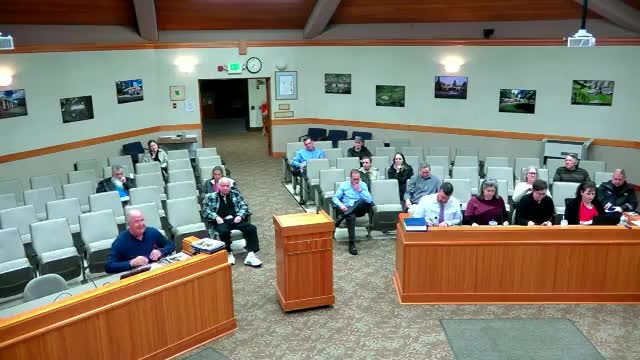
City finance staff presented a midyear (Dec. 31) financial snapshot at the Feb. 24 council meeting showing the general fund and several enterprise and capital funds in a stable position, while explaining timing differences for state-shared revenues and one-time transfers from American Rescue Plan Act (ARPA) funds.
In brief: finance staff said the general fund had collected roughly 76% of its budgeted revenue by Dec. 31 (driven by property-tax receipts that arrive late in the calendar year) and spent about 42% of budgeted expenditures. Midyear numbers are pre-audit and use modified accrual accounting conventions; staff warned some revenue lines show low percentages at midyear due to state and utility reporting lags.
ARPA transfers and use: staff told council that the city transferred ARPA funds into the general fund to cover personnel costs and then re-budgeted that capacity into capital and other categories. "That $2.5 million is covering the general fund personnel expenditures," staff said, noting that transfers reduced the ARPA balance and that future interest earnings will be lower because of the smaller balance.
Major fund notes: staff summarized activity in the urban renewal, equipment replacement, facilities replacement, transportation, storm drainage, water, off-street parking and airport funds. Highlights included: - General fund fund balance end-of-year (audit basis) near $13 million and a year-to-date positive change in net position on a full-accrual basis. - Transportation fund and urban renewal collections were in line with expectations given state timing on gas, franchise and tax-increment receipts. - Storm and water enterprise funds showed planned capital activity underway (stormpipe replacements, water main projects) and year-to-date balances consistent with planned projects. - Airport fund revenues reflected user fees while larger FAA construction grants are budgeted as reimbursement grants that will be recognized as work is completed.
Why this matters: the midyear report gives the council a checkpoint to see whether revenues and expenditures are tracking to budget and to flag any capital projects or transfers that will affect year-end reserves. Staff recommended continuing with the upcoming budget calendar and highlighted key dates for council review and the budget hearings in April and June.
Council discussion: councilors asked clarifying questions about specific line items (for example, why a storm-sewer mileage figure changed in the statistical appendix and the timing for FAA grant reimbursements). Staff said some figures changed after GPS mapping of infrastructure and that FAA grants are reimbursement-based and are "obligated" but not recognized until expenditures occur.
Ending: staff closed by pointing councilors to the full quarterly financial report and invited members to attend a budget training session scheduled ahead of the formal budget hearings.