Get Full Government Meeting Transcripts, Videos, & Alerts Forever!
Get email alerts on the School Budget topic
No spam. Unsubscribe anytime.
Tacoma officials warn of deep state shortfall, say district must trim discretionary spending
Summary
Chief Financial Officer Ross told the Tacoma School District board the state faces a multibillion-dollar shortfall and the district’s reserve could fall below required levels, prompting plans for “discretionary clawbacks” and difficult program choices ahead of the 2025–26 budget adoption.
Chief Financial Officer Ross told the Tacoma School District board on Thursday that the state is projecting a growing budget shortfall and the district faces difficult choices as it prepares the 2025–26 budget.
Ross said the district is working under the assumption of a $15 billion shortfall at the state level and is “looking to be less than a 2%” reserve for the coming year, below the district’s preferred range. He said the district will use guiding principles to prioritize spending and expect to pull back unallocated discretionary dollars to avoid an unbalanced budget.
The warning came during a financial update on the district’s budget calendar and timeline. Ross said the board’s intended adoption date is July 10, with a May 15 deadline for announcing any reductions in force that would affect teacher contracts. He noted the legislature’s Sine Die date is April 27 but cautioned lawmakers often run past scheduled deadlines, complicating local planning.
Why it matters: The superintendent and board must adopt a balanced budget by state law; if the district’s reserve weakens further, officials said they may need to reduce programs or services. Ross described “discretionary clawbacks” as pulling unspent supplies, travel and contract funds back into central control and allowing managers to request exceptions when a genuine need exists.
Ross gave examples of rising, largely uncontrollable costs — food, utilities and insurance premiums — and said those increases are outpacing state adjustments for inflation. “We have to adjust and there’s no opportunity to increase revenue,” he said. Ross also said the district expects to receive limited relief if the state’s incremental aid (for example, supply and operating cost increases) is not sufficient. He noted a recent state proposal that would have allocated $5 million statewide for one cost category; by Ross’s calculation Tacoma would receive “less than a hundred and $50,000,” an amount he said would not materially address district needs.
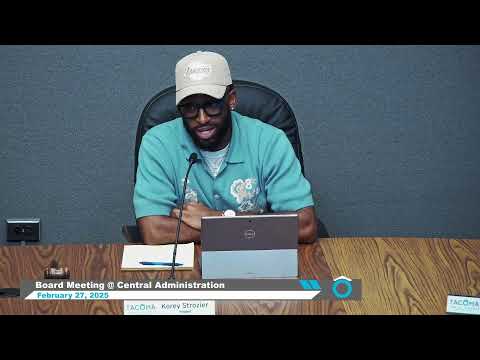
Superintendent Garcia, who interjected at times during the presentation, urged the board and community to view the district’s financial stress in the context of state and federal uncertainty and said that even a governor’s pledge to “maintain funding” can still leave districts with net losses when inflation and local cost pressures are considered.
Board member Josh, who took part in the discussion, said enrollment trends provide some relief: the district’s demographer projects a slight enrollment increase, so Tacoma is not facing the enrollment-driven cuts some other districts are. That, Ross said, helps stabilize revenue but does not eliminate the broader funding gap.
Ross said the district has already reduced central administrative staff from roughly 232 positions in 2018 to 181 now and has otherwise prioritized keeping cuts away from classrooms. Still, he warned that if the state does not provide sizable adjustments for special education, transportation and maintenance/operations, the district will have to propose “significant impacts” in the coming spring budget recommendations.
The board was told the district will publish public materials and host advisory committee meetings as the budget process continues. Ross also said the district had been offered two electric buses via a grant, which has prompted a separate fund budget extension request presented later in the meeting.
Board members and staff urged the public to contact state legislators as the district’s ability to protect programs depends largely on state budget choices.
Looking ahead: The board will review detailed budget proposals and advisory committee feedback in coming weeks and must adopt a budget by state deadlines even if the legislature’s actions remain unresolved.