Get Full Government Meeting Transcripts, Videos, & Alerts Forever!
Get email alerts on the Estate Law Electronic Wills topic
No spam. Unsubscribe anytime.
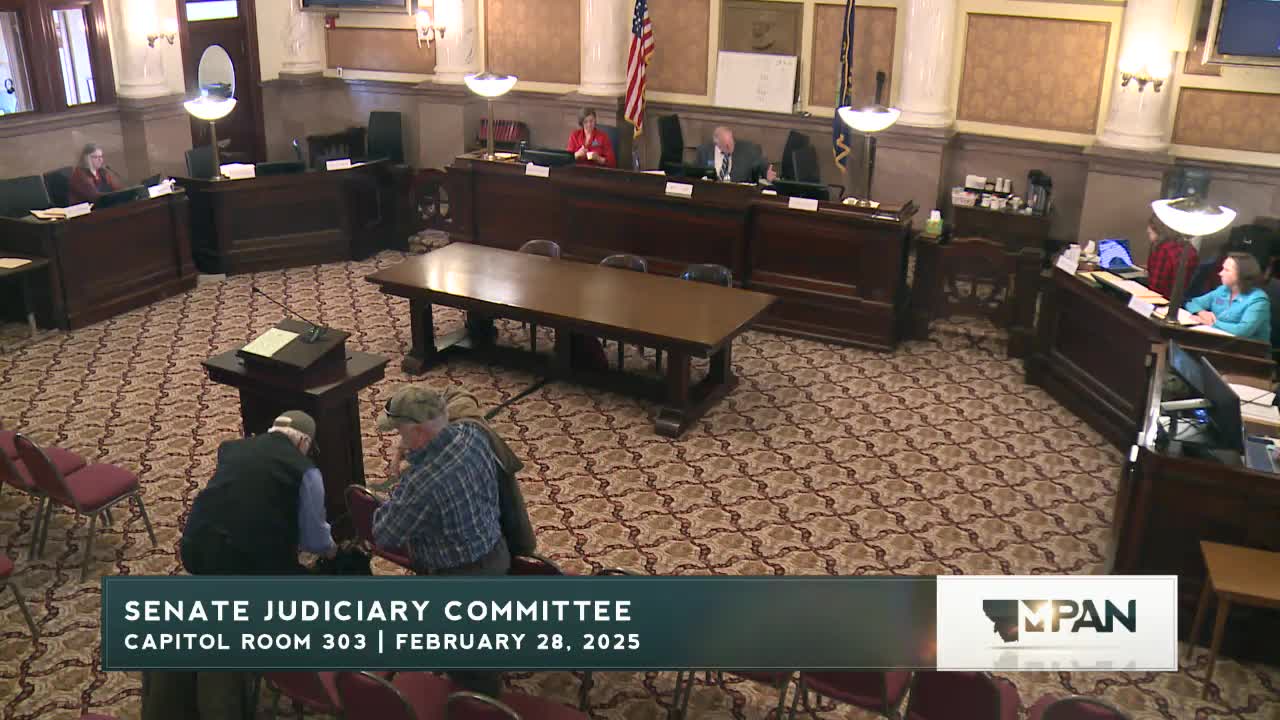
Committee advances bill to allow some audiovisual wills, opponents urge caution over fraud and AI risks
Summary
Senate Bill 411 would recognize audiovisual "wills" in limited circumstances. Supporters said it helps people who die suddenly without formal estate documents; opponents, including estate attorneys, urged caution and recommended following the Uniform Electronic Wills Act instead of immediately authorizing audio-only wills.
Senate Bill 411, sponsored by Sen. Jeremy Trebas, would expand the legal recognition of testamentary intent by allowing audio-visual evidence to serve as a will in limited circumstances.
Trebas told the committee the bill aims to respect the last wishes of people who lack a formal written will — often because they died unexpectedly — and said the measure could be a practical protection for those who record instructions but do not complete statutory formalities.
Opponents included estate-planning attorneys who urged caution. Attorney Keith Tokerud, speaking for the State Bar’s estate section, said no jurisdiction currently recognizes audio-only recordings as a valid will without stricter formalities. He recommended the Uniform Electronic Wills Act, which requires a visual component plus witness/attestation safeguards. Opponents also warned about deepfake and AI risks, noting a recording could be forged and later presented as a decedent’s intent.
Sen. Trebas said he supports working with the bar and recommended a narrowly drawn measure with safeguards; several committee members noted they preferred working through the uniform act process but that they also wanted a legislative path forward. The committee did advance the bill to the Senate floor.
Ending: The bill passed the committee and will face additional scrutiny on the Senate floor, where sponsors and opponents said they expect to pursue clarifying amendments or adopt uniform-act language before final passage.