Get Full Government Meeting Transcripts, Videos, & Alerts Forever!
Get email alerts on the Labor Travel Meal Allowance topic
No spam. Unsubscribe anytime.
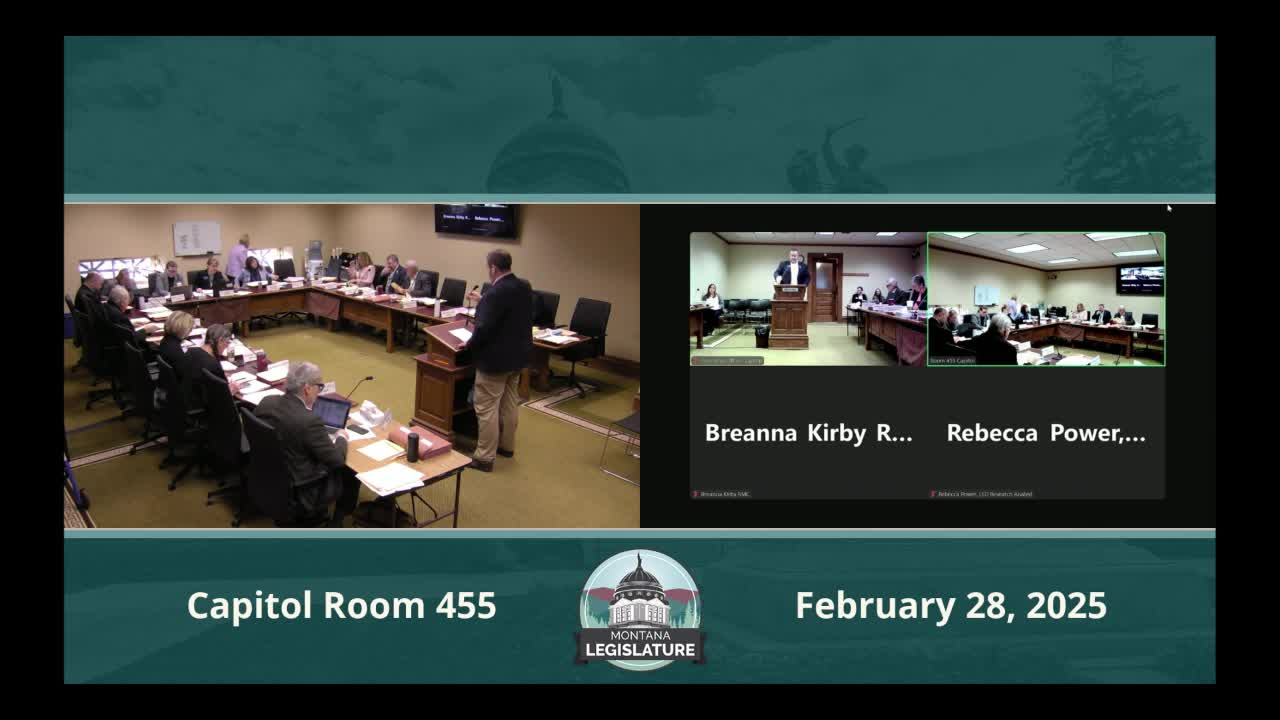
Committee backs bill to extend meal allowances for night‑shift state road crews
Summary
House Bill 769 passed the committee to give night-shift road construction crews the same travel-day meal allowances as day crews, supporters said, closing an equity gap for workers asked to do overnight travel and long shifts.
The House State Administration Committee approved House Bill 769, which adds a midnight meal allowance to existing state travel and per diem rules so road construction crews working overnight would be eligible for the same benefits as daytime crews.
Sponsor Rep. Julie Matthews said crews sometimes work 14‑ to 16‑hour days on night projects and then return home; current travel rules do not consistently provide full-day per diem for those night shifts. Department of Transportation representatives, union leaders and road construction workers testified in favor.
Deputy Director Larry Flynn and union representatives from Local 3511 described the work conditions and said the change would be a narrow, targeted correction to align benefits with the way work is scheduled. Testimony said the fiscal impact should be minimal because the affected population is small.
Committee outcome HB 769 passed in executive action and will move to the House floor. Committee members asked for a fiscal note during hearings; witnesses said department estimates indicated a modest cost and suggested other agencies with night-shift staff could see similar, small impacts.
Opposition No opponents raised hands during the hearing.
Next steps The bill will be scheduled for House floor consideration. DOT and affected agencies may be asked to provide a fiscal estimate during later stages of consideration.