Get Full Government Meeting Transcripts, Videos, & Alerts Forever!
Get email alerts on the Disability Services Budget topic
No spam. Unsubscribe anytime.
Senate approves net‑zero budget adjustments for State Independent Living Council
Summary
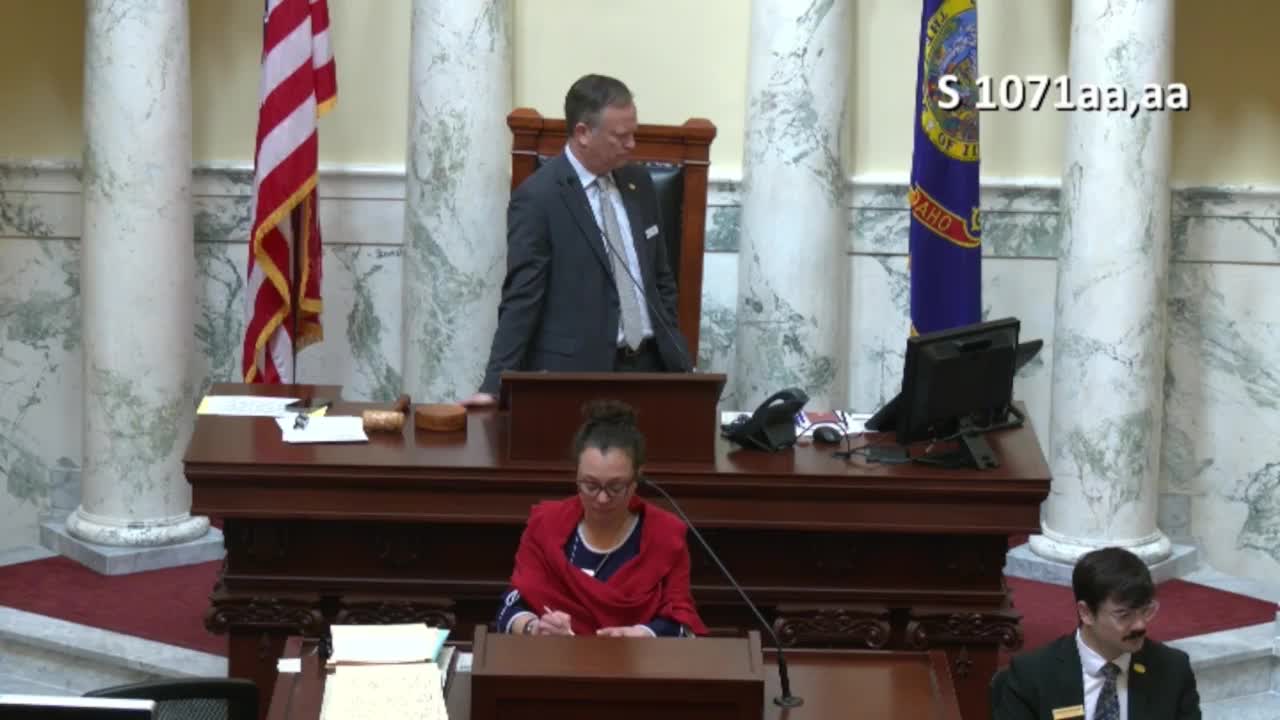
Senate Bill 11‑32, making ongoing and maintenance budget shifts for the Idaho State Independent Living Council and aligning funding sources for FY2026, passed the Senate after brief debate; sponsors said the measure results in a net‑zero ongoing fiscal effect.
The Idaho Senate on Feb. 28 approved Senate Bill 11‑32, a budget measure that shifts funding sources for the Idaho State Independent Living Council and aligns FY2026 maintenance budgets with available funding. The sponsor described the bill as a net‑zero ongoing shift in appropriations.
Senator Wintrow, who opened debate, highlighted the council’s history and mission to empower people with disabilities and noted the council has a board with a majority of members who have disabilities. She said the bill implements funding alignment and “This bill implements a net 0 ongoing shift in appropriations for the Idaho State reducing the dedicated funds by the same amount.”
Senator Groh clarified a presentation detail for colleagues, noting that the 4.7% figure in the materials reflected a maintenance‑budget percentage and that the total enhancement request being voted on was net zero. After brief discussion and an explanatory clarification from the sponsor, the Senate voted to approve the measure and the bill will be transmitted to the House.
No detailed roll‑call tally was printed in the segment excerpting the outcome in the transcript; the Senate chair announced the bill passed and the title was approved. The sponsor said the bill contains no net ongoing increase to the agency’s appropriation but shifts allocations between dedicated funds and other sources in line with FY2026 maintenance budgets.