Lifetime Citizen Portal Access — AI Briefings, Alerts & Unlimited Follows
Chinatown advocates press MOLA/MOAPIA for stronger protections, more resident representation
Loading...
Summary
During the Feb. 13 Committee of Human Service hearing, tenant and cultural-heritage advocates urged the Mayor’s Office on Asian and Pacific Islander Affairs and the Mayor’s Office on Latino Affairs to prioritize working-class residents of Chinatown, expand culturally targeted small-business support and fund AAPI artists and incubator programs to
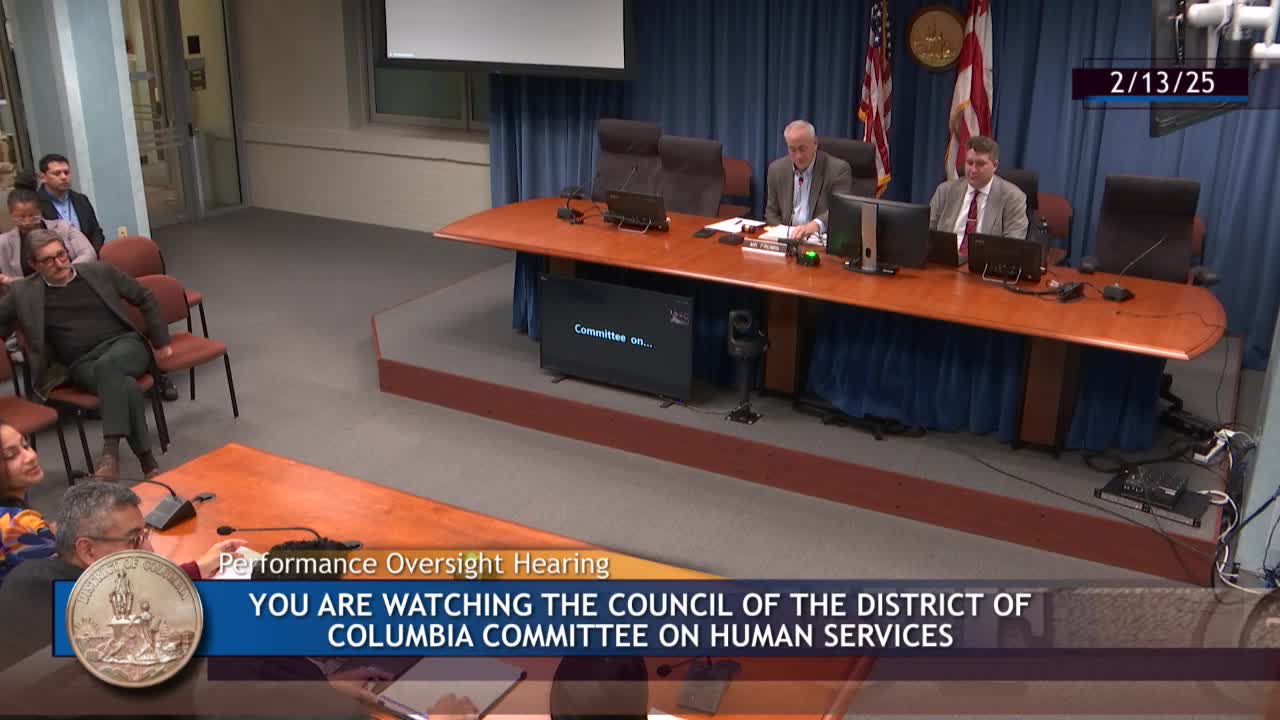
Advocates for Chinatown and long-term Asian American and Pacific Islander residents told the Committee of Human Service Feb. 13 that recent redevelopment and planning processes risk further displacing working-class residents and small businesses in the Gallery Place–Chinatown area.
Shani Shi, founder of the Save Chinatown Solidarity Network, told the committee the neighborhood’s remaining long-term residents are largely aging, low-income and limited-English proficient, and that the make-up of Chinatown has shifted dramatically since the MCI/Capital One Arena was built. “We have less than 15 Chinese/AAPI-owned storefronts, small businesses, and less than 300 Chinese American residents remaining,” Shi said in testimony. She criticized a city task force convened to guide Chinatown planning for lacking working-class resident representation and for having members tied to developers and law firms.
Shi and other witnesses asked MOAPIA and MOLA to pursue three specific changes: create official, sustained communication channels that work through trusted advocates who have long-term relationships with residents; increase funding for AAPI artists and creative-economy programs so the community can “have control and ownership over our creative and cultural life;” and expand small-business incubation and preservation services that are culturally and linguistically accessible. “Instead of monthly outreach…we believe MOAPIA should be able to establish official communication channels to work with advocates who have the closest and longest term relationships with residents,” Shi testified.
Other speakers reinforced the request for deeper engagement and concrete supports. Ted Gong of the 1882 Foundation described preservation and cultural programs including the Chinatown New Year parade and monthly storytelling events and urged continued city support. Salo Levinas, board chair for the Metro DC Hispanic Contractors Community Service, highlighted bilingual workforce training that helps small firms compete for district projects. Multiple witnesses asked that any revitalization effort include accessible pathways for small operators to occupy new commercial space and to participate in cultural programming.
Agency leaders said they are working with the mayor’s task force and other agencies to incorporate community input. Ben de Guzman of MOAPIA said the office helped the Gallery Place–Chinatown task force connect to longtime local organizations and resident-serving groups and that the newly launched Chinatown “safe commercial corridor hub” brings city agencies and services directly to the neighborhood. Eduardo Perdomo of MOLA said the office is participating in planning and emphasized the agency’s role as a community connector.
The committee did not take formal action but asked agency staff to provide materials that document community engagement efforts and upcoming events. Advocates said they will continue urging the city to make resident voices central to redevelopment plans and to expand funding that supports language-accessible business preservation and culture-led economic development.