Get email alerts on the Substitutes topic
No spam. Unsubscribe anytime.
After six months with ESS, Powhatan schools report improved substitute fill rates and reduced HR burden
Summary
The district said its ESS substitute contract has increased the substitute pool (about 102 substitutes on file, ~85 active), improved fill rates to roughly 91% on average, provided training and background checks, and shifted administrative processing burden off HR.
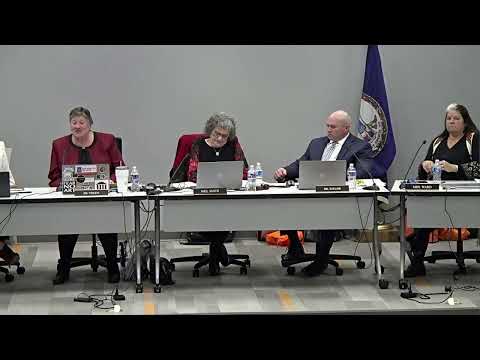
Powhatan County Public Schools staff reported on the district’s first six months under a substitute staffing contract with ESS. The contractor took over substitute recruitment, onboarding, training and payroll for substitutes starting in July; district staff said ESS has expanded the available pool and improved daily fill rates.
ESS retained about 48 of the district’s previous substitutes and recruited additional candidates; presenters said ESS maintains roughly 102 substitutes on its roster with about 85 active substitutes (defined as working at least four days a month). The district reported average monthly teacher/IA absentee needs around 40 substitute assignments per day; ESS’s fill rates averaged about 91% for the fall months presented (October–December), a marked improvement from a prior estimated 70–75% fill rate.
District presenters emphasized operational benefits ESS provides: a five-hour in-person substitute training requirement before placement, virtual and remedial training, fingerprinting and background checks handled by the contractor, and a substitute management software (Red Rover) paid by ESS. Staff said those contractor-provided services reduce HR processing time and administrative burden.
ESS’s model includes building-based "site subs" who can staff a particular school daily and long-term placements when needed; ESS also offers incentives, recognition and local recruiting efforts to improve coverage on difficult days. District staff acknowledged substitute costs increased in locations with prolonged long-term absences (surgery, FMLA), but said hiring several long-term substitutes into permanent positions offset long-term costs.
The board asked for continued monitoring and noted the advantages of the contractor handling background checks and onboarding. Staff said they will continue reporting fill-rate and cost data to the board.
AI generated
The text on this page is AI generated. Summaries, highlights, analysis, and video transcripts are all produced from the original source material.
AI can make mistakes, so if you spot one, and we will fix it for everyone.
Note: the source content is unaltered by us. Any content source we link to, be it a video, an audio recording, or a document, is presented exactly as its publisher released it. That publisher is usually a government body, sometimes an individual official or another organisation.