Get Full Government Meeting Transcripts, Videos, & Alerts Forever!
Get email alerts on the Procurement Emergency Hiring topic
No spam. Unsubscribe anytime.
Fiscal court approves bills list after debate over temporary Adecco hire and emergency contracting
Summary
Clark County Fiscal Court approved its bills list, including payment to staffing firm Adecco, after extended debate over whether a temporary hire during a January emergency required prior attorney review or competitive bids under county policy and state law.
The Clark County Fiscal Court voted to approve its bills list, including payment to staffing firm Adecco, after several magistrates pressed the court for a legal review of a six‑month Adecco agreement that followed a January emergency declaration.
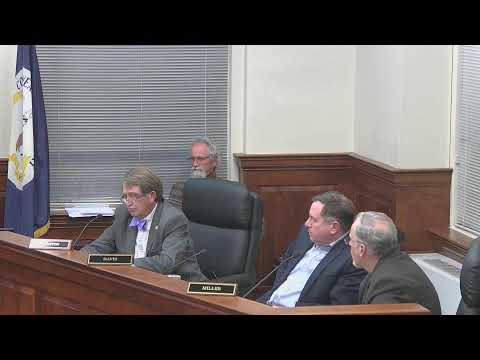
The vote came after a more than hour‑long discussion about whether the county judge executive had authority to hire temporary help under an emergency declaration and whether the Adecco agreement should have been reviewed by the county attorney before execution.
County Judge/Executive (Judge) said the hiring took place during a declared January emergency and cited county administrative code section 5.23 and Kentucky statute KRS 39B.070 to justify use of temporary employees without prior fiscal court approval. The judge asked the court to approve the Adecco bill now that the temporary employee had been used. “For these KRS stipulation and us being in that declaration of emergency, I would ask you to go ahead and approve this Adecco bill,” the judge said during debate.
Other magistrates questioned whether the contract should have been routed to the county attorney before the judge signed it. One member noted the agreement carried a six‑month term and a potential fiscal exposure of roughly $30,000, and argued that, at that dollar level, the court should have solicited bids or reviewed the contract as a formal county contract. A separate magistrate asked whether the contract had been signed after the emergency had passed: “The contract was signed on the tenth. The snow was melted by then,” the magistrate said, pressing the point that an emergency hire should not substitute for a contract executed without court review.
Manager Glenn called the question to end debate. After a roll‑call procedure the clerk administered, the court approved the bills list that included the Adecco charge. The clerk explained the roll‑call convention to the court before votes were recorded.
The discussion also covered the practical reasons the temporary hire was used: heavy snow and ice response required all available road crews and left no staff to answer phones at the road department, prompting the judge to contact a temp agency to place a worker at the department desk. County staff described attempts to reassign phone duties and other operational fixes (for example, obtaining a county cell phone for compost pickups), but said the immediate need during the storm made the temporary placement necessary.
Magistrates and the county attorney agreed to obtain a formal legal opinion and to present the contract and supporting documents at a future meeting so the court can resolve whether the process followed county procurement and contracting rules. Manager Glenn and several magistrates said they wanted clearer procedures for emergency hires and for county contracts generally to avoid similar disputes going forward.
Votes at a glance: the bills list (including the Adecco billing) was approved by the fiscal court after roll‑call; the clerk recorded the outcome at the meeting.
Ending: The court directed staff to bring the Adecco contract and related documentation to the next meeting and requested a written legal opinion from the county attorney clarifying the proper procurement steps during an emergency, and whether the findings affect payment obligations already incurred.