Get Full Government Meeting Transcripts, Videos, & Alerts Forever!
Get email alerts on the Early Learning topic
No spam. Unsubscribe anytime.
District outlines Head Start, VPI and pre‑K enrollment rules; proposes moving future Head Start seats to VPI
Summary
Chesterfield County Public Schools staff reviewed Head Start eligibility, coordinated enrollment (IRSEA), program counts and a proposal to shift future Head Start enrollments to VPI to expand flexibility and maintain current students' services.
School system staff reviewed Head Start and coordinated pre‑K enrollment rules and said the division will ask the board to shift future Head Start enrollments into the Virginia Preschool Initiative (VPI) beginning in the 2025–26 school year.
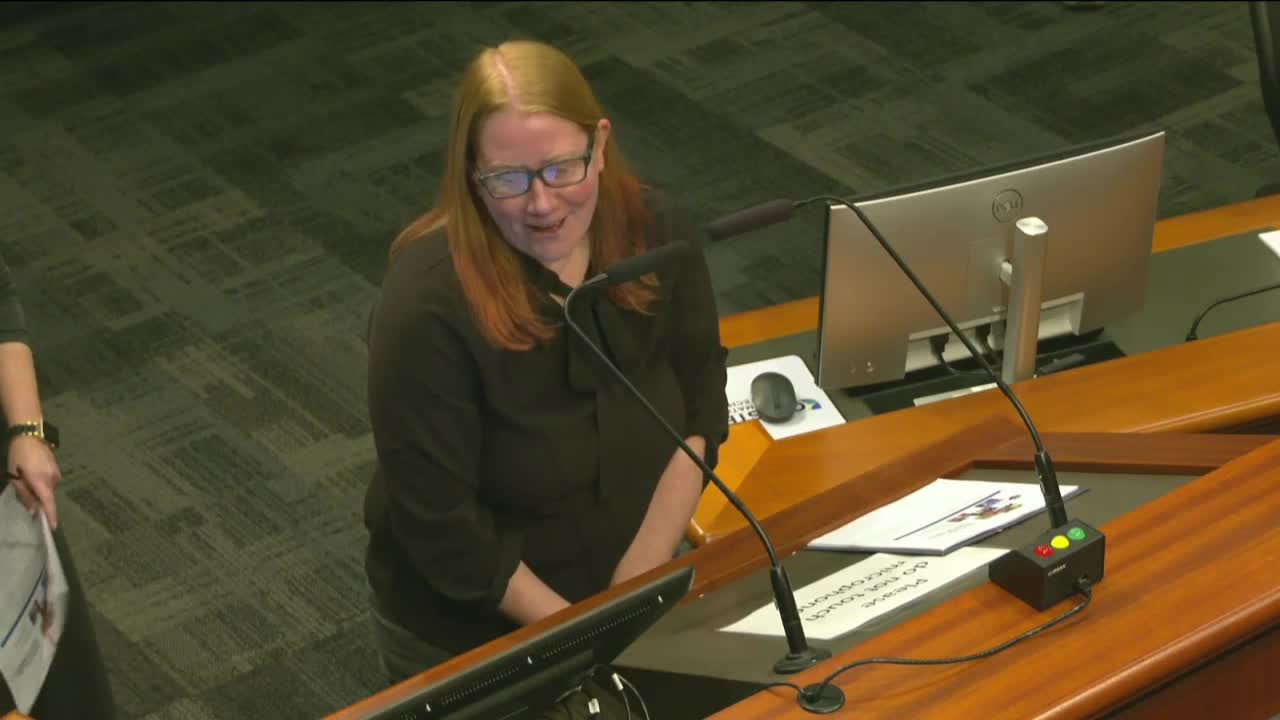
Miss Taylor, presenting pre‑K and Head Start information to the board on Feb. 4, said the division serves 736 pre‑K students countywide in 41 classrooms at 16 schools: 196 in Head Start, 432 in VPI and 108 in Title I pre‑K. The division also operates seven inclusion classrooms and opened five new inclusion sites for the current school year.
Taylor reviewed the division’s IRSEA process — eligibility, recruitment, selection, enrollment and attendance — and the program criteria. For Head Start, families must be at or below the federal poverty level (100% of FPL); an additional 35% of slots may be used for families with income up to 130% of FPL, and some children qualify categorically (homelessness, foster care, or receipt of TANF, SSI or SNAP). VPI eligibility is 200% of the federal poverty level or other local criteria; Title I pre‑K carries no income requirement but requires an identified need. Taylor said applications opened the day before the board meeting and that the division uses an online system called ChildPlus for documentation and eligibility tracking.
Taylor said Head Start and VPI are required to have at least 10% of seats for students with disabilities; the division has exceeded that minimum for two years. Staff also said assessments and program supports include the Creative Curriculum, social‑emotional curriculum (PAX), Heggerty and Zuphonics and assessment tools such as the Virginia Language and Literacy Screener (VALS), Early Mathematics Assessment System and child behavior rating instruments.
On future funding, Taylor and other presenters said the division will seek board approval to transition new Head Start seat funding to VPI for the 2025–26 school year, which they estimate would add at least 196 VPI seats and allow “more flexibility in our eligibility process.” Presenters said there would be no changes to current students, matriculation into kindergarten would continue as planned, and current staffing levels would be maintained. The proposal would maintain services for students with the greatest needs and rely on VPI and Title I funding streams going forward.
Board members asked several clarifying questions: how Head Start seats are prioritized (Head Start seats are filled first by federal requirement), how categorical eligibility and interview questions are used in selection, and what wraparound referrals occur when families identify needs. Taylor said staff refer families for supports and that the division conducts developmental, vision and hearing screenings prior to classroom entry.
The presentation was informational; staff said they will seek formal approval for the funding shift to VPI at a future meeting.