
Henrico Cares reports early uptake: Care Solace and Hazel Health connect students and families to mental health services
Get AI-powered insights, summaries, and transcripts
Sign Up Free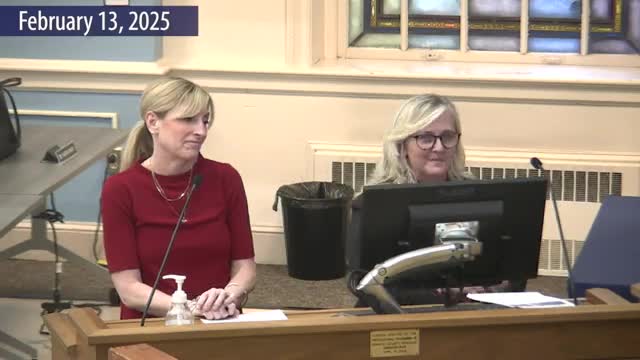
Summary
District officials reported early results from Henrico Cares, a joint HCPS–county initiative to expand youth mental health care. Presenters said Care Solace made 279 confirmed appointments with average wait time of two to three weeks, and Hazel Health teletherapy enrolled dozens of students in weekly sessions.
Henrico County Public Schools officials on Feb. 13 presented a one‑year overview of Henrico Cares, the district’s joint initiative with Henrico County to expand coordinated, school‑based and community mental health supports for students and families.
Leslie Hughes, chief learning officer, introduced the update and turned the presentation to Liz Parker, director of student support and wellness, who laid out early outcomes for the initiative. “Henrico Cares leverages strategic partnerships to bring together all strategies, recommendations, and best practices…into one single comprehensive action plan,” Parker said.
Presentation materials and Parker’s remarks said Henrico Cares is implemented in phases and is planned to be fully funded after five years with an estimated total investment of $17,800,000. The initiative emphasizes three cornerstones: access, coordination and navigation of services across schools, county agencies and community providers.
Two new services launched in the past five months: Care Solace, a 24/7 care‑coordination service that helps match people with providers and secure appointments; and Hazel Health, a national teletherapy service offering weekly virtual therapy for students in grades 9–12. Parker said Care Solace connected 279 HCPS‑affiliated individuals (students, staff and family members) to confirmed appointments, with an average wait time of 2–3 weeks and a 45% appointment‑into‑care rate compared with a cited national average of 18%. Care Solace’s curated “Care Match” search tool logged 494 searches.
Hazel Health data in the presentation showed 54 individual students had participated in a total of 138 weekly teletherapy sessions at the time the presentation materials were prepared; an additional 52 students were scheduled. Presenters noted those counts increased slightly between publication and the meeting. Parker said Hazel Health had successfully engaged roughly 73% of referrals, with 77% of parents/guardians opting in and 80% of students being scheduled for an initial appointment once their guardian consented. Top reasons for seeking services included anxiety, depression, trauma, ADHD and disruptive behavior.
Henrico Cares also funds additional staff and partnerships: the initiative added five tiered intervention school counselor (TISC) positions this year (each TISC serves directly in high schools and focuses on trauma‑informed, evidence‑based interventions). The superintendent’s recommended FY26 financial plan includes five more counseling positions. Parker said the district has colocated mental‑health teams (a licensed provider, a case manager and clinical supervisor) on two school campuses (the Academy at Virginia Randolph and Fairfield Middle School) with plans to colocate at least one new team annually.
Parker also summarized training and capacity work: 23 new nationally certified youth mental health first‑aid instructors, 11 new ACE interface trainers, and 14 new teen mental health first‑aid instructors; expansion of Active Minds student clubs to 386 active high‑school members with 58 new student leaders; and a clinical‑supervision pipeline that supports HCPS counselors and social workers pursuing licensure at no cost while they remain in school roles.
Board members praised the work and asked operational questions: Mr. Irving asked how Care Solace confirms appointments and whether wait times could be shortened; Parker said Care Solace confirms attendance and can troubleshoot unsuccessful referrals and that average waits had fallen from months to about 2–3 weeks. Board members also asked about outreach and stigma reduction; Parker cited Active Minds, youth mental health first‑aid trainings and partnerships with faith‑based and community organizations.
No formal board action was taken at the Feb. 13 meeting. Presenters said continued board support and operating‑budget funding will be important to sustain and expand Henrico Cares.