Get Full Government Meeting Transcripts, Videos, & Alerts Forever!
Minority and transgender veterans tell Congress they face eroding trust and access to care
Summary
Minority Veterans of America and other witnesses warned that recent administrative moves and executive orders are eroding access and trust for veterans from marginalized groups, with transgender veterans reporting records‑level uncertainty about care and instances of removal of gender markers from records.
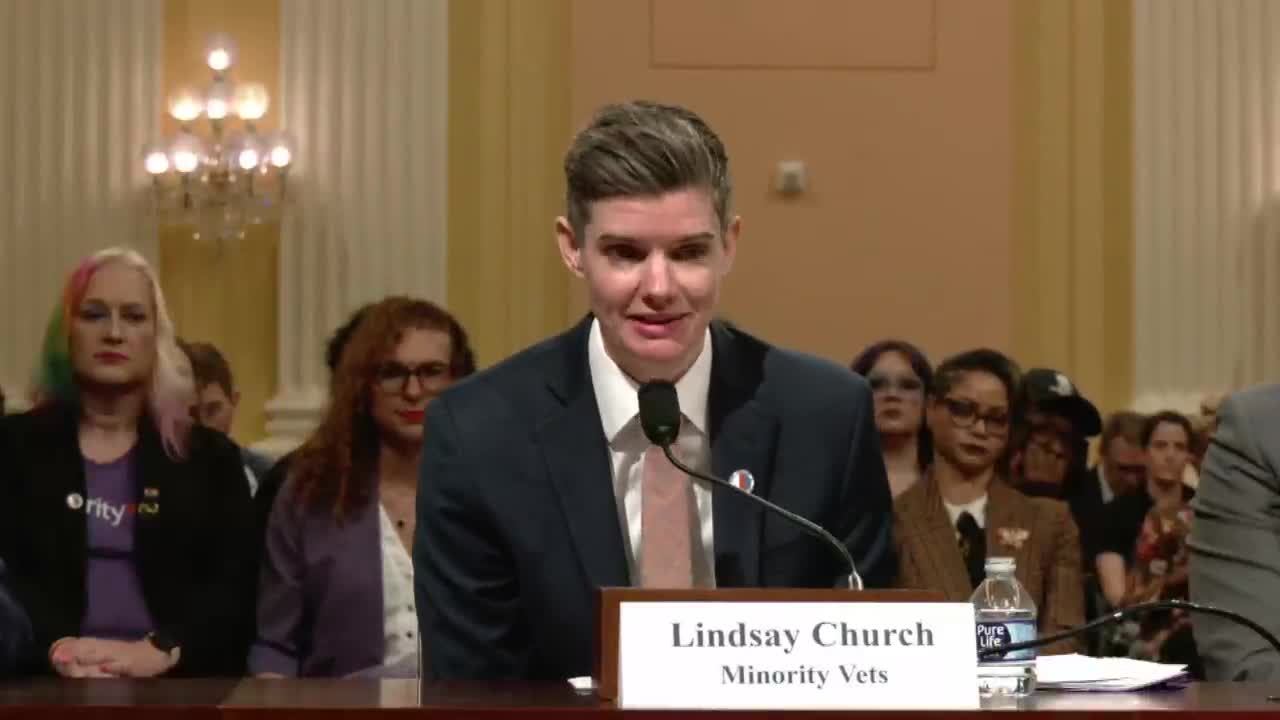
Speakers from Minority Veterans of America and other advocacy groups said at a joint House–Senate hearing that veterans from historically underserved groups face special and immediate risks from policy and administrative changes at the Department of Veterans Affairs.
"Our community is under attack," Lindsay Church, executive director of Minority Veterans of America, said in opening remarks. Church described the removal of gender markers from some records and recounted…
Already have an account? Log in
Subscribe to keep reading
Unlock the rest of this article — and every article on Citizen Portal.
- Unlimited articles
- AI-powered breakdowns of topics, speakers, decisions, and budgets
- Instant alerts when your location has a new meeting
- Follow topics and more locations
- 1,000 AI Insights / month, plus AI Chat