Lifetime Citizen Portal Access — AI Briefings, Alerts & Unlimited Follows
Senate Aging Committee hears testimony on surge in opioid deaths among older Americans; witnesses press for treatment, naloxone access and support for grand‑car
Loading...
Summary
Witnesses told the Senate Special Committee on Aging that synthetic opioids are producing rising overdose deaths among older adults, burdening grandparents who become primary caregivers and exposing gaps in treatment, Medicaid/Medicare coverage and law‑enforcement responses.
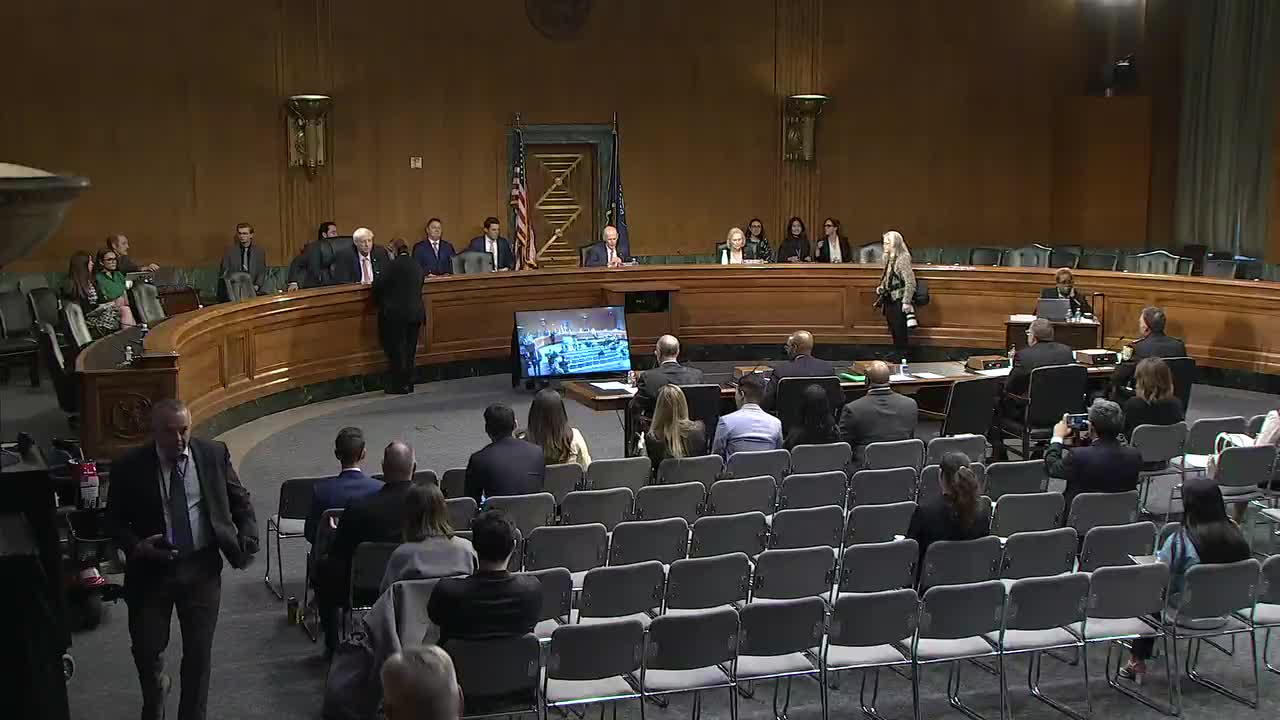
WASHINGTON — The Senate Special Committee on Aging convened a hearing on the nation’s opioid crisis focused on older Americans, where witnesses described rising overdose deaths in people 55 and older, growing numbers of grandparents who are raising grandchildren because of parental addiction, and persistent barriers to evidence‑based treatment and data sharing.
Committee Chairman Tim Scott opened the hearing by warning that “we have lost hundreds of thousands of Americans’ lives to drug overdoses” and that in 2023 “more than 29,000 Americans aged 55 and older died from an opioid overdose,” a figure he said amounts to “80 seniors dying from opioid overdoses every single day.” The chairman and other senators pressed witnesses on responses ranging from law enforcement and border interdiction to expanding naloxone access and strengthening Medicaid and Medicare coverage for addiction services.
Why it matters: testimony at the hearing underscored that the opioid epidemic now touches older adults in distinct ways — complicating chronic‑disease management, increasing the responsibilities for elder caregivers and driving demand for treatment services that many communities cannot currently provide. Lawmakers from both parties framed the problem as requiring simultaneous supply‑side enforcement and expanded, affordable treatment.
Sheriff Dennis Lemma of Seminole County, Fla., described a local strategy that combined enforcement and prevention and reported a 29 percent reduction in overdoses and a 42 percent reduction in fatalities in his county in 2024. “We must ensure that those who distribute fentanyl and other illicit substances … are held fully responsible,” Lemma said, urging tougher penalties for drug dealers and continued focus on cartel interdiction.
Physicians and treatment advocates at the hearing framed the shortage of treatment capacity and clinician workforce as a central barrier. Dr. Malaik Burnett, an addiction medicine physician and vice chair of the American Society of Addiction Medicine (ASAM) public policy committee, said evidence‑based addiction treatment cuts overdose risk dramatically: “evidence based addiction treatment works and reduces the risk of overdose death by 80 percent.” Burnett recommended expanding training programs for addiction specialists, easing federal restrictions on methadone delivery, and strengthening Medicaid and Medicare coverage for the full continuum of addiction care.
RAND researcher Dr. Bradley Stein told senators that opioid use disorder among Medicare beneficiaries has risen sharply and that older adults present particular clinical challenges because of co‑occurring conditions such as dementia and chronic pain. Stein urged Congress to expand access to non‑opioid pain management services — including physical therapy and acupuncture — and to support primary‑care clinicians in delivering medication treatment for opioid use disorder.
Several witnesses and senators highlighted the role of grandparents and “grandfamilies.” Elizabeth Mateer, a grandmother who testified about raising her grandson after his parents’ opioid use disorder, described legal and financial hardships: emergency custody battles, more than $85,000 in legal fees, and losing employer‑based income while serving as the child’s primary caregiver. “Grandparents and other relatives who step forward to keep children out of foster care and safely with family save taxpayers more than $4,000,000,000 a year,” Mateer said, and she urged directing opioid‑settlement funds to kinship supports, peer networks and health‑coverage options for grandchildren in a grandparent’s care.
Witnesses also urged better data sharing and surveillance. Committee members and witnesses discussed federal programs that map overdoses and law‑enforcement efforts, and Sheriff Lemma urged permanent federal scheduling of the animal tranquilizer xylazine, now often mixed with fentanyl and resistant to opioid antagonists.
Where witnesses diverged: law‑enforcement witnesses emphasized aggressive prosecution of traffickers and border controls to limit precursor chemicals, while clinicians urged removal of administrative barriers to Medicaid and Medicare access and more federal investment in the addiction‑treatment workforce. Several senators warned that proposed large federal cuts to Medicaid could undermine access to treatment; Dr. Burnett and others testified that roughly four‑fifths of patients in some clinics rely on Medicaid for addiction care.
The hearing closed with senators and witnesses pressing for combined strategies — stronger interdiction and prosecution of trafficking networks, broader naloxone distribution, expanded treatment capacity and targeted support for older caregivers — and with repeated calls for better outcome data to track what works.
The committee did not take any formal votes at the hearing.